

A new agreement with the OPEC Fund for International Development could provide Bhutanese private businesses with access to an additional source of international financing, which allows the Fund to provide loans and guarantees and acquire shares in companies established in the country.
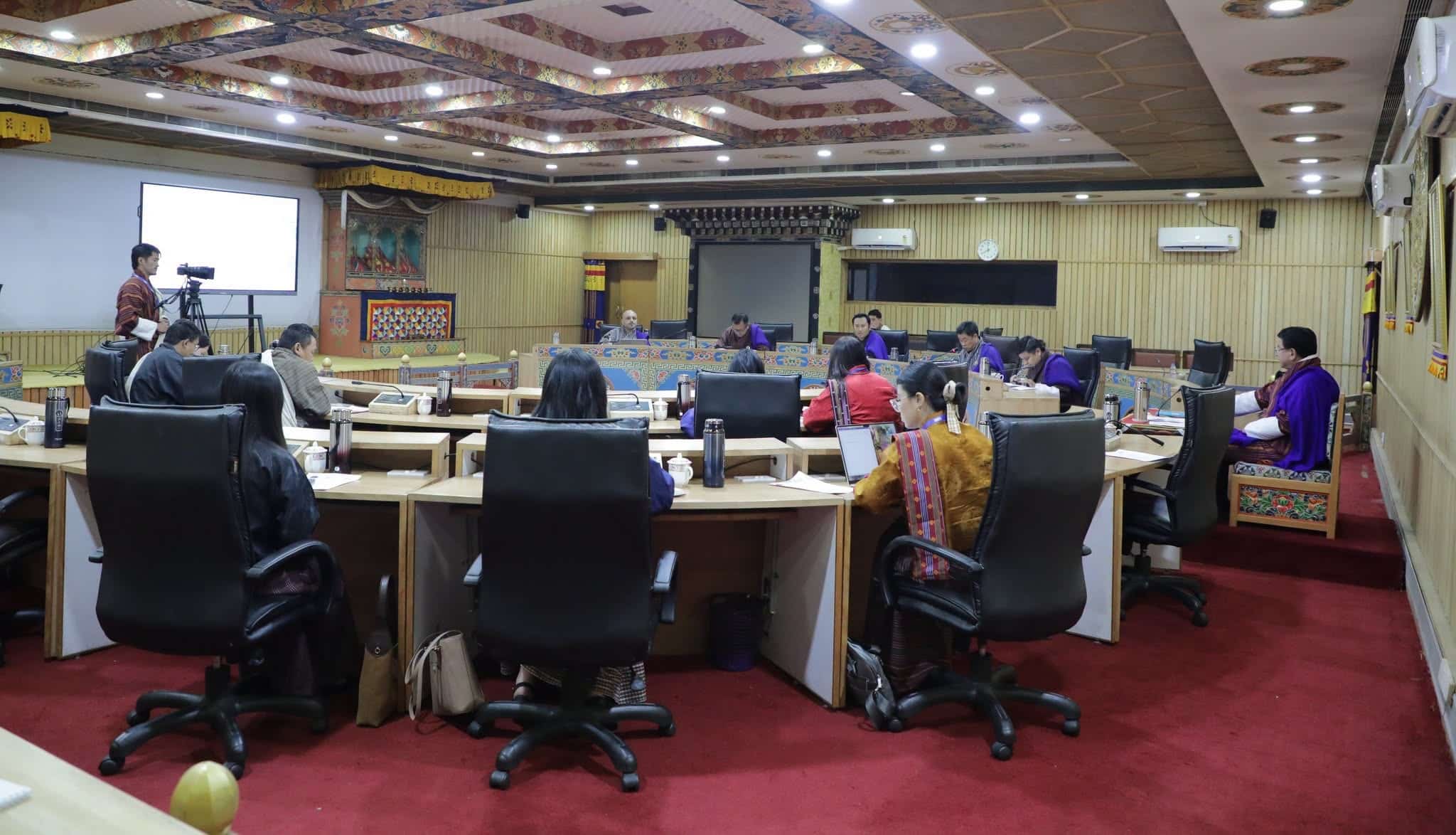
The agreement gives the Fund a framework to operate in Bhutan’s private sector, including provisions that allow it to convert and transfer funds across borders and protect its investments. However, these arrangements have raised questions in the National Assembly (NA) about foreign currency reserves, taxation, investment security and the settlement of disputes.
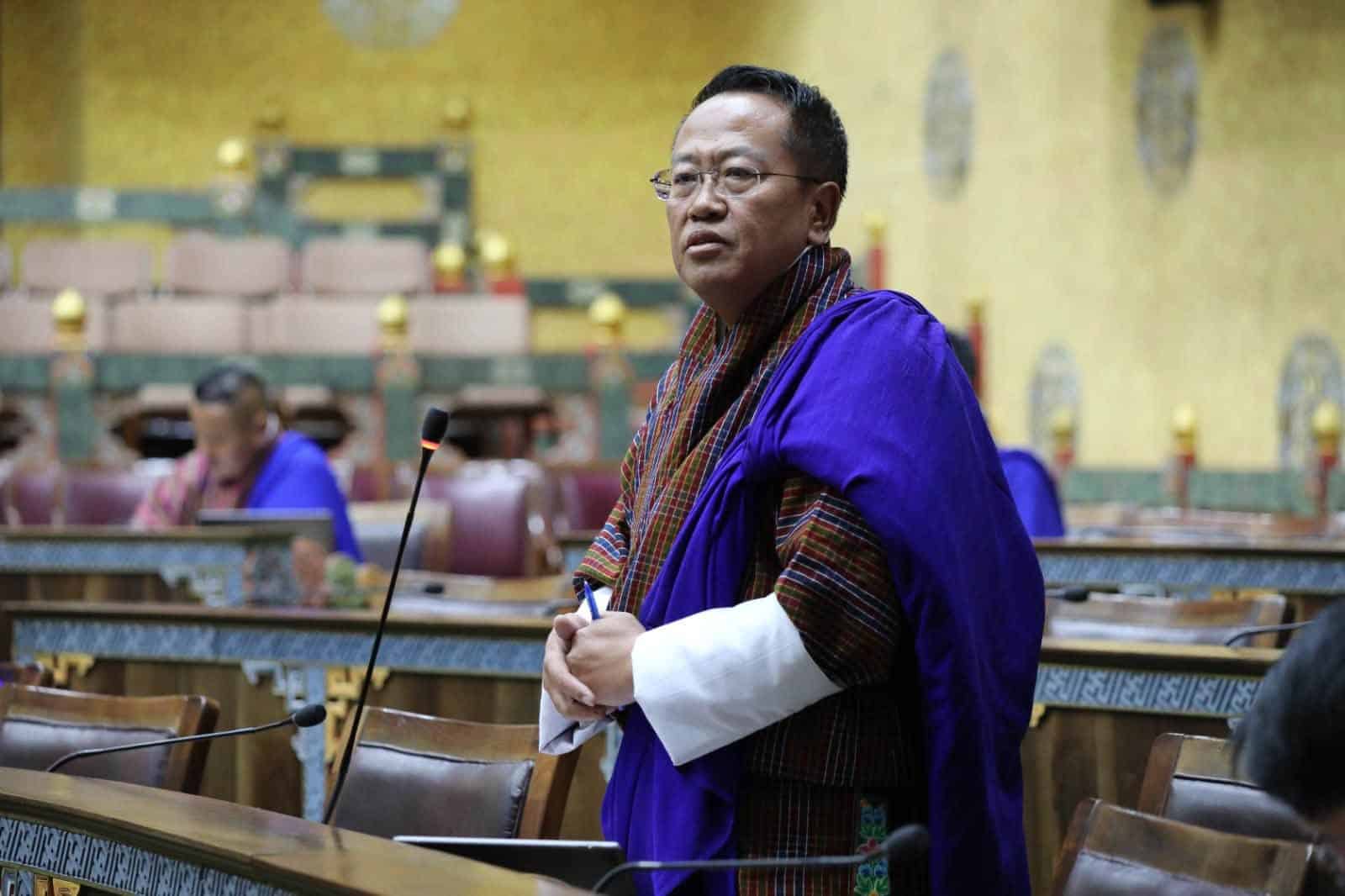
Loday Tsheten, Gangzur-Minjey MP, asked whether security matters had been taken into consideration under the agreement, what would happen if Bhutan could not maintain sufficient foreign currency reserves, and whether disputes could be resolved in the host country.
Responding to concerns on taxation, Finance Minister Lekey Dorji said revenue generated in Bhutan would be dealt with according to the country’s taxation rules, while taxes related to the Fund’s operations would be exempted.
Asked whether Bhutan’s position as a small country would put it at advantage under the agreement, the Minister said the country was being treated in accordance with the international framework and that some provisions were non-negotiable.
On security, the Minister said there was no concern, as social, political and environmental matters were taken care of in the framework. He also said the arbitration provision was aligned with the standards of New York, which provides for the recognition and enforcement of foreign arbitrary awards.
The agreement gives the OPEC Fund several ways to participate in Bhutan’s private sector. Under Article II, the Fund can provide loans and guarantees for investment projects, acquire shares in companies established in Bhutan and borrow funds in accordance with the country’s laws and regulations. “It can also hold, use and dispose of funds and operate accounts in any currency,” according to the agreement.
This means the Fund can participate in businesses not only by lending money but also by taking an ownership stake in companies. The Fund will assess proposed projects and decide whether to finance them, including determining the terms and conditions of financing.
The Government, however, will have an opportunity to review proposed projects. The agreement requires the Fund to submit a written project proposal to the Ministry of Finance before each financing. The Government can object to a proposal, and the Fund cannot proceed with financing if an objection is raised.
Tax exemptions are another provision of the agreement. Article III exempts interest and other payments due to the Fund, as well as its assets and revenues connected with activities under the agreement. The exemptions do not extend to personal income tax or other personal tax obligations of Bhutanese citizens or residents employed by the Fund.
Foreign currency arrangements are also central to the framework. Under Article IV, Bhutan must make it possible for beneficiaries to convert the amounts needed to meet their payment obligations to the Fund from ngultrum into any fully convertible currency, at the prevailing market exchange rate determined by the Royal Monetary Authority.
The country must also ensure that the converted amounts can be transferred outside Bhutan freely, immediately and effectively. The Fund is likewise allowed to convert payments received in ngultrum into fully convertible currencies and transfer them abroad or use them within the country.
On investment protection, Article V requires Bhutan, within its powers and authority, to treat projects and contracts financed by the Fund on a non-discriminatory basis, no less favourably than comparable projects financed or guaranteed by other international financial institutions.
It also requires the country to provide full and constant protection and security against expropriation and strife, insofar as necessary to preserve a project’s capacity to generate income to service its debt.
Rinchen Wangdi, Bartsham-Shongphu MP, raised another concern about the risks to the Government if a private company receiving a loan from the OPEC Fund failed to repay it.
The agreement also sets out the procedure for resolving disputes. Under Article X, Bhutan and the Fund must first seek an amicable settlement. If they fail to reach an agreement within 60 days of notification, the dispute will be referred to binding arbitration under the Permanent Court of Arbitration Rules for Voluntary Arbitration between International Organisations and States.
The seat of arbitration will be The Hague, Netherlands, with three arbitrators and English as the language of proceedings.
Article VIII also separately addresses disputes involving the Fund, beneficiaries or third parties. It provides for the recognition and enforcement in Bhutan of final decisions by competent courts or arbitration tribunals, subject to applicable international treaties and Bhutanese rules and procedures.
Signed on June 24, 2026, by Finance Minister Lekey Dorji and OPEC Fund President Dr Abdulhamid Alkhalifa, the agreement establishes the legal framework for the Fund’s private-sector operations in Bhutan.
It does not specify a financing amount or identify particular companies, projects or sectors that will receive funding. Individual proposals and their financing terms will be assessed separately.
The agreement will enter into force after the OPEC Fund receives a certified copy of Bhutan’s instrument of ratification or another mutually agreed instrument, along with an acceptable legal opinion confirming its legal force.
Nidup Lhamo, Thimphu