

There are moments when a nation must stop, look at itself and ask some deeply uncomfortable questions. The death of a 12-year-old girl, reportedly found sexually assaulted and buried, is one such moment. It is a tragedy that should shake every home, every institution and every conscience in Bhutan.
While investigations are ongoing and the full circumstances of her death remain to be established, the horror of what has been reported is enough to confront us with an unsettling truth: something is terribly wrong. We cannot look away. We cannot explain it away. And we cannot allow it to become just another incident that briefly captures public attention before disappearing from our collective memory.
We pride ourselves on being a small society. It is one of our greatest strengths. We know one another. We know our neighbours, our communities and the people around us. We grow up believing that someone is always watching over us, that a child is never entirely alone, that the bonds of community provide a natural shield against the dangers that threaten larger, more anonymous societies.
But what does that strength mean if a child can suffer such unimaginable violence? What does our closeness mean if we cannot protect the most vulnerable among us?
We have laws. We have institutions. We have child protection mechanisms, awareness programmes and preventive measures. Despite all these efforts, the death of a child under such horrifying circumstances forces us to question whether what we have in place is enough. Laws on paper cannot protect a child if the systems designed to enforce them fail. Awareness campaigns cannot substitute for vigilance. And promises of protection mean little if they do not translate into safety in our homes, schools and communities.
The question is not simply who committed this crime. That is for the investigation to establish. The larger question is what we, as a society, must do to ensure that no child is left exposed to such danger again.
The responsibility begins with families and communities, but it cannot end there. Schools, local governments, police, social services and every institution entrusted with children’s welfare must examine their responsibilities. We need stronger prevention, early identification of risks, accessible reporting mechanisms, professional support for vulnerable children and swift, coordinated responses to suspected abuse.
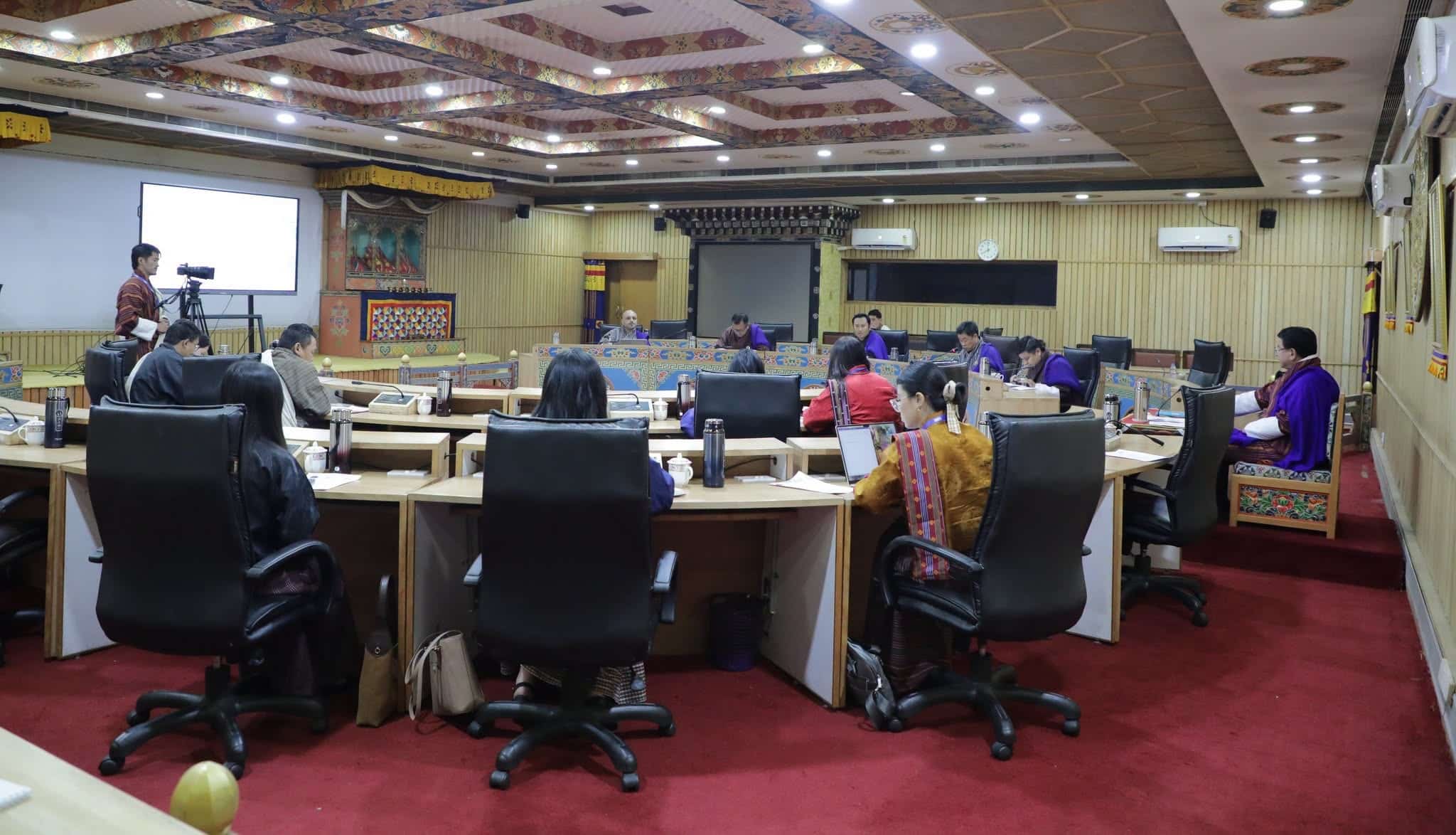
The timing makes this an especially important national question. Parliament is in session. Our lawmakers have an opportunity and a responsibility to examine whether existing laws, institutions and enforcement mechanisms are adequate. This is not the time for routine assurances or expressions of sympathy alone. It is the time for serious scrutiny, concrete action and measurable commitments.
Bhutan is embarking on an ambitious journey of national transformation. We speak of development, prosperity, a new future and the promise of a better society. But no development is meaningful if children cannot live safely. No economic achievement can compensate for a society that fails to protect its youngest and most vulnerable citizens. The measure of a nation is not merely the wealth it creates or the infrastructure it builds, but how it treats and protects those who cannot protect themselves.
We must turn our smallness into our greatest advantage. We must make our communities safer, our institutions more accountable and our protection systems more effective. We must ensure that every child is seen, heard, protected and valued.
A 12-year-old girl has lost her life. Nothing we do can bring her back. But we can decide what her death will mean for the country.
We can allow it to become another tragedy remembered for a few days. Or we can make it the moment Bhutan resolves to confront the failures that put its children at risk.
The choice is ours. And the time to act is now.