

The National Assembly (NA) is expected to deliberate on the Tobacco Control (Amendment) Bill of Bhutan 2026 during its winter session, as a sharp rise in cigarette and vape imports intensifies concerns over the growing availability of nicotine products, particularly among young people.
The proposed amendment seeks to modernise the Tobacco Control Act of 2010, which was amended in subsequent years but has struggled to keep pace with emerging products such as electronic cigarettes, vapes and electronic nicotine delivery systems (ENDS).
The National Council passed the Bill on June 16, 2026, with 21 votes in favour, one against and one abstention. It will now be considered by the NA.
The urgency is underscored by import figures presented by the National Council’s Social and Cultural Affairs Committee. Cigarette imports rose from approximately 107.4 million sticks in 2023 to more than 204.2 million in 2025. Imports of e-cigarettes and vaping devices surged from 25,533 units to 448,086 during the same period, an increase of more than 17 times.
The figures expose how rapidly the market for nicotine products is expanding, while regulation and enforcement struggle to catch up.
One of the most significant recommendations is a permanent prohibition on the import of e-cigarettes and vapes.
The NC’s Social and Cultural Affairs Committee proposed inserting a new provision into the amendment to prohibit their import. Committee chairperson Phub Dorji said the recommendation was driven by growing concerns about the appeal of these products among children and young people.
The committee also cited the World Health Organization’s Framework Convention on Tobacco Control, stating that 37 countries have banned e-cigarettes and vapes. It raised concerns about potentially harmful substances, including lead, reported in some vape products.
However, the National Health Survey 2023 figures require careful interpretation. The survey found that 31.4 percent of respondents used tobacco in some form, while 2.5 percent of the population reported using e-cigarettes. Among current tobacco smokers, 17.7 percent used vapes or e-cigarettes, with the highest prevalence among those aged 15–24 at 20.2 percent. These figures should not be presented as 31.4 percent of young people vaping.
The proposed amendment seeks clearer legal definitions for emerging nicotine products, stronger controls over their importation, sale and distribution, and tighter protection against access by minors.
A key recommendation is to classify the importation of prohibited products as a fourth-degree felony. Under the Penal Code, this carries imprisonment of at least three years but less than five years, in addition to applicable fines.
The proposed provisions also seek to restrict sales to persons under 18, curb tobacco promotions and strengthen enforcement against prohibited products. The permanent ban, however, is not yet law. It remains a recommendation that lawmakers will have to consider alongside the wider provisions of the amendment.
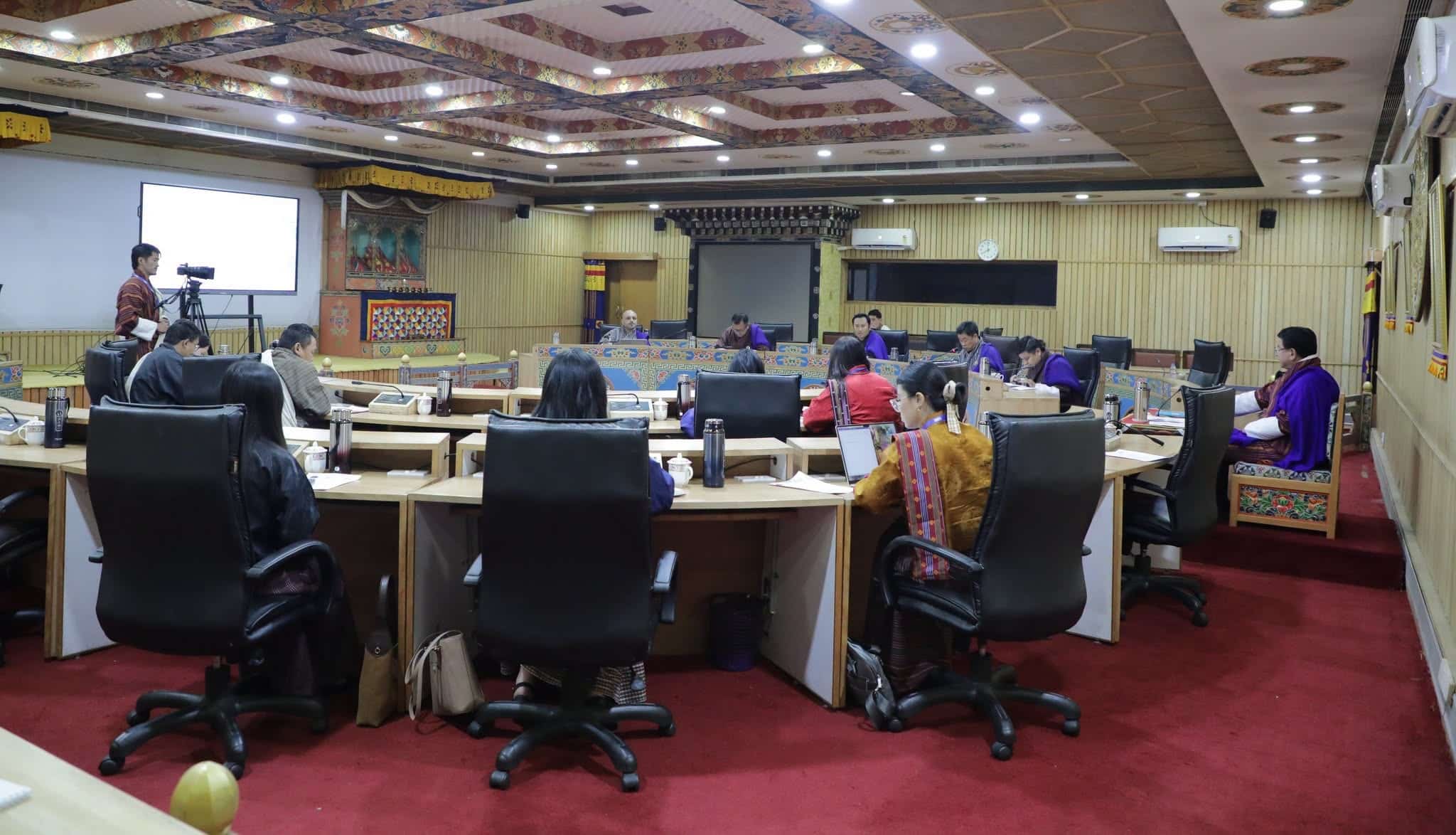
On October 16, 2026, the NA’s Social and Cultural Committee consulted officials from the Bhutan Food and Drug Authority (BFDA) on technical aspects of the proposed legislation.
The discussions focused on improving legal clarity, strengthening regulatory oversight and ensuring that penalties are effective and proportionate. The consultation also highlighted the importance of engaging relevant stakeholders and conducting regional consultations to develop an enforceable framework.
The broader challenge is not limited to introducing tougher penalties. Bhutan’s experience has exposed weaknesses in monitoring, inter-agency coordination and enforcement. The National Assembly’s committee has also raised concerns about inadequate monitoring of public smoking and uncertainty over the responsibilities of implementing agencies.
As the Bill reaches the NA, lawmakers must weigh public health priorities against practical questions of enforcement, legitimate businesses and the treatment of products already imported under existing rules.
Meanwhile, the sharp rise in vape imports makes legislative action increasingly urgent, along with dedicated border controls and market surveillance.
Sangay Rabten, Thimphu