

The government has extended interest payment relief to 184 hotels across the country, but whether the intervention is enough to restore the financial health of Bhutan’s struggling hospitality sector remains an important question.
For many small and medium-sized hotels, the challenge is no longer simply recovering from Covid-19 but surviving an increasingly difficult business environment characterised by low occupancy, rising operational costs, loan repayments and uncertain tourist demand.
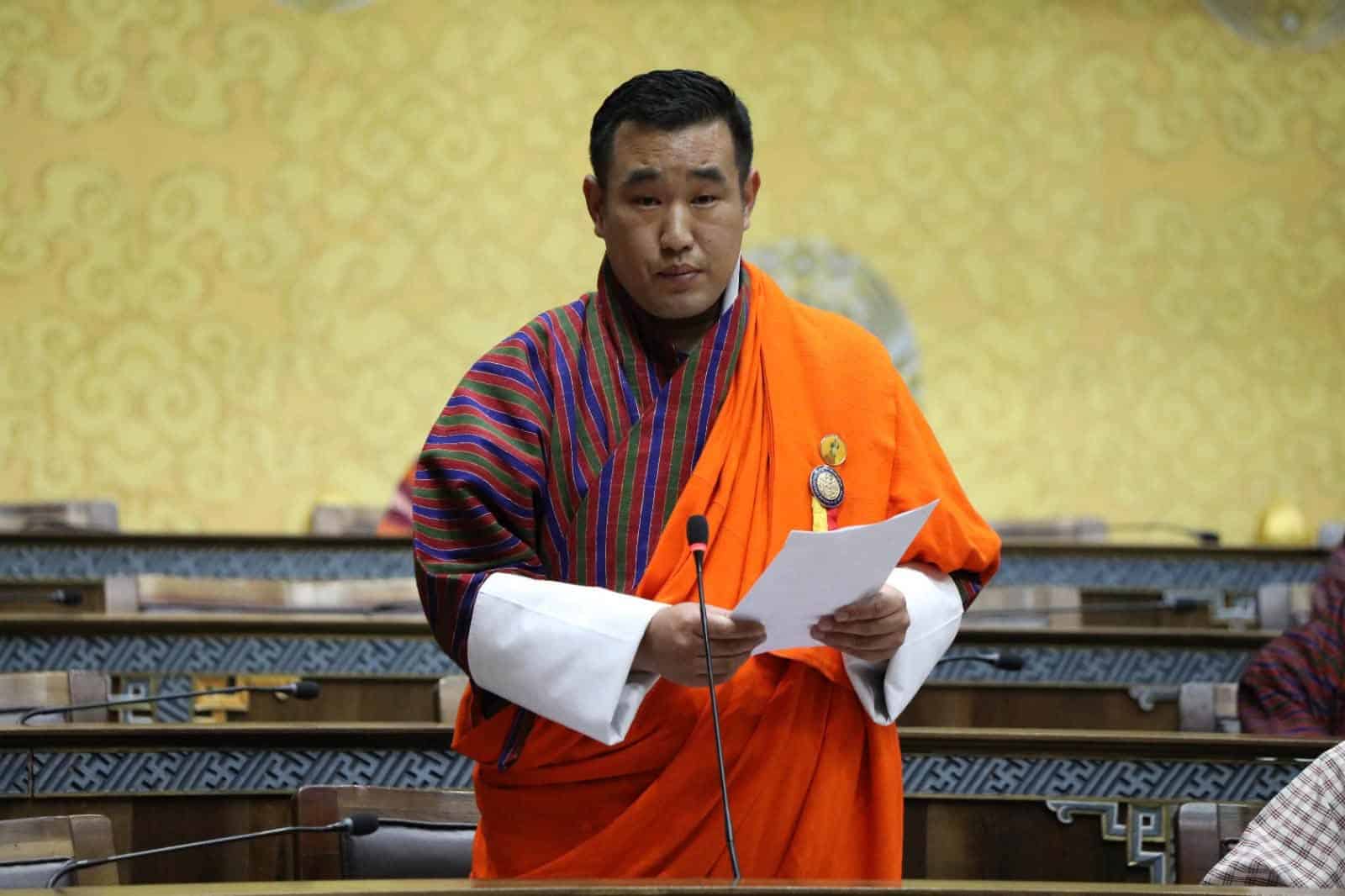
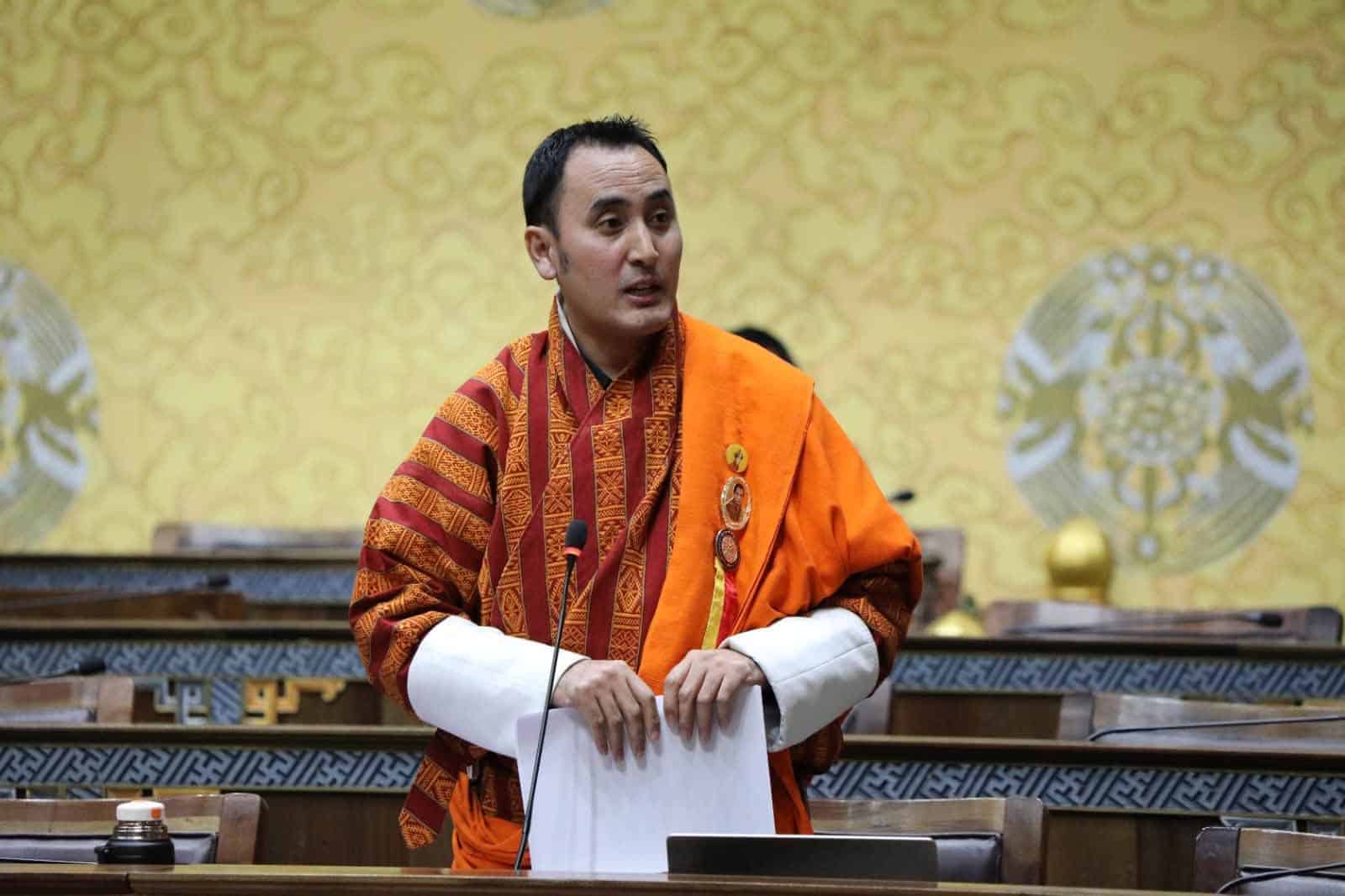
During the question-and-answer session of the first sitting of the Sixth Session of the Fourth Parliament, Minister of Industry, Commerce and Employment Lyonpo Namgyal Dorji said the government was covering four percent of interest on eligible hotel loans, while participating banks contributed one percent, providing total interest relief of five percent. The minister was responding to questions from Namgay Dorji, Member of Parliament (MP) from Khamdang-Ramjar, who sought clarification on support for small and medium-sized hotels, particularly establishments rated three stars and below.
According to the minister, the 184 beneficiaries comprise 14 hotels below the four-star category, 114 three-star hotels, 44 two-star hotels and 12 one-star hotels. The assistance is calculated based on the respective loan amounts. However, the number of beneficiaries alone does not establish whether the support is sufficient or whether the hotels have returned to financially sustainable operations. The minister acknowledged that limited government resources prevented similar assistance from being extended to five-star establishments.
The discussion also raised questions about consistency in government financing interventions. Rinchen Wangdi, MP from Bartsham-Shongphu, questioned the difference between the interest rates under the Economic Stimulus Programme (ESP) and the hotel support scheme. He sought clarification on the loans covered, noting that the ESP interest rate was four percent while hotels received five percent interest relief.
Beyond interest subsidies, the government has introduced several measures to stimulate tourism demand. These include easing regulations to allow hotels to bring in their own guests, previously a restricted practice, and permitting certified hotels and homestays to accommodate tourists. The government has also introduced festivals across the country, promoted Meetings, Incentives, Conferences and Exhibitions (MICE) tourism, and provided social media marketing support to improve the visibility of hotels.
However, promotional activities and regulatory flexibility cannot guarantee occupancy or profitability. Hotels need a consistent flow of visitors who stay longer and spend enough to cover operating expenses and debt obligations.
Employment assistance has also formed part of the recovery measures. Through the Youth Employment and Livelihood Programme (YELP), 194 hotels have benefited since 2024, with more than 1,500 young people currently employed, according to the minister. The government has also facilitated foreign worker recruitment, including cooks and other hospitality professionals, to address labour shortages.
However, the fundamental question remains whether hotels generate sufficient revenue to sustain employment and meet financial commitments without continued government assistance.
On tourism policy, the minister said the government had extended the USD 100 daily Sustainable Development Fee (SDF) arrangement until December 2029, beyond its previously scheduled expiry in July next year. The government has also expanded the 24-hour SDF waiver for tourists entering through designated border areas. Previously limited to Indian tourists, the waiver now covers all tourists.
Lhendup Wangdi, MP from Bji-Katsho-Uesu, sought clarification on the implementation of the waiver and its potential benefits for hotels and restaurants in border communities. The minister said the expanded arrangement would create opportunities for businesses near border gates, with further measures being considered.
However, increased border movement does not automatically translate into business revenue. Its effectiveness will depend on tourists’ ability to access facilities and whether local establishments can convert the additional movement into actual customers and longer stays. More broadly, maintaining the USD 100 SDF provides policy certainty, but the sector’s recovery also depends on the competitiveness of Bhutan’s tourism experience, travel costs and the ability of businesses to attract visitors.
The government’s interventions demonstrate recognition of the industry’s financial difficulties. However, a list of support programmes should not be mistaken for evidence of recovery.
There is a need to establish how many hotels remain financially distressed, the volume of outstanding loans, occupancy levels and whether interest subsidies have prevented closures or improved business viability. Without such assessments, it is difficult to determine whether public assistance is reaching those most in need and producing lasting results.
The minister maintained that recovery also depended on the efforts of business operators. “The most important thing is those doing the business,” he said.
Sherab Dorji, Thimphu