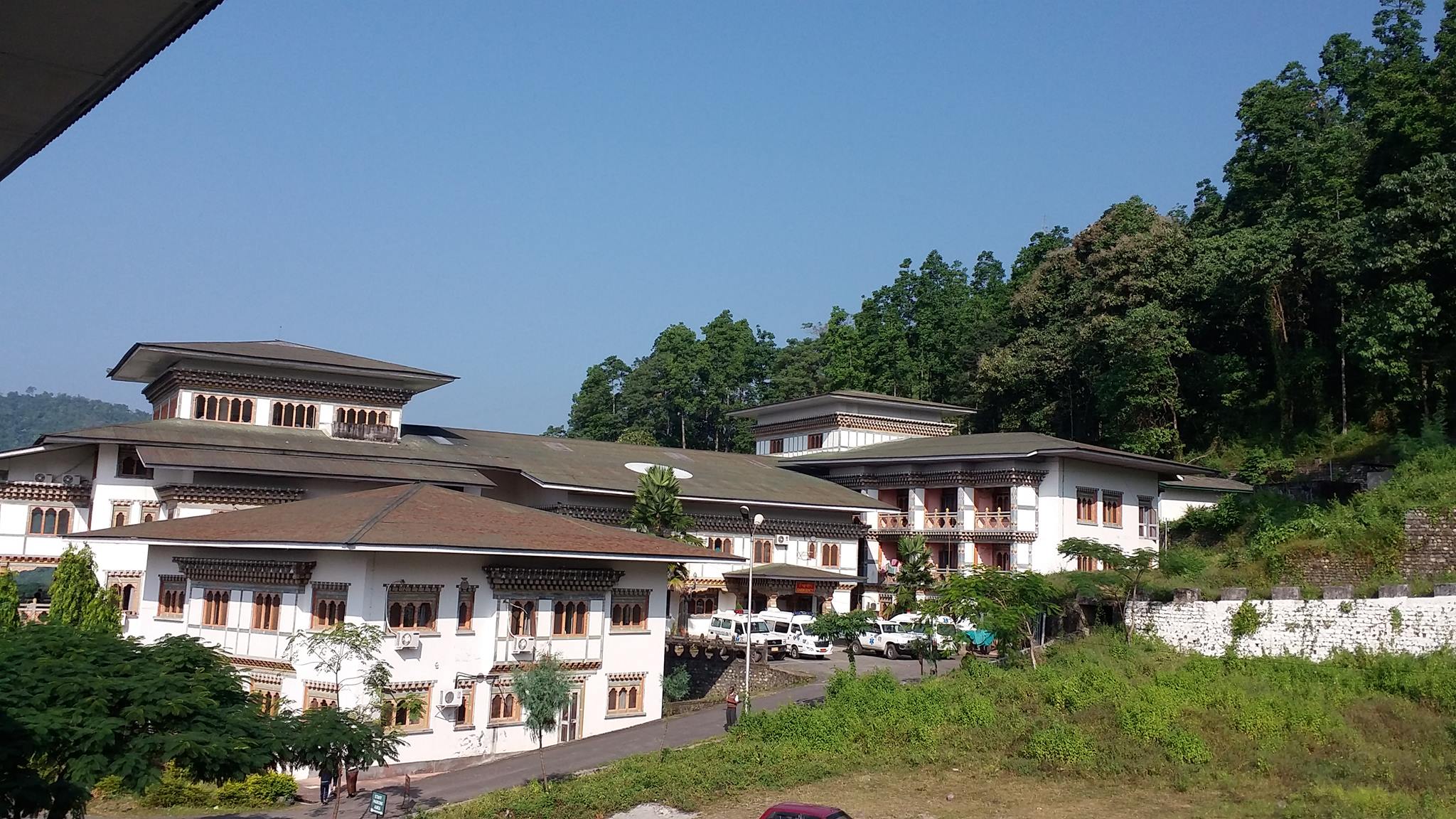
Patients find relief as specialized ENT care reaches Phuentsholing General Hospital
The introduction of endoscopic nasal surgery at Phuentsholing General Hospital (PGH) is marking a significant step forward in expanding specialized healthcare services in the southern region, bringing advanced, minimally invasive treatment closer to patients who previously had to travel long distances for care.
The hospital recently began offering the procedure following the procurement of a nasal endoscopic camera system by the government, at an estimated cost of Nu 2.14 million (M). The equipment features a high-definition camera that provides a clear, magnified, and well-illuminated view of the nasal cavity and sinuses, allowing surgeons to perform procedures with greater accuracy and safety.
Health officials say the introduction of this technology is transforming the scope of ear, nose and throat (ENT) services available in the region, particularly for patients in Chhukha and Samtse dzongkhags who have historically relied on referrals to larger hospitals for specialized procedures.
“With this equipment, we are now able to diagnose and treat a wide range of nasal and sinus conditions right here,” said a health worker at the hospital. “It significantly reduces the need for patients to travel to Thimphu or other tertiary centers, which can be both costly and time-consuming.”
Endoscopic nasal surgery is a modern technique that uses a thin, flexible tube fitted with a camera and light source to access internal structures through the nostrils, eliminating the need for external incisions. The minimally invasive nature of the procedure offers multiple benefits for patients, including reduced pain, minimal bleeding, faster recovery, and shorter hospital stays.
With the introduction of the service, the hospital can now perform a range of procedures that were previously unavailable locally. These include septoplasty to correct a deviated nasal septum, functional endoscopic sinus surgery for chronic sinusitis, nasal polypectomy to remove growths, biopsy of suspicious lesions, and the safe removal of foreign objects lodged in the nasal passages.
For many patients, the impact has been immediate and tangible.
“I had been suffering from sinus problems for years and was told I might need to go to Thimphu for surgery,” said Ugyen Dorji, a resident of Samtse. “When I learned that the procedure was available in Phuentsholing, it was a huge relief. I will be able to return home within a few days.”
Another patient, Sonam Zam from Chhukha, echoed similar sentiments. “I was worried about the cost and the time it would take if I had to travel far,” she said. “At Phuentsholing, it is my second home as I travel to the town frequently which will greatly reduce the expenses. I already feel much better now.”
Local leaders and community members have also welcomed the development, noting its broader implications for healthcare accessibility.
“This is a major improvement for people living in the southern districts,” says a town representative from Phuentsholing. “Access to specialized care has always been a challenge, and this service will benefit not only patients but their families as well.”
The initiative is part of a broader effort by the government to decentralize healthcare services and strengthen regional hospitals. By equipping facilities like PGH with modern technology, authorities aim to reduce the burden on national referral hospitals while ensuring more equitable access to quality care across the country.
“Before this, many patients delayed treatment because of the inconvenience of travel or the fear of surgery,” he said. “Now, with minimally invasive options available locally, we are seeing more people come forward for timely care.”
Residents from more remote areas have also begun to seek services at the hospital with growing awareness and confidence in the facility.
“I came all the way from Dungna after hearing about this new surgery,” said a farmer from the remote gewog. “It is reassuring to know that we can receive such advanced treatment within our region.”
Health officials note that early diagnosis and treatment of nasal and sinus conditions are crucial in preventing complications, including chronic infections and breathing difficulties. The availability of endoscopic procedures is expected to improve patient outcomes and reduce long-term healthcare costs.
With demand expected to rise, hospital officials say they are committed to further expanding services and building capacity, ensuring that patients across the southern belt benefit from timely, high-quality medical care.
Tashi Namgyal, Thimphu