


The Ministry of Infrastructure and Transport (MoIT) has stated that the ongoing stormwater and roadside drainage improvement works in Thimphu are designed to significantly reduce recurring urban flooding and roadside water overflow problems once completed.
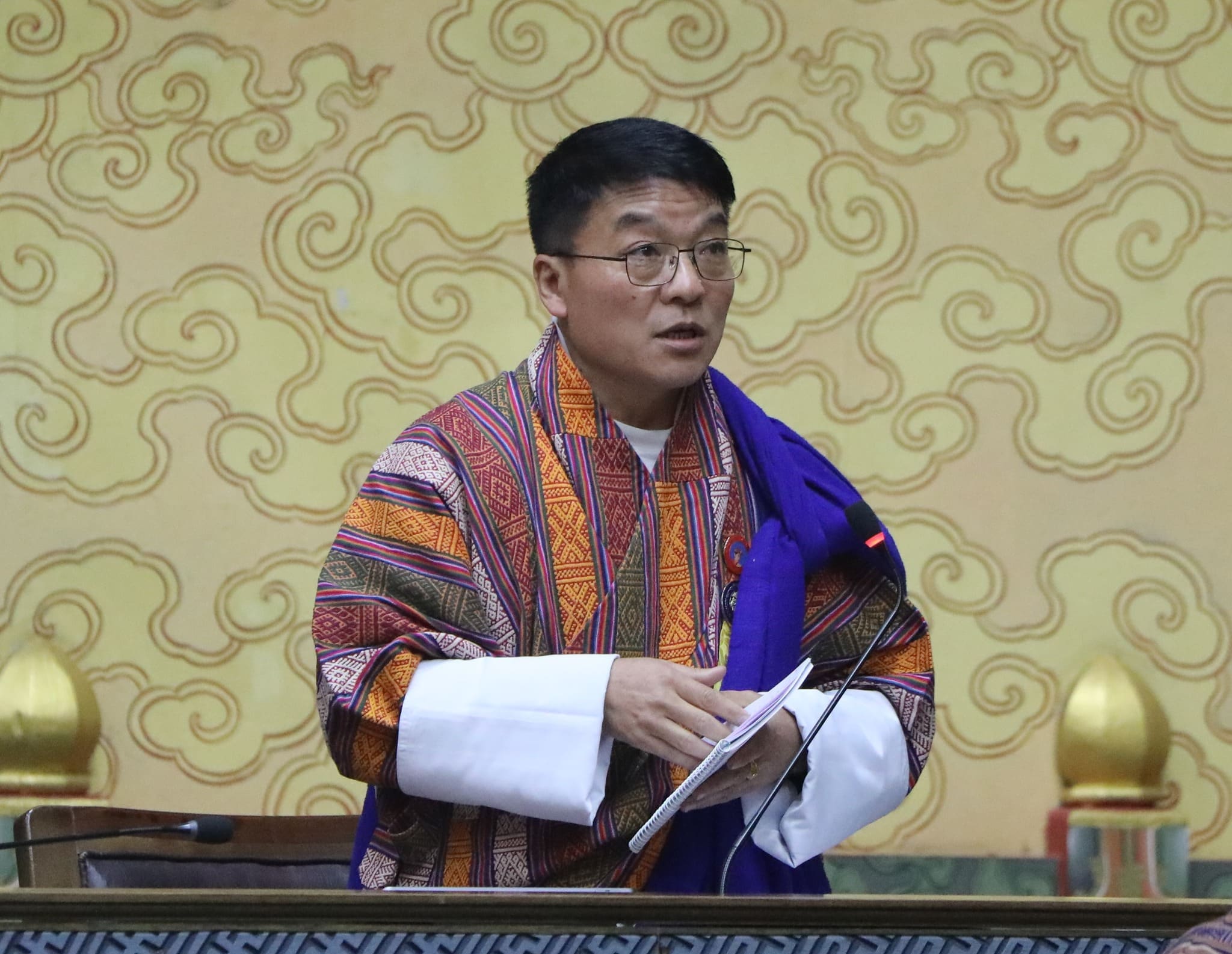
The clarification was provided during the ongoing Parliament session in response to questions raised by Member of Parliament for Drametse-Ngatshang constituency, Kinzang Wangchuk, regarding the effectiveness, long-term sustainability, and future-readiness of the drainage infrastructure being developed in the capital.
In a written response, the ministry stated that the project is being implemented based on recommendations and technical requirements identified under the Stormwater Master Plan for Thimphu Thromde and the Water Services Master Plan prepared in 2022.
According to the ministry, the master plans incorporated detailed technical assessments of existing drainage capacities, projected urban growth, future development patterns, and the potential impacts of climate change, including increased rainfall intensity and urban runoff caused by rapid urbanisation.
“The Ministry is confident that the project will significantly improve stormwater management capacity and help reduce recurring street flooding and roadside water overflow issues in many critical urban areas upon completion,” the response stated.
The drainage project is also being implemented as part of broader urban resilience initiatives supported through the United Nations Development Programme (UNDP), with emphasis on climate-resilient infrastructure and sustainable urban drainage approaches.
The project incorporates nature-based solutions, including environmentally sensitive drainage interventions, green infrastructure elements, and improved surface water management systems aimed at strengthening long-term urban resilience and environmental sustainability.
However, the ministry acknowledged that stormwater management remains an ongoing and adaptive process due to changing rainfall patterns, increasing climate-related risks, and continued urban expansion.
The ministry said it would continue monitoring the performance of the drainage system and undertake further improvements and upgrades where necessary.
Responding to question on whether climate-resilient design considerations and future urban expansion projections had been adequately reviewed before implementation, the ministry stated that detailed technical assessments were conducted prior to the project.
It said that the master plans included comprehensive studies on existing drainage networks, stormwater flow patterns, flood-prone locations, infrastructure capacities, topography, urban growth trends, and future development scenarios in Thimphu.
The plans also incorporated climate change projections, including increasing rainfall intensity, extreme weather events, and the impacts of rapid urbanisation on surface runoff and drainage demand.
The ministry added that the project includes nature-based and environmentally sensitive drainage measures aimed at improving water infiltration, reducing surface runoff, strengthening ecological resilience, and enhancing the sustainability of the urban drainage system.
The MP also questioned what measures were being taken to ensure that the UNDP-supported investment would deliver long-term benefits to the public instead of requiring repeated reconstruction in the future.
In response, the ministry said several measures had been incorporated during planning, design, and implementation stages to improve durability, resilience, and long-term effectiveness of the drainage infrastructure.
The ministry stated that the systems were designed with improved hydraulic capacity, better stormwater conveyance systems, and integrated drainage planning to reduce flooding risks and infrastructure failure during extreme weather events.
Additional measures include slope stabilisation, enhancement of green spaces, and environmentally sensitive stormwater management interventions intended to reduce maintenance burdens while improving environmental sustainability.
The ministry also highlighted ongoing technical reviews, inter-agency coordination, site-specific assessments, quality control mechanisms, engineering supervision, and regular monitoring during construction.
According to the ministry, the Project Management Unit (PMU) has instructed contractors to conduct slump tests and cube tests for M20 grade concrete and strictly follow technical drawings and specifications outlined in tender documents.
The PMU team also conducts site visits at least twice a month to monitor work progress and ensure compliance with the Grievance Redress Mechanism (GRM) and Environmental and Social Management Plan (ESMP) requirements.
Despite these measures, the ministry acknowledged that urban drainage management will continue to require regular maintenance, periodic performance reviews, and future infrastructure upgrades as climate conditions and urbanisation evolve.
As part of this effort, the ministry has initiated a stormwater master plan for planned urban areas in Paro Dzongkhag, which is expected to be completed by October 2026.
Sangay Rabten, Thimphu











