Bhutanese drivers, long frustrated by rising toll fees on Indian highways, may finally see relief as the Royal Government of Bhutan (RGoB) prepares to submit a finalized Standard Operating Procedure (SOP) on toll fees to the Government of India (GoI). The move promises to streamline cross-border travel and ease a chronic source of stress for motorists commuting between Bhutan and Indian border towns, particularly in Assam and West Bengal.
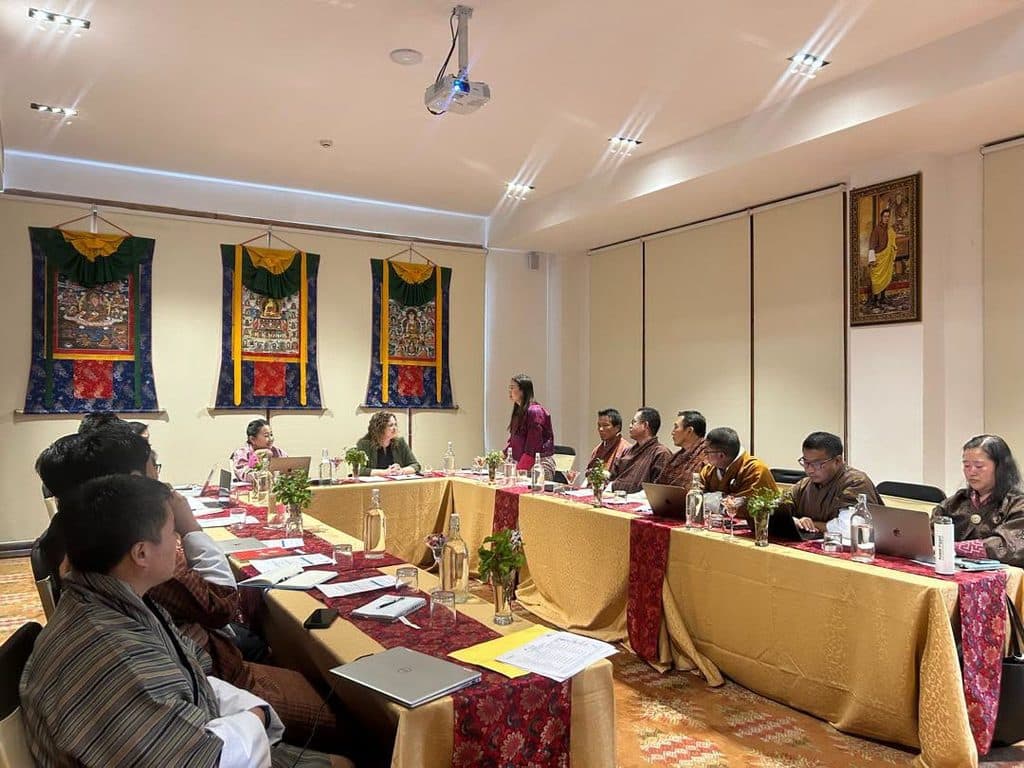
The Ministry of Foreign Affairs and External Trade (MoFAET) confirmed that the SOP — originally received from India in late November 2025 — has undergone thorough review and revision by Bhutanese authorities. “We completed the review on February 5, 2026, after consulting all relevant Bhutanese stakeholders and making necessary adjustments. We then held virtual consultations with the Indian team,” Minister D.N. Dhungyel told Business Bhutan. “Now, we are sending the final, agreed SOP to the GoI through the Indian Embassy in Bhutan.”
The process has involved a meticulous consultation with multiple Bhutanese agencies, including the Bhutan Construction and Transport Authority, Department of Law and Order, Ministry of Finance, GovTech, Bank of Bhutan, Royal Monetary Authority, and the Department of Revenue and Customs. This exhaustive review ensured that the SOP reflects Bhutan’s operational realities and protects the interests of its citizens. According to the Minister, a few clauses that initially imposed extra obligations on Bhutanese travelers were modified, and India graciously accepted these requests.
Once GoI gives its final acceptance, the SOP will be presented to the Cabinet for approval, after which the FASTag system — India’s electronic toll collection method — can be rolled out for Bhutanese motorists. Under FASTag, tolls are automatically deducted from linked prepaid accounts, minimizing the need for cash transactions. While there is no fixed timeline for implementation, the Ministry has indicated that the system will be operational soon, signaling a major step forward in cross-border transportation convenience.
For commuters, the introduction of FASTag cannot come soon enough. Drivers traveling between Phuentsholing and southern towns like Gelephu and Samdrup Jongkhar continue to encounter daily challenges. Reports abound of motorists being forced to pay cash despite having sufficient FASTag balances, creating confusion and frustration. The problem has been compounded by a recent doubling of toll fees, with charges surging from Nu 350 to Nu 700 per gate, sharply increasing travel costs for Bhutanese commuters.
The cumulative burden is especially pronounced for travelers covering long distances. A journey from Samtse to Phuentsholing involves just one toll gate, but a trip from Phuentsholing to Samdrup Jongkhar crosses five toll gates. Oddly, there are no tolls between Daipham and Samdrup Jongkhar, adding to the sense of inconsistency in toll administration.
Incidents of harassment at these toll gates have added to the discontent. Many travelers have turned to social media to recount experiences of abusive behavior or procedural misconduct at Indian toll booths. The situation has not only fueled public frustration but also attracted scrutiny from Bhutanese lawmakers. With Parliament closely monitoring the matter, pressure is mounting on the government to deliver a transparent, enforceable solution that ensures fair treatment and prevents arbitrary toll practices.
The finalized SOP represents more than just a bureaucratic exercise; it is a promise of smoother, fairer, and more predictable cross-border travel. For frequent commuters, logistics operators, and trade vehicles that shuttle goods along these vital routes, the SOP could dramatically reduce delays, improve safety, and lower travel costs. The move also signals the RGoB’s commitment to proactive diplomacy and citizen-centered policy, negotiating practical solutions to challenges that directly affect daily life.
While the FASTag system has worked successfully within India, Bhutanese motorists hope that the SOP will clarify operational procedures, specify acceptable payment methods, and address gaps in enforcement to prevent further cash collection inconsistencies. Proper implementation will not only save time and money but also enhance confidence in cross-border infrastructure, facilitating commerce, tourism, and regional integration.
In the broader picture, the initiative underscores the deepening cooperation between Bhutan and India in infrastructure, trade, and transport. As India continues to modernize its highways and electronic tolling, Bhutan’s adoption of compatible systems represents a seamless regional connectivity approach that benefits both nations. It also highlights how cross-border governance and citizen welfare are increasingly intertwined, requiring careful coordination and mutual respect.
For Bhutanese commuters, the coming weeks may bring tangible relief. The SOP submission is a critical milestone, with the potential to turn daily travel from a source of stress and uncertainty into a smoother, more predictable experience. While challenges remain — including the harmonization of toll collection procedures and enforcement mechanisms — the proactive steps taken by MoFAET demonstrate that the government is listening, negotiating, and acting decisively on behalf of its citizens.
Ultimately, the finalized toll fee SOP is about more than numbers and gates; it is about restoring fairness, predictability, and dignity for Bhutanese travelers navigating one of the country’s most vital links with India.
Sangay Rabten
From Thimphu