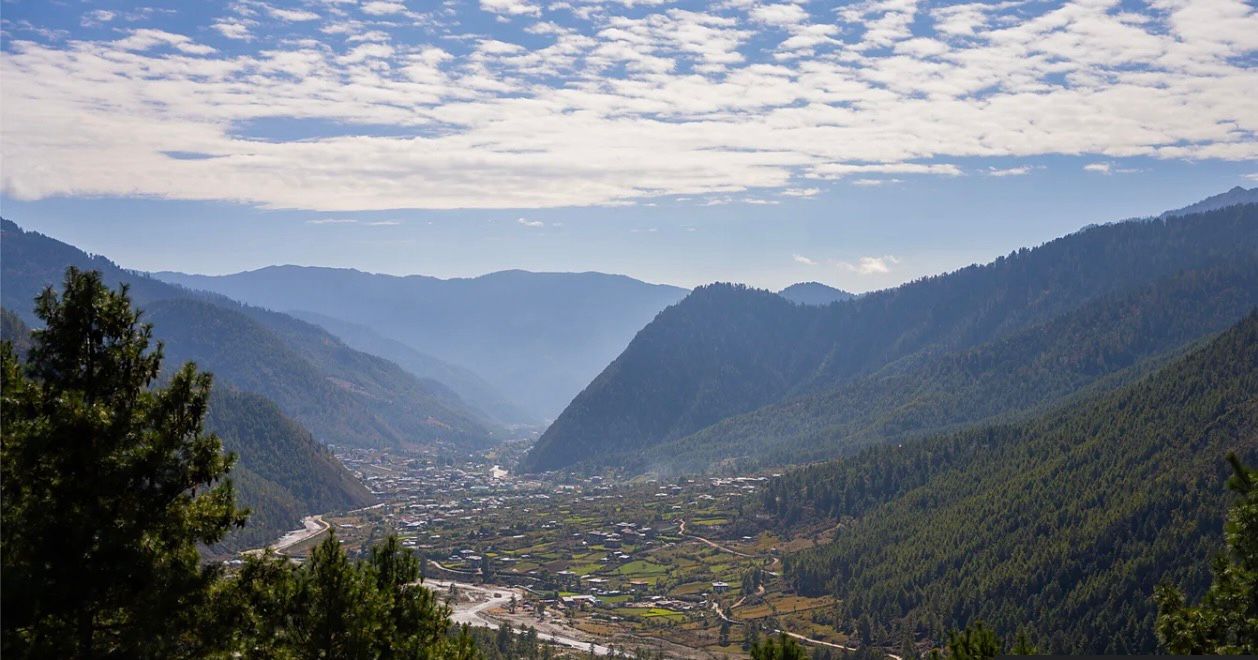
Despite being named among the world’s top travel destinations for 2025 by BBC Travel, Haa Dzongkhag is yet to see a significant rise in tourist arrivals, exposing persistent gaps in visibility, connectivity, and visitor experience.
Officials say the challenge goes beyond international recognition. “It is not just about branding, but about creating compelling reasons for visitors to stay longer,” an official said, pointing to the need for stronger storytelling and more curated travel experiences.
Haa Dzongdag Sonam Tobgye said the district offers rich biodiversity and numerous cultural sites, but these assets remain underutilised due to limited promotion and access constraints.
The low tourist turnout is already affecting the local economy, particularly the hospitality sector, once seen as a key driver of growth in the dzongkhag. Hotels are reporting high vacancy rates, with many operators struggling to meet operational costs and repay loans. The seasonal nature of tourism has further deepened financial uncertainty, making it difficult for businesses to retain skilled staff and maintain facilities year-round.
In response, the dzongkhag has launched a new tourism brand, “Haa: Lay Mi Lay – Unraveling a Mystery,” aimed at bridging the gap between the valley’s potential and its limited global visibility. The branding effort focuses on promoting Haa’s pristine environment, unique biodiversity—including species such as the red panda and the endemic white poppy—and its deeply rooted cultural traditions.
Officials say the strategy adopts a phased approach, prioritising domestic tourism first, followed by regional markets such as India, before expanding outreach to international travellers. Parallel efforts are underway to improve trekking routes, upgrade homestay services, and enhance overall visitor experiences.
“We are not creating artificial attractions but presenting our authentic lifestyle in a more coordinated and engaging way,” an official said.
Events such as the Haa Spring Festival are central to this approach. Designed as a celebration of local culture, cuisine, and nature, the festival aims to showcase the highland lifestyle of the valley while drawing visitors. This year, the festival attracted 117 international tourists and 421 visitors from outside Thimphu, along with a strong local turnout of 9,571 residents.
Organisers say the festival’s emphasis on environmental conservation, traditional practices, and community participation distinguishes it from other events and aligns with Bhutan’s broader “high value, low volume” tourism policy.
Haa’s inclusion in the BBC Travel list marks a significant milestone for the district, which remained largely closed to tourism until the early 2000s and has since preserved much of its natural and cultural integrity. The recognition has raised expectations that the valley could emerge as a key destination for mindful and experience-driven travellers.
To build on this momentum, the Dzongkhag Administration is investing in infrastructure and capacity-building. Homestay owners have been trained to improve service standards, while key trekking routes such as the Panorama Trail and Nub Tshona Pata Trek are being upgraded to enhance accessibility and appeal.
The Department of Tourism Bhutan has also expressed optimism that Haa’s growing international profile will contribute to Bhutan’s overall tourism sector and improve the country’s global visibility.
While challenges remain, officials believe that a combination of targeted branding, improved infrastructure, and authentic, experience-based tourism can gradually convert global recognition into tangible economic benefits.
Sangay Rabten, Thimphu