

For 52-year-old Tshering Dorji, a kidney transplant meant much more than undergoing a complex medical procedure; it meant leaving home, navigating an unfamiliar city, and confronting the emotional and financial uncertainty that comes with life-saving treatment abroad.
“I had never left Bhutan before,” he recalls. “Suddenly, I had to think about surgery, travel, accommodation, and staying in a foreign place. It was frightening, not just for me, but for my whole family.”
Like many Bhutanese suffering from chronic kidney disease (CKD), Tshering was referred to Kolkatta after doctors determined that his kidneys had already suffered irreversible damage.
While the Royal Government of Bhutan covers the cost of treatment, airfare for the patient, donor and caregiver, as well as a daily subsistence allowance, many families continue to face considerable financial and emotional challenges during their prolonged stay in India.
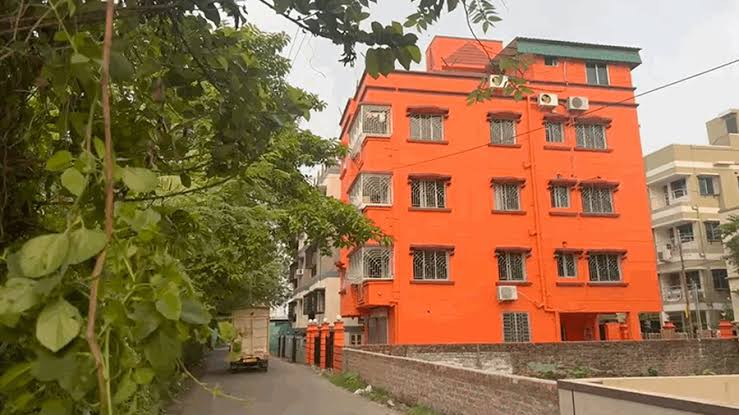
To bridge that gap, the Bhutan Kidney Foundation (BKF), under the patronage of Her Majesty Gyaltsuen Jetsun Pema Wangchuck, established a kidney guesthouse in Kolkata, providing Bhutanese patients and their caregivers with affordable accommodation, guidance and emotional support during one of the most difficult periods of their lives.
Today, the guesthouse has become far more than a place to stay. For many, it has become a sanctuary and a home away from home.
The Kolkatta guesthouse was established after the Foundation recognized that accommodation expenses were becoming one of the biggest financial burdens for families referred overseas.
Initially, BKF provided monthly financial assistance ranging from Nu 3,750 to Nu 22,500 for kidney patients. However, as referrals continued to rise, the Foundation adopted a more sustainable approach by renting a dedicated guesthouse in Kolkatta, where most Bhutanese renal transplant patients receive treatment.
The Foundation spends around Nu 70,000 every month to maintain the facility and employs a full-time manager who assists patients with hospital appointments, transportation, documentation and communication, helping families navigate an unfamiliar healthcare system.
“When we arrived, we didn’t know where to go or what to do,” says 35-year-old Sonam Choden, whose husband underwent a kidney transplant last year. “At the guesthouse, there was someone to guide us. It felt like a home away from home.”
While direct financial assistance has largely been discontinued for patients travelling to Kolkatta, the Foundation continues to provide financial support for Bhutanese referred to Christian Medical College in Vellore, Tamil Nadu.
The guesthouse has become increasingly important as Bhutan records a steady rise in chronic kidney disease cases. Health officials estimate that around a dozen new CKD cases are diagnosed every month, although the actual number may be considerably higher because the disease often progresses silently without noticeable symptoms.
For many patients, the diagnosis comes only after their kidneys have already sustained significant damage. “I felt fine,” Tshering says quietly. “Maybe a little tired, but nothing serious. Then one day, the doctor told me my kidneys were already badly damaged.”
Unlike many other illnesses, chronic kidney disease develops gradually. Early symptoms such as fatigue, swelling or changes in urination are often mild and easily overlooked, meaning patients frequently seek treatment only when dialysis or transplantation has become unavoidable.
Since Bhutan does not yet have a full-fledged renal transplant programme, patients requiring kidney transplants are referred primarily to the Rabindranath Tagore International Institute of Cardiac Sciences in Kolkatta or Christian Medical College in Vellore.
In 2025, 34 Bhutanese patients were referred to Kolkatta for renal transplantation. Each procedure costs between Nu 1.2 million and Nu 1.5 million, representing a significant investment by the government in providing advanced medical care abroad. Two additional patients were referred for arterio-venous fistula construction, a critical procedure for individuals requiring long-term dialysis.
Behind these statistics are families whose lives are abruptly transformed by illness. Despite government support, many continue to rely on personal savings, loans and assistance from relatives to cover everyday living expenses during weeks or months of treatment.
“The allowance helps, but it is not enough,” says Sonam Choden. “Food and accommodation are expensive. We had to depend on relatives and our savings to manage.”
Medical experts say that while transplantation saves lives, many cases of chronic kidney disease could be prevented through earlier detection and healthier lifestyles.
According to health professionals, uncontrolled hypertension and diabetes remain the leading causes of kidney failure in Bhutan. More than one in four Bhutanese adults is estimated to have high blood pressure, many without knowing it. Over time, elevated blood pressure damages the kidneys’ delicate blood vessels, gradually reducing their ability to function. Diabetes further accelerates the process.
Lifestyle factors are also contributing to the growing burden. The widespread consumption of doma (areca nut), a long-standing cultural tradition practiced by nearly half of Bhutanese adults, has been associated with increased health risks, including kidney disease.
“We are not asking people to abandon their culture,” says a health worker. “But people should understand the health risks and make informed choices.”
High salt intake, declining consumption of fruits and vegetables, inadequate hydration and the unsupervised use of over-the-counter painkillers, particularly non-steroidal anti-inflammatory drugs (NSAIDs), are additional risk factors that health experts say require greater public awareness.
“Most people don’t know they have a problem until it’s too late,” says a Ministry of Health (MoH) official. “That is why routine screening for blood pressure, blood sugar and kidney function is so important.”
Bhutan’s nationwide network of Basic Health Units offers an opportunity to strengthen early detection through regular screening and community awareness programmes, particularly in rural areas where access to specialist care remains limited.
For Tshering, the experience has changed his outlook on life. “If I had known earlier, maybe things would have been different,” he says. “Now I tell everyone to go for regular check-ups, take care of their health and don’t wait until it’s too late.”
As CKD continues to rise in Bhutan, the Kolkatta guesthouse stands as a reminder that healthcare extends beyond hospitals and surgery. In the words of the BKF, “For dozens of Bhutanese families facing one of life’s greatest challenges, it offers not only shelter but also comfort, guidance and dignity, making an unfamiliar city feel, if only for a while, like home.”
Tashi Namgyal, Tsirang