

More than 8,600 transactions completed since September, but integration gaps and merchant eligibility continue to affect users
Two weeks after the launch of the second phase of the Unified Payments Interface (UPI), Bhutanese users continue to experience payment failures at some Indian merchants, prompting coordination between Bhutanese authorities and Indian banks to improve the service.
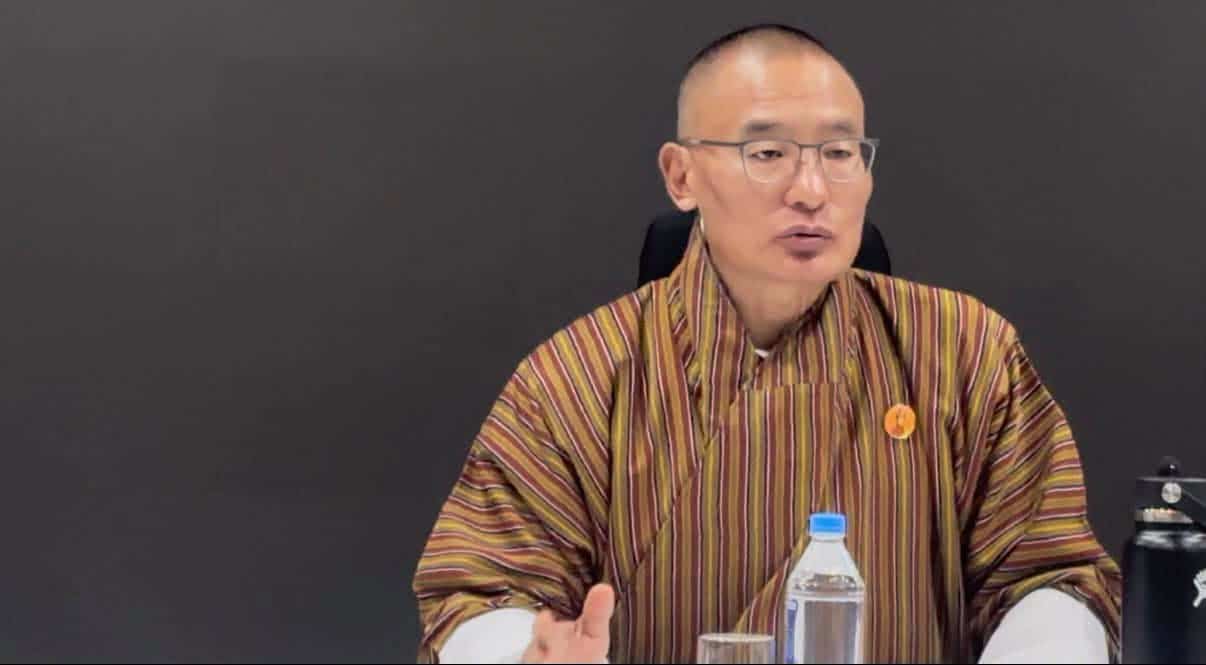
Foreign Affairs and External Trade Minister DN Dhungyel said 8,621 transactions had been completed successfully since September, averaging around 450 transactions a day. He said the figures indicated that the system was being used, although some users were still experiencing difficulties.
The minister said six Indian banks had enabled the QR-based payment facility for Bhutanese users, while four more banks, including the State Bank of India (SBI), were in the process of joining the system alongside other payment service providers.
“Once these banks are enabled, around 80 percent of UPI would be available to Bhutanese,” Lyonpo DN Dhungyel said.
He said the Royal Monetary Authority (RMA) was also working on onboarding and integrating the payment system, adding that initial technical difficulties were expected with a new interface.
The minister said some transaction failures could be linked to users attempting payments through applications or banks that had not yet enabled the service or were still completing integration. He expressed hope that the issues would gradually ease as more banks and payment services came on board.
However, experiences in Jaigaon suggest that technical integration is not the only challenge, with some payments failing even at established businesses.
According to some Bhutanese consumers, during attempts to use Reverse UPI at outlets including Dolma Medical and Vatika Restaurant, some transactions failed after the amount had initially been deducted from the payer’s account. The amounts were subsequently credited back.
Similar difficulties were encountered at merchants associated with payment intermediaries, including Axis Bank, ICICI Bank and PhonePe. The experience suggests that a merchant’s association with a bank or payment service provider does not necessarily guarantee that a transaction will be completed successfully through the cross-border arrangement.
While the facility offers Bhutanese travellers an additional digital payment option in India, its practical usefulness will depend on whether payments work consistently at participating outlets. Apart from technical failures, merchant account eligibility could affect the reach of Reverse UPI, particularly among small businesses in Indian border towns.
Some small merchants operate through personal bank accounts rather than dedicated business accounts. Where the payment arrangement requires an eligible merchant account, businesses that do not meet the requirements may be unable to receive payments through the service.
This could limit the facility’s usefulness in places such as Jaigaon, where Bhutanese visitors regularly purchase medicines, groceries, household goods and other essentials from small shops.
Even when a Bhutanese user’s mobile banking application supports Reverse UPI, a payment may fail if the receiving merchant is not eligible, has not completed registration or has not been technically integrated into the system.
“The situation creates uncertainty for consumers trying to determine which outlets accept the facility. It could also prevent merchants from benefiting from digital transactions by Bhutanese customers,” one consume said.
The second phase of UPI is intended to make payments more convenient for Bhutanese travelling to India by allowing them to pay participating Indian merchants through supported mobile banking applications, reducing their dependence on cash.
Given the close commercial links and frequent cross-border movement between the two countries, reliable digital payments could make shopping and other everyday transactions easier for Bhutanese visitors.
However, the initial difficulties highlight the need for continued coordination among the RMA, Bhutanese banks, Indian banks, payment intermediaries and merchants.
Although the number of successful transactions indicates that Bhutanese users are already using the system, its wider adoption will depend on consistent performance and greater clarity for both consumers and merchants.
Meanwhile, as more banks and payment service providers complete integration, resolving these last-mile challenges will be critical to ensuring that Reverse UPI delivers a reliable and convenient payment option for Bhutanese travelling and shopping in India.
Tashi Namgyal, Thimphu