

Last-minute bookings and weak coordination push guide fees to Nu 6,000 a day in Phuentsholing, exposing gaps in peak-season tourism arrangements
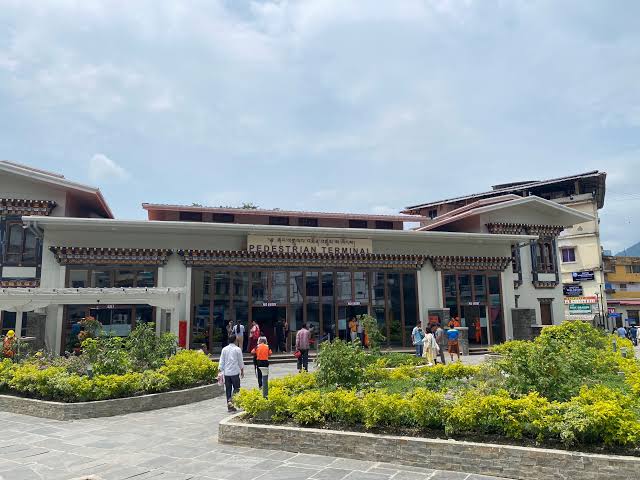
Bhutan may have thousands of registered tour guides, but a surge in regional tourists arriving through Phuentsholing has exposed a different problem: the failure to plan for predictable peak-season demand.
With some guides reportedly charging between Nu 4,000 and Nu 6,000 a day, and occasionally more, walk-in tourists have faced difficulties arranging onward travel. Some have reportedly reconsidered or abandoned their plans.
Yet guides interviewed say the situation is not necessarily a nationwide shortage of professionals. Rather, it reflects last-minute bookings, inadequate coordination between travel agencies and guides, and a mismatch between where guides are available and when they are needed.
The distinction matters. Having enough guides registered nationally does not guarantee their immediate availability in Phuentsholing when tourists arrive without advance arrangements.
Tour guides say peak-season pressure is predictable, particularly during periods such as Durga Puja and Christmas. Travel agencies, they argue, should anticipate the surge and secure guide assignments before visitors arrive, instead of scrambling to find available guides at the last minute.
One guide suggested that agencies communicate their itineraries at least one to two weeks in advance during busy periods to allow proper scheduling.
A seasonal market, not simply a shortage
Guides say the rising fees must also be viewed against their earnings and working conditions throughout the year.
According to one guide, some agencies operating from Jaigaon pay around Nu 1,500 a day during the off-season and Nu 2,000 during peak periods. For guides who must cover their own accommodation and meals, the lower rate can leave little room to meet daily expenses.
“If guides are paid low rates during the off-season, why should they not seek higher rates during the peak season?” the guide asked.
Many guides work under fixed-salary contracts, however, meaning their earnings may not rise with the prices charged to tourists. The disparity between what visitors pay and what guides earn therefore deserves closer examination.
The issue is not simply whether guides should charge more during peak periods. It is whether agencies, guides and tourists have clear expectations about rates, availability and service arrangements before a trip begins.
Flexibility and better coordination
Some guides have also called for a review of the general limit of 12 tourists per guide, suggesting that a larger group could be accommodated under appropriate conditions. One proposed allowing a guide to lead up to 22 tourists during exceptional peak periods.
Any change, however, would need to consider service quality, safety and applicable tourism requirements rather than serve merely as a response to higher demand.
The Department of Tourism has introduced temporary measures to address reported difficulties in securing guides in Phuentsholing. The department has indicated that the problem relates not necessarily to the overall number of registered guides, but to their availability for immediate assignments.
Informal figures cited by tourism sources put the number of registered guides at approximately 3,280 in 2026. The figure alone, however, does not establish how many are actively working, available for short-notice bookings or located near the border during peak periods.
The immediate challenge is therefore one of deployment and coordination as much as numbers. Advance booking, clearer communication between agencies and guides, transparent pricing and fair employment arrangements could help prevent visitors from being caught in a last-minute scramble.
Bhutan’s growing tourism demand should be an opportunity for both the industry and its workforce. But when predictable seasonal surges disrupt travel plans, the problem cannot be addressed simply by pointing to a shortage of guides.
The priority should be better planning, not merely more personnel. A tourism destination must be prepared not only to welcome visitors, but also to ensure that the people and services needed to receive them are available when they arrive.
Sangay Rabten, Thimphu