

After decades of discussion and anticipation, the long-envisioned railway links between Bhutan and India are finally moving from vision to action. Procurement for the historic cross-border railway project is scheduled to begin in July 2026, marking a decisive step toward transforming Bhutan’s connectivity, trade, and regional integration, while firmly positioning Gelephu Mindfulness City (GMC) as a future international gateway.
The Government of India (GoI) will oversee the tendering process for the entire project, underscoring the strength of bilateral cooperation and India’s continued commitment to Bhutan’s development. Bhutan’s Ministry of Infrastructure and Transport (MoIT) confirmed that there will be no separate tender process on Bhutan’s side, ensuring a streamlined and efficient rollout.
Technical teams from Bhutan and India have jointly revised the terminal designs for the Kokrajhar–Gelephu and Banarhat–Samtse railway corridors following concerns raised by the Royal Government of Bhutan. These concerns included the impact of seasonal streams in Gelephu and potential effects on the existing Quarantine Center. According to MoIT, the revised design is currently undergoing site validation in Gelephu, after which teams will proceed to Samtse for ground validation.
Despite these refinements, officials emphasized that the overall project timeline remains unchanged. The minor design modifications will not affect the scope or delivery schedule. Once construction begins, the Samtse railway link is expected to be completed within three years, while the Gelephu railway link is projected to be completed within four years.
The railway connection to Gelephu is expected to be transformational. Strategically located and already designated as a key point of entry, Gelephu will emerge as Bhutan’s primary southern rail gateway, serving not only the city but also surrounding districts such as Zhemgang, Tsirang, Sarpang, and Dagana. For GMC, envisioned as a global hub for mindfulness, sustainability, and innovation, the rail link provides a vital backbone—connecting the city’s philosophy of balance and wellbeing with practical economic opportunity.
Enhanced rail connectivity will lower logistics costs, attract green investments, and strengthen the movement of people, goods, and ideas. It will also support environmentally responsible transport, aligning with the core values of the Mindfulness City while boosting its appeal to international investors, institutions, and visitors.
Estimated at approximately Nu 40 billion and fully funded by the Royal Government of India, the project will create 89 kilometers of railway network, linking Gelephu and Samtse to the Indian Railways system at Kokrajhar in Assam and Banarhat in West Bengal. While Samtse is envisioned as an industrial hub, Gelephu’s rail link will anchor its evolution into a globally connected urban center.
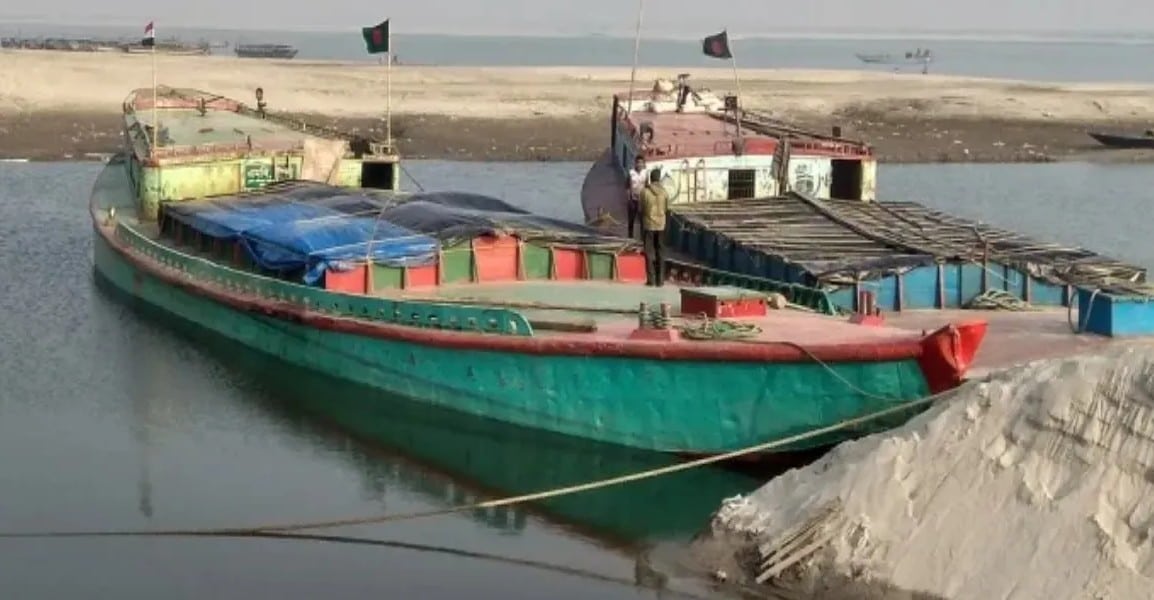
The economic benefits of the railway extend far beyond Bhutan’s borders. With rail connectivity becoming increasingly vital for exports and imports, Bhutanese goods such as boulders and sandstone will reach regional and international markets more efficiently. The new Kokrajhar–Gelephu railway will significantly enhance Bhutan’s trade with both India and Bangladesh, strengthening trilateral economic ties. Direct rail transport of Bhutan’s sandstone to Bangladesh will also become possible, reducing reliance on transshipment points such as Dumdim in India.
On institutional preparedness, MoIT noted that railway engineering and operations require long-term formal training. While Bhutanese engineers are not yet in a position to independently design railway systems, they have gained valuable exposure by working alongside railway experts and observing railway operations abroad. This experience is expected to support future planning and institutional growth. The Department of Surface Transport has been mandated to oversee railway development, and as rail infrastructure expands, a dedicated specialized unit is likely to be established.
Regarding land acquisition, the ministry clarified that acquisition within Bhutan—covering approximately one kilometer in Gelephu and 2.9 kilometers in Samtse—will begin only after final designs are validated on site. No land acquisition has commenced so far, as ground validation remains ongoing.
Both railway links have been designated as Special Railway Projects, allowing for expedited land acquisition and reduced regulatory hurdles to meet ambitious construction timelines. As India remains Bhutan’s largest trading partner and most of Bhutan’s exempt trade passes through
This milestone builds on the landmark January 25, 2005 agreement signed in the presence of His Majesty the Fourth Druk Gyalpo and former Indian Prime Minister (Late) Manmohan Singh, under which Bhutan and India agreed to conduct feasibility studies for extending Indian railways into Bhutan’s border towns. More than two decades later, that vision is finally gathering momentum.
As procurement approaches and site validation advances, Bhutan stands on the brink of a rail-powered future, one in which GMC rises not only as a symbol of mindful urban development, but also as a strategic bridge linking Bhutan to the regional and global economy.
Nidup Lhamo
From Thimphu