

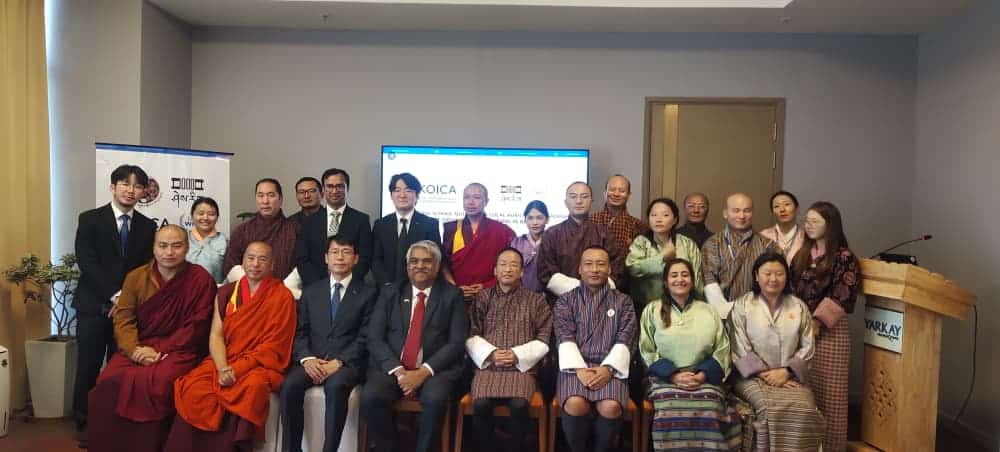
The World Food Programme (WFP) and the Korea International Cooperation Agency have signed a US$9.5 million agreement to improve access to nutritious school meals for more than 100,000 children in Bhutan, while boosting local food production and rural livelihoods.
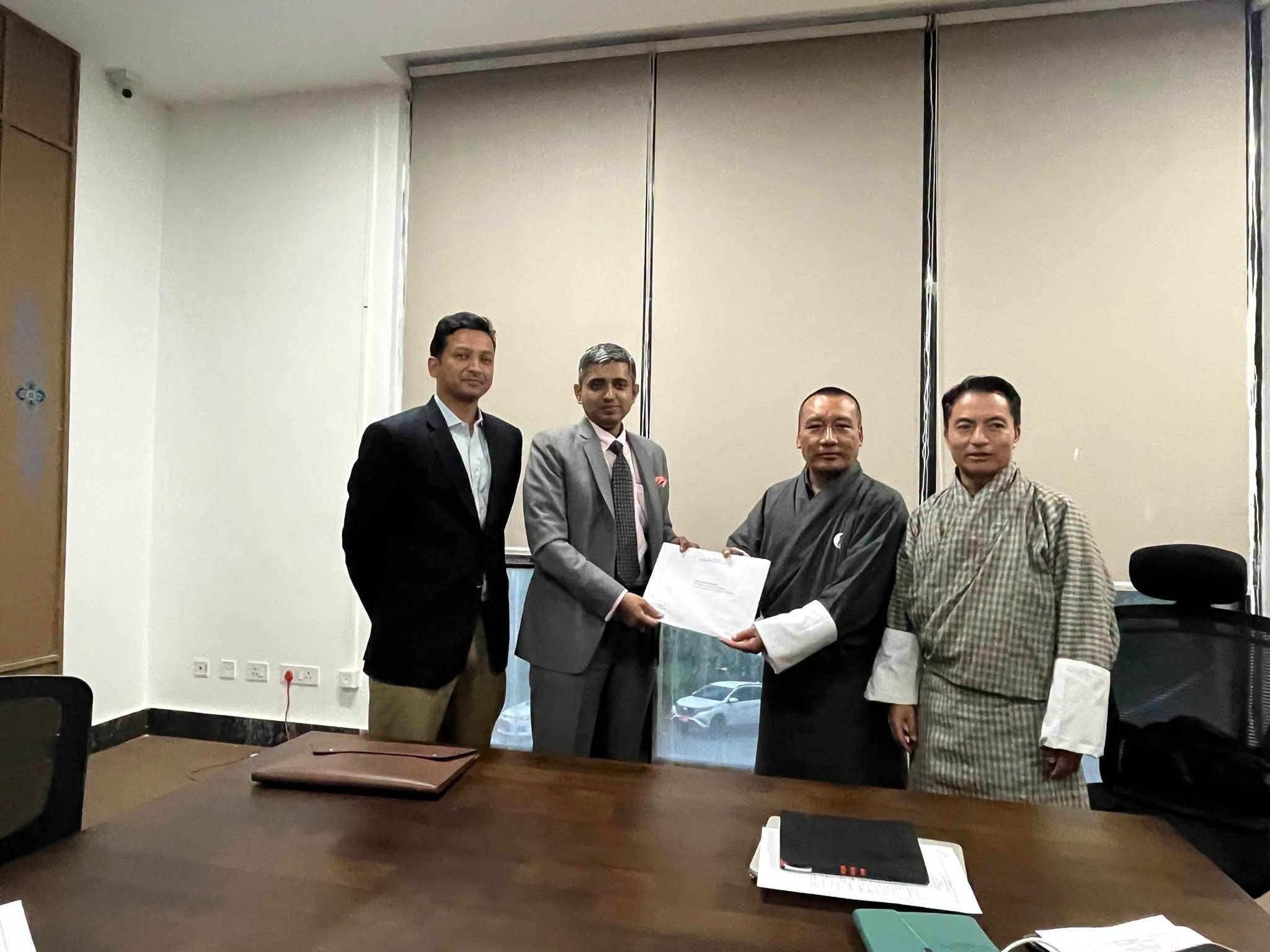
The agreement, signed between KOICA Bangladesh Country Director Jihoon Kim and WFP Country Director and Representative in Bhutan Peter Rodrigues, marks a significant step in supporting Bhutan’s national school feeding programme through locally sourced food. The initiative is expected to increase farmers’ incomes while enhancing the nutritional status of schoolchildren.
Implemented in partnership with the Ministry of Education and Skills Development, the Central Monastic Body, and the Ministry of Agriculture and Livestock, the project will reach more than 100,000 students in both government and monastic schools. Overall, it is expected to benefit over 175,000 people across the country.
The programme includes the construction and refurbishment of school kitchens, alongside the rollout of agricultural initiatives in 13 districts. In addition to receiving improved and nutritious meals, students will be educated on balanced diets, hygiene, food safety, and basic food production skills.
The initiative aims to promote socio-economic development and contribute to poverty reduction by strengthening government capacity to deliver nutritious school meals. It also seeks to foster sustainable development and enhance community participation.
More than 2,000 farming households will benefit from the project through access to tools, training, and skills development, enabling them to become more productive farmers and rural entrepreneurs. At least 60 percent of the beneficiaries will be women, with increased opportunities to earn income through stronger linkages between farms and schools.
The agriculture component of the project focuses on crop diversification, improved farming practices, and strengthening farmers’ participation in the home-grown school feeding supply chain. It also includes support for small-scale facilities such as greenhouses to ensure year-round food supply and measures to reduce post-harvest losses.
Jihoon Kim said the partnership demonstrates how school feeding programmes can deliver multiple benefits by improving children’s nutrition while strengthening local food systems and rural livelihoods. “By investing in local agriculture, we are supporting long-term, community-driven development outcomes,” he said.
The project also responds to concerns over micronutrient deficiencies among Bhutan’s school-age children, aiming to improve dietary diversity and increase the consumption of nutrient-rich foods in schools.
Peter Rodrigues highlighted that the initiative will transform school meals into a driver of better nutrition, greener school kitchens, and stronger farm-to-school partnerships. He added that the collaboration will help ensure children eat better while farming communities build more secure livelihoods.
Director of the Department of Education Programmes, Sangye Choden, said the programme would significantly strengthen food security alongside supporting schools and farmers.
Programme Coordinator of the Zhung Dratshang, Lopen Kinley, noted that the support would improve the living standards of monks and nuns by enhancing nutrition and sanitation. He added that the initiative would also enable them to focus more on their studies and contribute to societal harmony, especially during times of need.
Sangay Rabten, Thimphu