The government has reaffirmed its commitment to achieving the goals of the Zero Waste Bhutan 2030 initiative, emphasizing that public participation, awareness, and stronger waste management systems will be critical to addressing the country’s growing waste challenges.
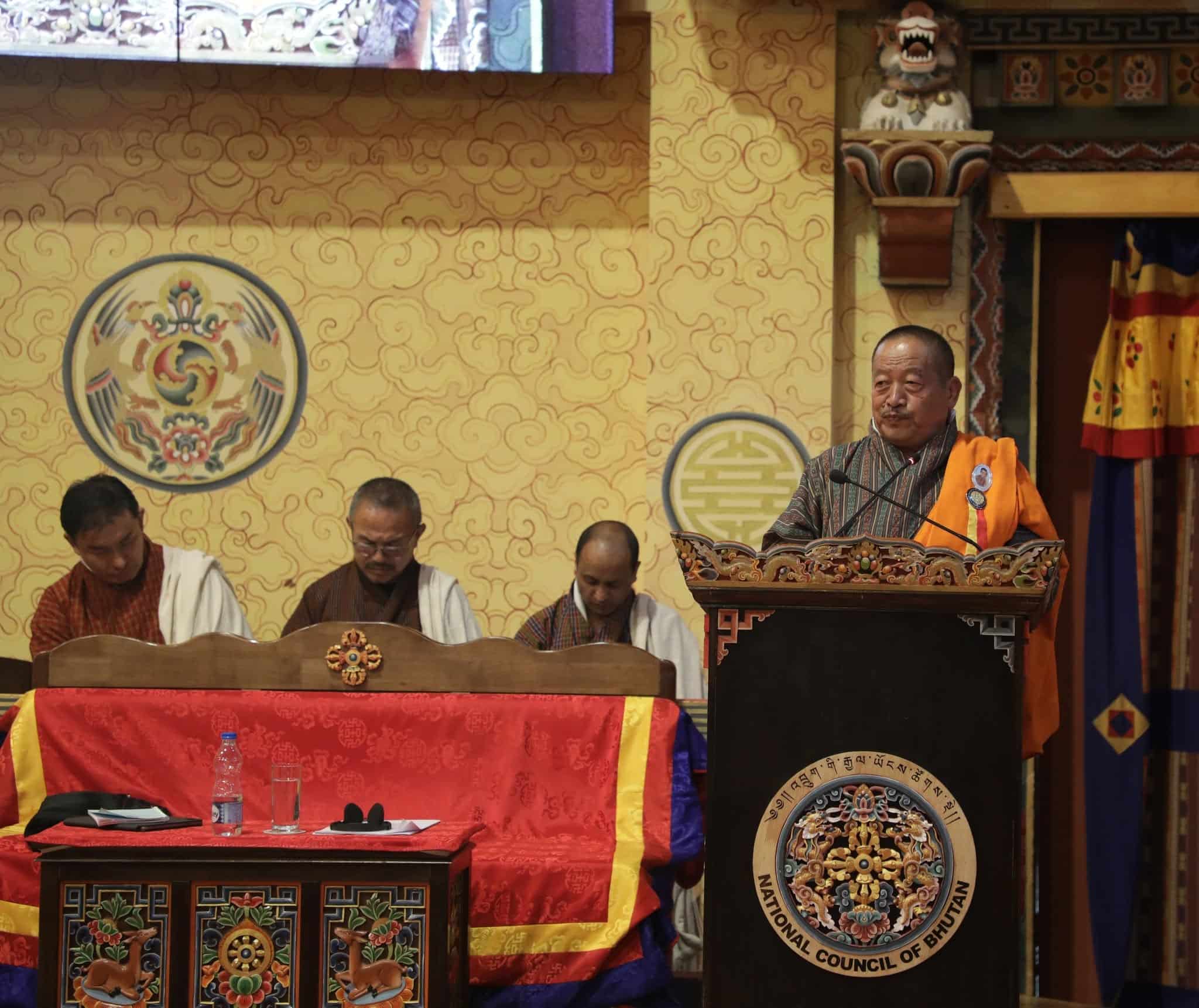
The assurance came from the Minister for Energy and Natural Resources, Lyonpo Gem Tshering, during a National Council session in response to members’ questions on Bhutan’s progress in waste management and the implementation of the Zero Waste Bhutan 2030 initiative.
Council members also sought clarification on the performance and accountability of waste management infrastructure, including incinerators and Material Recovery Facilities (MRFs), as well as measures being taken to manage electronic waste (e-waste) and used electric vehicle (EV) batteries.
Responding to the concerns, Lyonpo Gem Tshering said the government continues to pursue the initiative through sustained awareness and advocacy programmes across the country.
“We have been conducting awareness programmes in schools, communities, and dzongkhags to encourage responsible waste segregation, recycling, and sustainable waste management practices,” the Minister said. “These efforts will be further strengthened in the coming years.”
He stressed that public participation remains central to the government’s waste management strategy, noting that behavioural change and proper waste segregation at source are essential to reducing the volume of waste reaching landfills.
As waste generation continues to rise with urbanisation, changing lifestyles, and increased consumption, the Minister acknowledged the need for stronger waste management systems and infrastructure nationwide.
On the performance of incinerators and Material Recovery Facilities, Lyonpo said the Ministry is working closely with local governments to improve the operation, maintenance, and monitoring of waste management facilities.
“We are strengthening the management and oversight of waste facilities to ensure they are effectively utilised and remain sustainable in the long term,” he said.
The Minister also addressed concerns over electronic waste, which is emerging as one of the country’s fastest-growing environmental challenges.
“Efforts are underway to strengthen systems for the collection, storage, and disposal of electronic waste in collaboration with international partners,” Lyonpo Gem Tshering informed the House.
With Bhutan aggressively promoting electric mobility as part of its climate commitments, the Minister said preparations are also being made to address the future management of used EV batteries.
“As the number of electric vehicles increases, we are exploring appropriate mechanisms for the management of EV batteries to ensure environmental safety,” he said.
The Minister further informed members that the government is expanding EV charging infrastructure across the country and plans to import 1,000 electric vehicles as part of Bhutan’s transition to cleaner and more sustainable transportation.
Highlighting Bhutan’s environmental credentials, Lyonpo Gem Tshering noted that the country’s status as a carbon-negative nation continues to attract international recognition and support.
“Bhutan’s strong environmental record enables us to access financial and technical assistance from development partners, which supports our waste management and environmental initiatives,” he said.
Discussions in the House also touched on hospital waste management, waste disposal challenges in rural areas, and the adequacy of waste collection services and vehicles across the country.
Waste management remains one of Bhutan’s most pressing environmental concerns. Municipal authorities continue to grapple with challenges related to waste segregation, collection, transportation, recycling, and final disposal, even as waste volumes increase each year.
The Zero Waste Bhutan 2030 initiative was launched to reduce dependence on landfills and promote sustainable waste management practices through waste reduction, recycling, reuse, and greater environmental awareness.
Electronic waste has emerged as a particular concern due to the rapid growth in the use of mobile phones, computers, and household electronic appliances. Improper disposal of such waste can release hazardous substances that threaten both public health and the environment.
Similarly, the growing adoption of electric vehicles is bringing new policy challenges, particularly regarding the safe recycling, reuse, and disposal of lithium-ion batteries. The government has been exploring international best practices to develop environmentally sound management systems for these batteries.
The National Council’s deliberations underscored the need for stronger infrastructure, improved public participation, enhanced accountability, and continued government support if Bhutan is to remain on track toward achieving its Zero Waste Bhutan 2030 goals.
Sherab Dorji, Thimphu