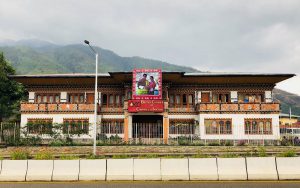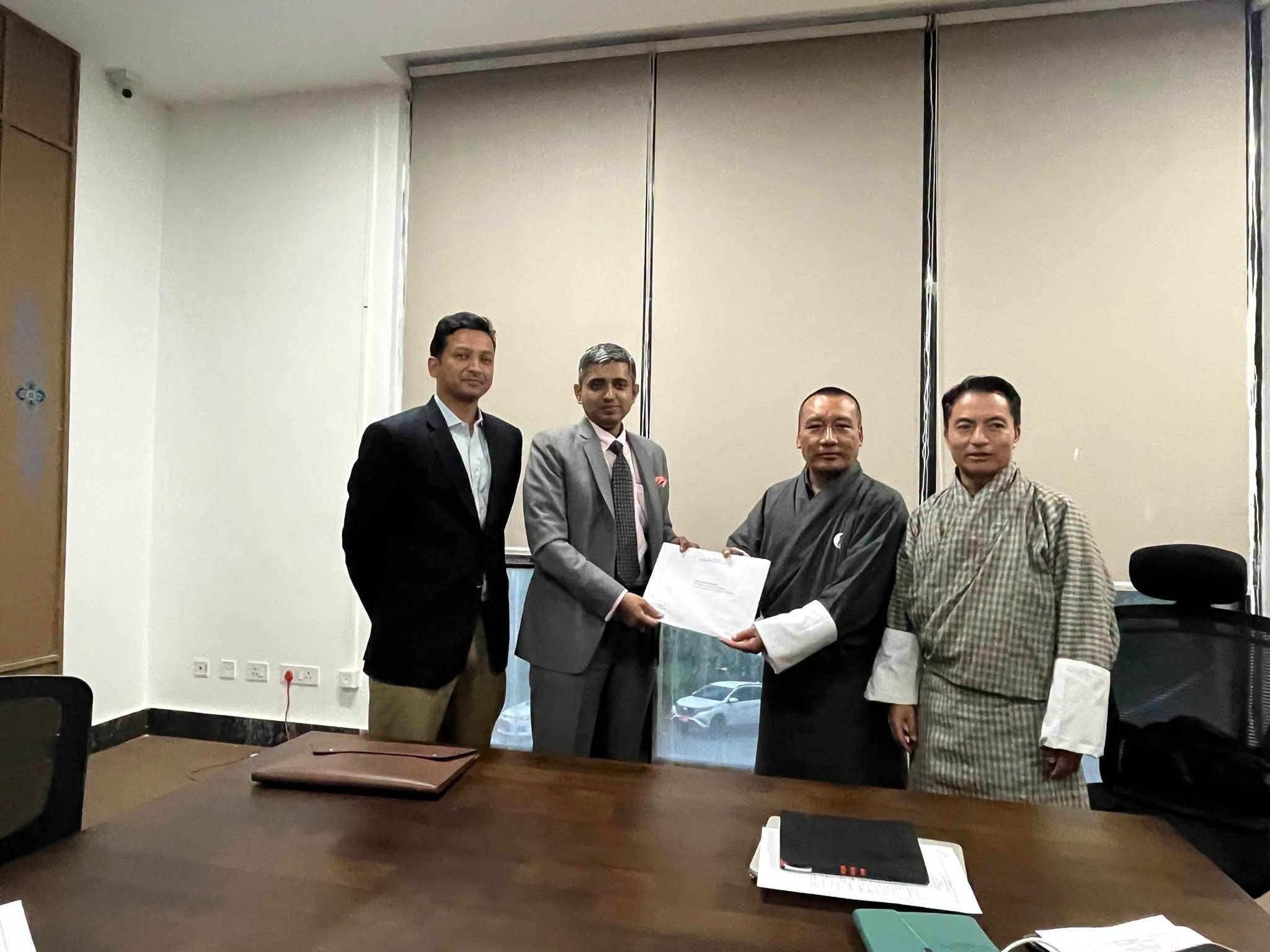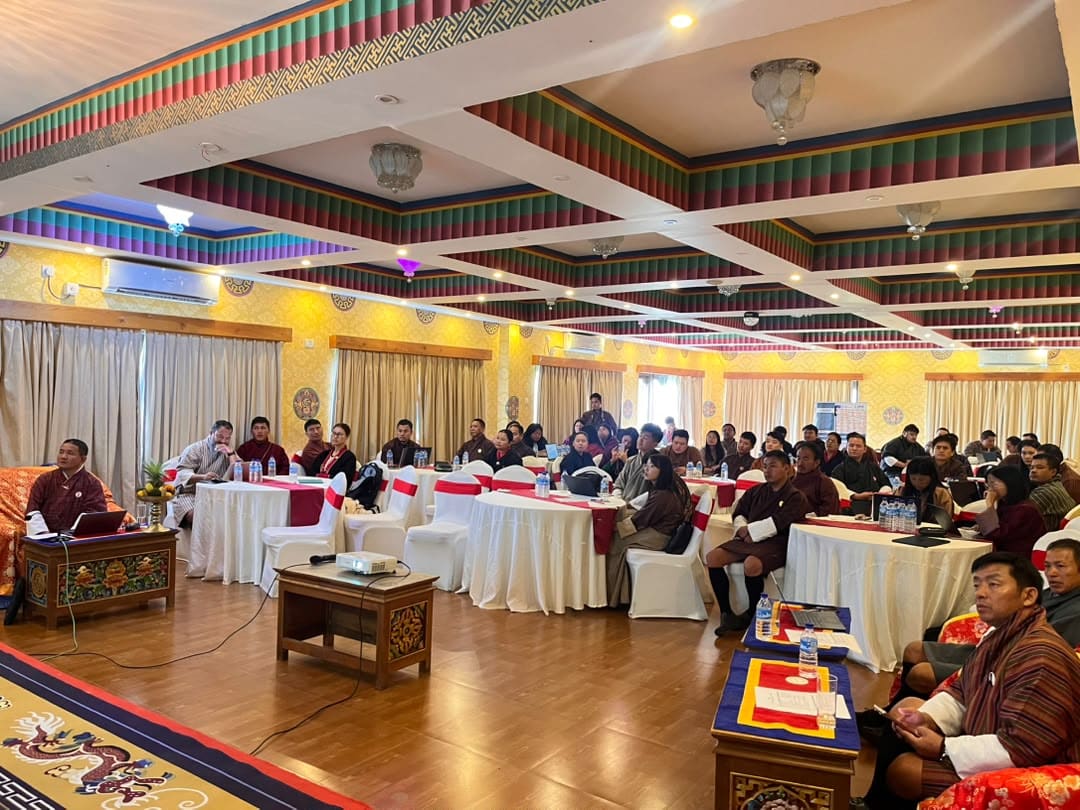
The country is moving closer to expanding its industrial base in the east with the completion of a feasibility study for the proposed Bokajuli Industrial Park in Samdrup Jongkhar, a project expected to accelerate industrial diversification, attract investment, create jobs and strengthen cross-border trade with India.
The feasibility study has concluded that the proposed industrial park is technically, economically, financially, environmentally and socially viable, positioning it as a strategic industrial hub aligned with Bhutan’s broader economic transformation goals.
Spread over approximately 180 acres at Bokajuli, the proposed park is strategically located near the Assam border and adjacent to the existing Phuntshorabtenling Industrial Park. The location is expected to create operational linkages between the two facilities while improving access to transport networks, logistics systems and regional markets.
“The study identifies Bokajuli as a highly suitable location due to its strategic proximity to the Indian border, established transport infrastructure and opportunities to integrate with the nearby Phuntshorabtenling Industrial Park,” the report states.
The project was initiated in response to rising demand for industrial land as several government-developed industrial estates and parks approach full occupancy.
The assessment, based on engineering studies, field investigations, stakeholder consultations, market analysis and environmental and social impact assessments, has developed a conceptual master plan and implementation strategy for the industrial park.
Officials say Bokajuli will provide ready-to-use industrial plots supported by essential infrastructure such as roads, electricity, water supply and waste management facilities. Such facilities reduce investment barriers, improve business efficiency and encourage the establishment of manufacturing and processing industries.
Market assessments indicate strong long-term demand for industrial space, driven by Bhutan’s industrial policies, private sector growth and economic expansion in neighbouring Indian states. Once operational, the park is expected to attract both domestic and foreign investors, promote export-oriented industries and strengthen regional supply chains.
The proposed development supports the objectives of the 13th Five-Year Plan, the 21st Century Economic Roadmap and the Industrial Development Roadmap, which identify industrial diversification, private sector development and employment generation as key national priorities.
Government-developed industrial estates and parks have become central to Bhutan’s industrial strategy by providing serviced land and shared infrastructure to businesses.
Currently, the Department of Industry manages two Industrial Estates and four Industrial Parks, covering more than 915 acres. These facilities have allocated land to 178 industries across cottage, small, medium and large-scale enterprises.
The growing demand for industrial space is reflected in the performance of existing facilities.
Bjemina Industrial Estate in Thimphu, spread over 32.75 acres, has reached full occupancy. The estate accommodates 32 industries, mainly involved in wood products, fabrication, construction materials and small-scale manufacturing. Its complete occupancy reflects continued demand for industrial land around the capital.
Pasakha Industrial Estate in Chhukha, the country’s largest and most productive industrial estate, covers 188 acres and hosts 37 industries. The estate includes six foreign direct investment projects operating in sectors such as ferro-alloys, chemicals, plastics, consumer goods and construction materials. With around 2,852 workers, Pasakha remains Bhutan’s largest industrial employment centre.
In eastern Bhutan, Phuntshorabtenling Industrial Park in Samdrup Jongkhar has demonstrated strong potential. Covering 159 acres, the park has reached 95.66 percent occupancy and currently hosts 26 industries across five industrial sub-sectors. Fourteen industries are already operational, while infrastructure development supported by the Government of India through DANTAK continues to enhance connectivity and facilities.
Other industrial parks have also recorded steady progress.
Dhamdum Industrial Park in Samtse, Bhutan’s largest industrial park by land area, covers 349 acres and has an occupancy rate of 77.5 percent. Designed for green, clean-tech and low-polluting industries, the park has allocated land to 68 industries and is expected to support Bhutan’s transition towards environmentally sustainable industrial growth.
Norbugang Industrial Park, also in Samtse, covers nearly 184 acres and has achieved almost 75 percent occupancy. The park hosts ten industries, mainly large-scale ferro-alloy manufacturing units, with several projects already operational and others under construction.
Meanwhile, Changchey Cottage and Small Industries Park in Tsirang has entered its activation phase. Although only a few enterprises are currently processing licences, its Common Facility Centre is already supporting agri-processing and dairy businesses through shared drying and packaging facilities.
The strong occupancy rates across existing industrial facilities underline increasing investor confidence and the urgent need for additional serviced industrial land.
Bjemina has reached full occupancy, while Pasakha operates at more than 99 percent capacity. Phuntshorabtenling’s near-full occupancy further highlights the strategic importance of eastern Bhutan’s location for trade and investment.
Tashi Namgyal, Thimphu