

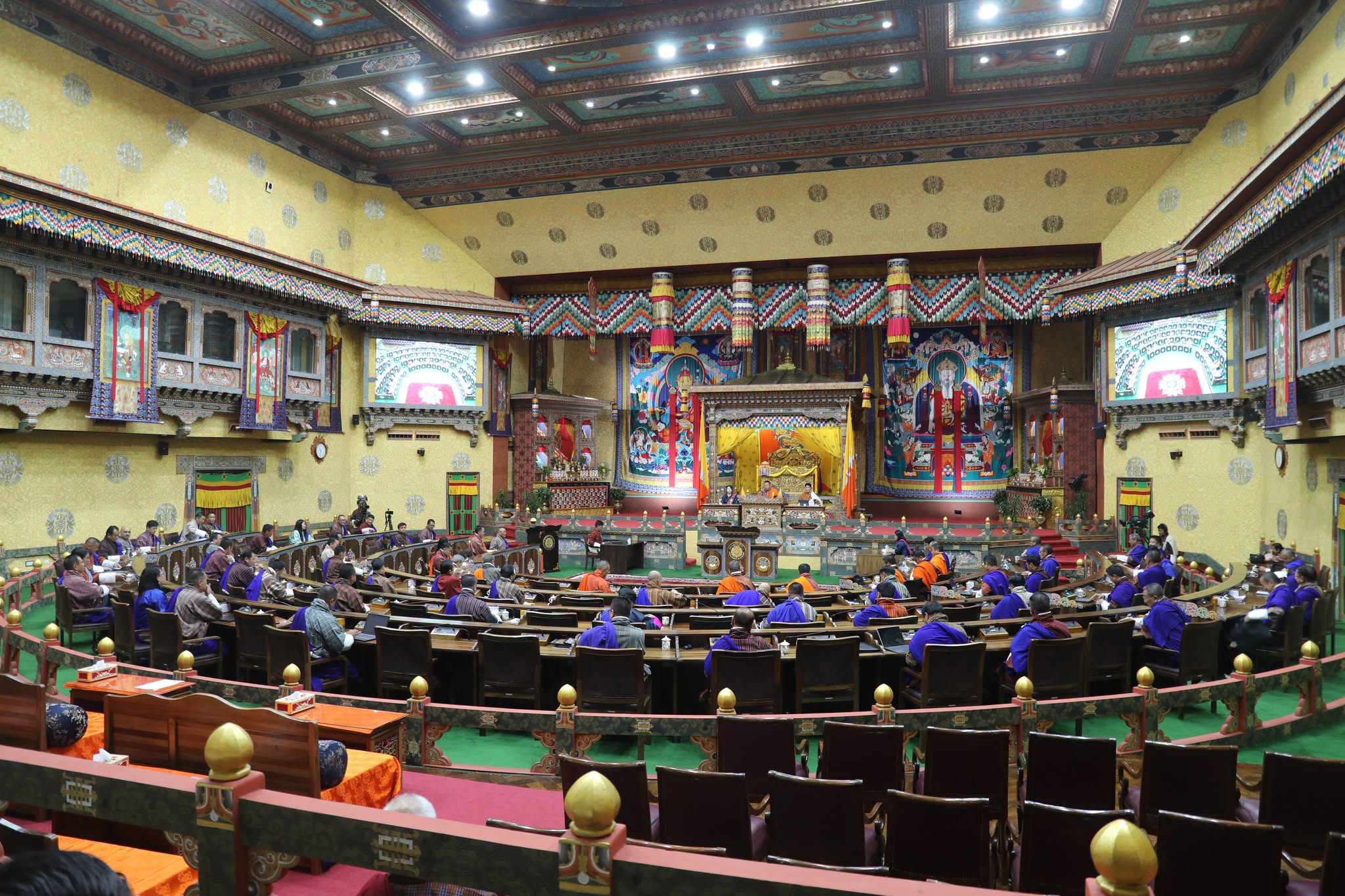
The National Assembly has passed the Goods and Services Tax (GST) Amendment Bill of Bhutan 2026, expanding the list of essential goods exempted from GST in a move aimed at reducing the cost of living, strengthening food security and improving access to essential items.
The amendment, proposed by the Ministry of Finance (MoF) and accepted by the House as presented by the Government, increased the number of GST-exempt items under Schedule IV C of the GST Act from nine to thirty-one. The amendment adds twenty-two new items, including various categories of rice, edible cooking oils, and motorized wheelchairs.
The revised exemption list is expected to benefit households across the country by making everyday necessities more affordable.
According to the MoF, the amendment reflects the Royal Government’s commitment to ensuring that tax policies remain equitable, inclusive, and responsive to the needs of citizens.
“The Government recognizes the increasing cost of essential commodities and the financial burden faced by many households. Exempting these goods from GST will help improve affordability, support household consumption and contribute to the welfare of the Bhutanese people,” the Ministry of Finance stated.
Essential goods added to GST exemption list
The largest portion of the amendment focuses on edible cooking oils, with nineteen categories now exempted from GST. These oils are widely used by Bhutanese households and form an important part of daily food consumption.
The newly exempted edible oils include:
Soya-bean oil and its fractions (BTC Code 1507.90.00)
Groundnut oil and its fractions (1508.90.00)
Extra virgin olive oil (1509.20.00)
Virgin olive oil (1509.30.00)
Other virgin olive oils (1509.40.00)
Other olive oils and fractions (1509.90.00)
Olive-derived blended oils (1510.90.00)
Refined Bleached Deodorized (RBD) palm oil (1511.90.10)
Refined Bleached Deodorized palmolein (1511.90.20)
Other palm oils and fractions (1511.90.90)
Sunflower-seed oil and fractions (1512.19.00)
Cotton-seed oil and fractions (1512.29.00)
Coconut oil and fractions (1513.19.00)
Palm kernel and babassu oil fractions (1513.29.00)
Low erucic acid rape or colza oil (1514.19.00)
Other rape, colza and mustard oils (1514.99.00)
Linseed oil and fractions (1515.19.00)
Maize or corn oil and fractions (1515.29.00)
Sesame oil and fractions (1515.50.00)
Other vegetable oils and fractions (1515.90.00)
Hydrogenated vegetable fats and oils (1516.20.00)
Rice varieties now GST-Free
Rice, Bhutan’s primary staple food, has also received special attention under the amendment.
The following rice categories are now exempt from GST:
Husked (Brown) Rice – BTC Code 1006.20.10
Red Rice (Yeechum) – BTC Code 1006.20.20
Semi-milled or wholly milled rice, whether polished or glazed – BTC Code 1006.30.00
The inclusion of Red Rice (Yeechum), a traditional Bhutanese staple known for its nutritional value and cultural significance, was welcomed by lawmakers during deliberations.
The Ministry of Finance noted that exempting additional rice varieties supports national food security objectives and helps ease the financial burden on families.
Support for persons with disabilities
In another significant amendment, motorized wheelchairs have been added to the GST exemption list under BTC Code 8713.90.00.
Manual wheelchairs were already exempt under existing provisions, but the new amendment extends the benefit to persons requiring technologically advanced mobility aids.
The Ministry stated that the exemption recognizes the evolving needs of persons with disabilities and promotes greater accessibility and independence.
Existing GST-Exempt essential goods
With the latest amendment, several previously exempted items will continue to remain GST-free. These include:
Common iodized salt
Common non-iodized salt
Rock salt
Other forms of salt
Manual wheelchairs
Sanitary towels and pads
Tampons
Baby napkins and liners
Similar sanitary products
Additionally, the Economic and Finance Committee (EFC) has proposed the inclusion of fresh butter under BTC Code 0405.10.10 as an exempt item under Schedule IV C.
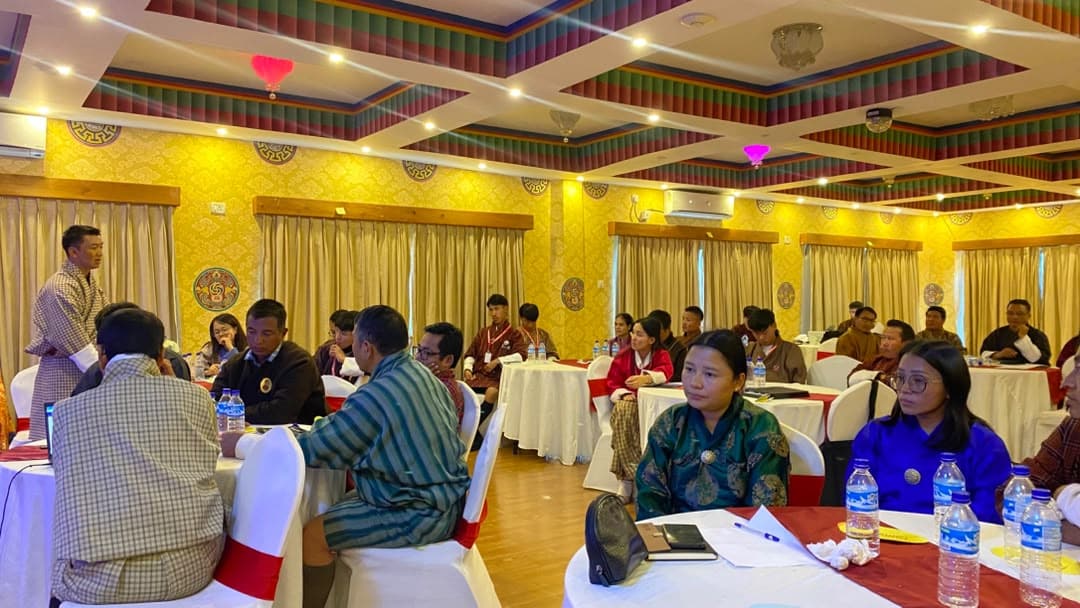
Economic and Finance Committee, National Assembly
Economic and Finance Committee Chairperson Kuenzang Thinley said that before the list for the essential goods exemption was about nine and now with the amendment, there are more than 30 essential goods.
Meanwhile, with the enactment of the amendment, the country now has thirty-one GST-exempt essential goods under Schedule IV C, marking one of the most significant expansions of the country’s GST exemption framework since the tax law was first enacted.
Sherab Dorji, Thimphu