Phuentsholing, Bhutan’s bustling southern gateway, is no stranger to the dangers posed by the Omchhu. Seasonal floods have long threatened lives, livelihoods, and infrastructure. Now, with the upcoming Climate Resilient Omchhu River Basin Project (CRORBP)—a massive Asian Development Bank (ADB)-supported initiative—the city is preparing not just for safer riverbanks, but also for more transparent and people-centered development.
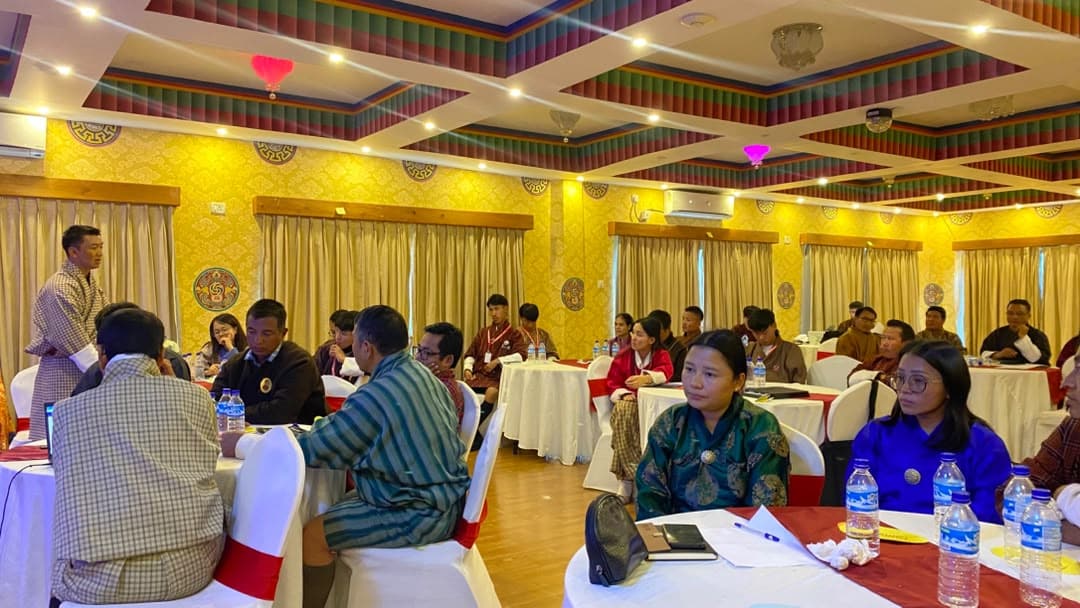
At the heart of this effort lies a Grievance Redress Mechanism (GRM), recently instituted in line with the ADB’s Safeguard Policy Statement. Far from being a bureaucratic formality, the GRM embodies the principle of “safeguarding development through dialogue.”
“Bhutan’s progress must be inclusive, transparent, and respectful of local communities. Mechanisms like this make sure that people remain central to the development journey,” said a project official.
The GRM provides affected individuals and communities with a transparent, impartial, and cost-free channel to voice their concerns, whether they relate to environmental impacts, social issues, or project implementation. It is designed to empower citizens, giving them a real stake in the development process rather than leaving them as passive observers.
Crucially, the GRM is not a one-time consultation tool—it covers the entire lifecycle of the project, from initial planning and construction to operation and maintenance. This ensures that community feedback can influence decisions at every stage, helping to prevent conflicts, mitigate risks, and enhance accountability.
By institutionalizing citizen participation, the GRM transforms the project into a collaborative endeavor, where local knowledge, cultural considerations, and social realities are actively integrated into project planning and execution. Residents are assured that their grievances will be heard, documented, and addressed systematically, fostering trust between the community, project implementers, and funding partners like the ADB.
In essence, the GRM represents more than just a complaint mechanism. It is a bridge of dialogue that ensures development is inclusive, equitable, and responsive to the people it serves.
To strengthen accountability, the project has adopted a three-tier grievance system.
Under tier one, immediate issues, such as construction-related complaints, are addressed by the contractor or the PMU’s Environment Officer within seven working days.
Unresolved matters are escalated to the Grievance Redress Committee (GRC), chaired by the Deputy Project Director, which deliberates and provides resolutions within 15 days under tier-two.
In the third-tier, policy-level or complex grievances go directly to the Project Director, with an expected resolution within 10 additional days.
Each grievance is meticulously documented in a dedicated register at the Phuentsholing Thromde Office, with outcomes also included in ADB’s semi-annual safeguard reports. Identities of complainants remain confidential to protect privacy.
Routine inspections by ADB’s Independent Environmental Specialist will ensure the mechanism is functioning as intended, while systematic recordkeeping guarantees transparency. The inclusion of local leaders and community representatives in the GRC further roots the process in cultural and community realities.
“This isn’t just about construction—it’s about trust,” said an official from Phuentsholing Thromde. “A strong GRM gives citizens a voice and helps build confidence that development is for everyone.”
Set to commence in early 2026 and span until 2032, the CRORBP is poised to reshape Phuentsholing’s relationship with the river. At its core, the project will construct robust embankments and reinforce riverbanks to shield the city from seasonal floods, safeguarding homes, businesses, and critical infrastructure. Complementing these protective measures, expansive green buffer zones will be developed along the river, serving both as natural barriers and ecological havens that support biodiversity.
Nonetheless, the CRORBP goes far beyond flood management. Urban planners envision a transformed riverscape, with public parks, scenic walkways, and recreational spaces woven seamlessly into the city’s fabric. These initiatives aim to enhance quality of life, encourage community interaction, and create spaces where residents can connect with nature. By blending safety with accessibility and aesthetics, the project promises a Phuentsholing that is not just protected, but also vibrant, resilient, and livable—a model for climate-conscious urban development in Bhutan.
While temporary disruptions during construction are expected, officials believe the long-term benefits—safer neighborhoods, better urban planning, and new spaces for public use—will outweigh the short-term inconveniences.
By embedding accountability into the Omchhu River Basin Project, the GRM ensures that Phuentsholing’s citizens are not bystanders but active participants in shaping their city’s safer, greener future.
“Good development isn’t just about infrastructure—it’s about people. And this project keeps people at the center,” reiterated an official from the ADB.
Tashi Namgyal from Phuentsholing