

The tourist hotspots of Gangtey and Phobjikha Valley in Wangdue Phodrang Dzongkhag have attracted a growing number of tourists over the years, providing locals with additional income and improved livelihoods. However, these areas are now facing challenges with waste management.
Due to inadequate management and coordination, residents accumulate garbage on their properties, which is only collected once a month by volunteers. Unfortunately, this waste often doesn’t reach the landfill in Kelila, located 5 kilometers away from Gangtey, because of transportation issues.
The landfill, constructed by the Japan International Cooperation Agency (JICA) in 2011, has reached its capacity, and there is currently no maintenance plan in place. Moreover, local residents are increasingly opposed to its location within the community forest and are calling for its relocation.
Gangtey Gup Kinley Gyeltshen highlighted the community’s struggles, mentioning that a tractor provided by the Royal Society for the Protection of Nature (RSPN) to transport waste has broken down, with no funds available for repairs. He emphasized the urgent need for a garbage truck to ensure proper waste disposal, noting that the area is currently littered with garbage and plagued by foul odors.
To maintain Gangtey and Phobjikha Valley as sustainable and serene tourist destinations, Gup Kinley Gyeltshen stressed the importance of addressing these waste management issues promptly. He called upon relevant stakeholders, including the Department of Tourism, RSPN, and other agencies, for support in maintaining the area’s tranquility.
“The geowg informed the dzongkhag administration about it and they provided us with a CCTV to monitor the defaulters,” he said. “It is of great help but we also seek solicit earnest support from all stakeholders so that the serenity of the place could be maintained.”
“In order for Gangtey and Phobjikha to remain a sustainable and serene tourist destination, we urge the relevant stakeholders to aid the community in managing and disposing off wastes,” the Gup said. “What we need is a garbage collecting truck so that we can dispose the waste properly. The place right now is strewn with garbage and there is foul smell in the air.”
While the Gangtey-Phobji Environment Monitoring Committee (GPEMC), appointed by RSPN, organizes an annual black-necked crane festival and conducts cleaning campaigns, these efforts occur only once a year. With over 7,000 residents and numerous visitors, including guests staying in over 30 homestays and multiple-starred hotels, the waste generation continues to increase.
“This only means more people are going to visit the valley, meaning we will have to tackle more waste. We all are responsible for the mounting trash in our community and we all should come together to solve it. However, someone should take the lead in it. The local government assures full support to whoever comes and finds a solution to it.”
Gup Kinley Gyeltshen also highlighted a unique pollution issue caused by outsiders releasing livestock in the area, leading to animal carcasses and foul smells due to lack of proper care and disposal.
“Since there is no one to look after the animals, they die in the open area, leaving a chunk of bones and foul stench which is a disgraceful sight to behold.”
Echoing the concerns raised during the recently concluded parliamentary session, Kinley Gyeltshen said that in order for the place to remain a tourist hotspot and for tourism to flourish in the region, there is an urgent need to redress this waste panacea once and for all.
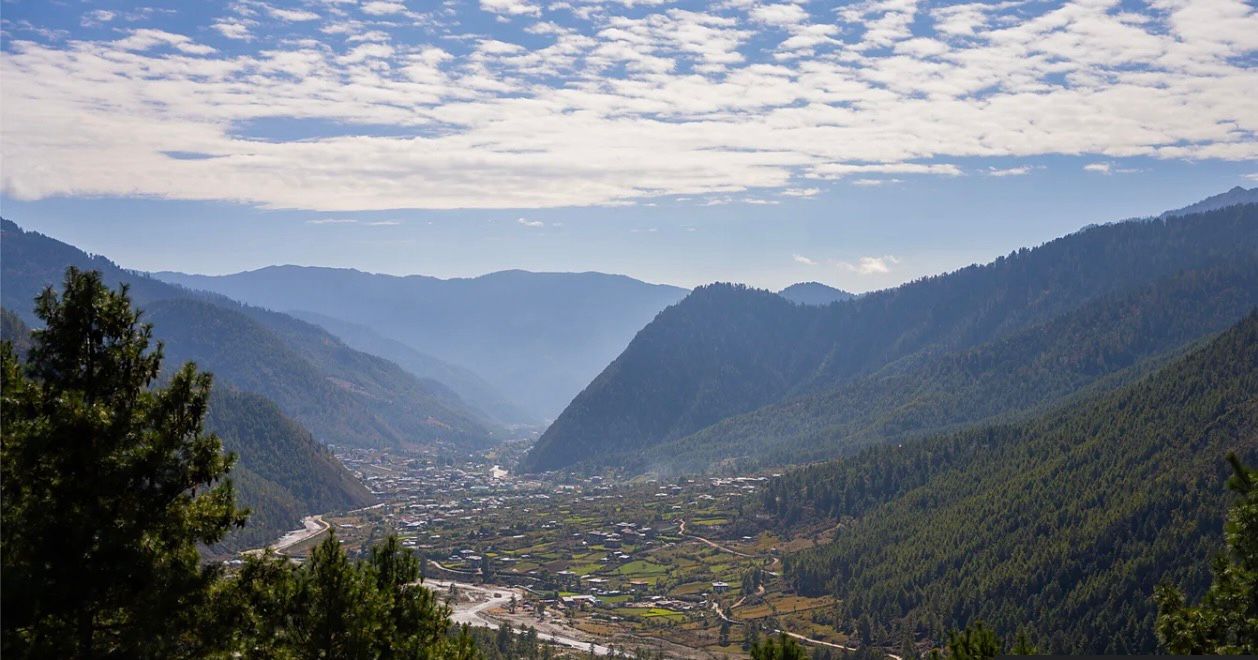
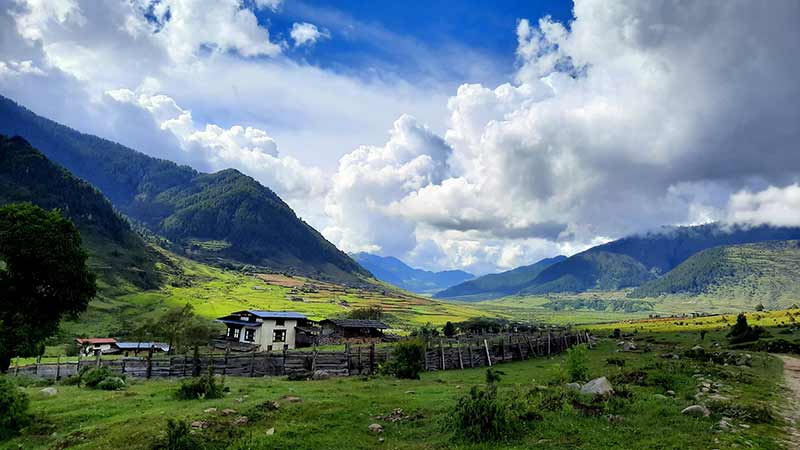
Located at the heart of Bhutan, Gangtey, or Phobjikha Valley, is renowned for its stunning landscapes and is home to diverse wildlife, including the endangered black-necked cranes that migrate annually from the Tibetan Plateau. The area also boasts significant religious sites such as Gangtey Monastery, offering visitors exceptional valley views and nature trails.
By Tashi Namgyal, Thimphu