

Bhutan’s tourism sector is entering a new phase of expansion and transformation, with the government intensifying efforts to increase visitor arrivals, extend stays, diversify tourism experiences and ensure that the benefits of tourism reach communities across the country.
The momentum comes after a strong performance in 2025, when Bhutan welcomed 209,376 tourists from 157 countries and generated approximately USD 43.31 million (around Nu. 3.95 billion) in direct government revenue through the Sustainable Development Fee (SDF).
Tourist arrivals increased by 44.33 percent compared to 2024, when the country recorded 145,065 visitors, reflecting growing international confidence in Bhutan as a distinctive destination and the effectiveness of enhanced tourism promotion, improved connectivity and the country’s unique positioning as a high-value, low-impact tourism destination.
However, the direct SDF revenue represents only a part of tourism’s economic contribution. It does not capture the wider economic benefits generated through tourist spending on hotels, restaurants, transportation, guides, handicrafts, shopping and other tourism-related services. The sector continues to support employment, foreign exchange earnings, entrepreneurship and private sector growth.
Recognising the immense potential of tourism, the Ministry of Industry, Commerce and Employment (MoICE) is now strengthening the sector through new tourism products, improved trekking infrastructure and youth-focused skills development.
The objective is not only to attract more visitors but also to encourage longer stays, promote lesser-known destinations and ensure that tourism creates meaningful economic opportunities for local communities.
Investing in Bhutan’s Trekking Potential
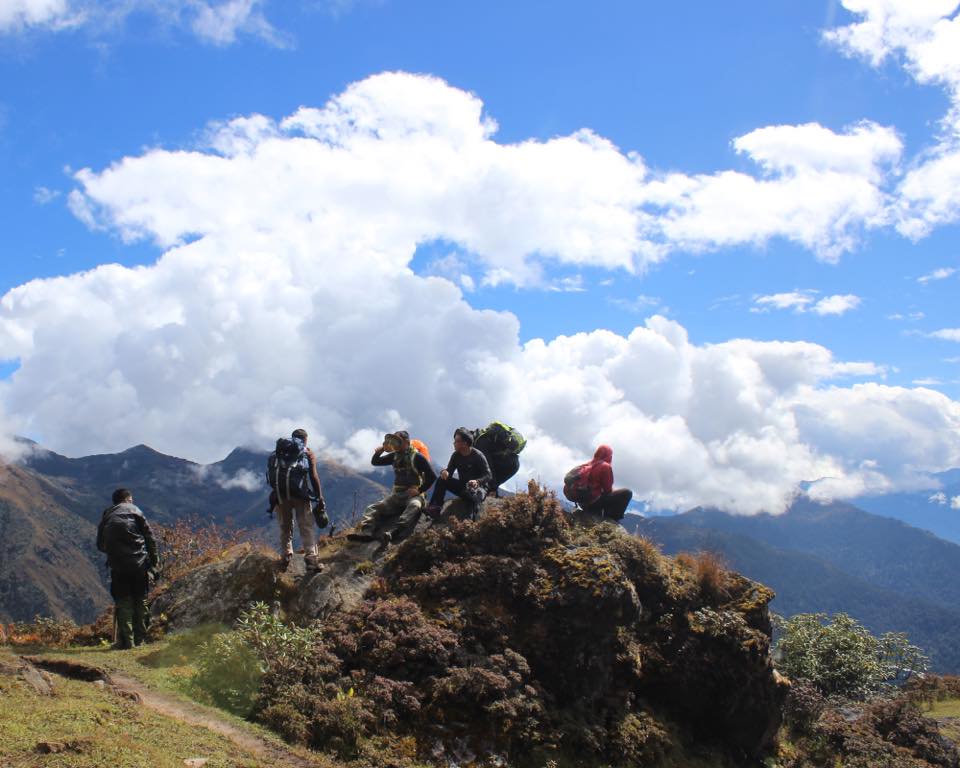
One of the key areas receiving increased attention is trekking tourism. To harness the potential of Bhutan’s trekking industry, the government has invested Nu. 40 million in maintaining and improving trekking routes and campsites across the country.
Bhutan continues to position itself as a premium trekking destination by promoting its pristine environment, rich biodiversity, unique cultural heritage and exclusive mountain experiences in line with the country’s High Value, Low Volume tourism policy.
“We are marketing Bhutan’s trekking experiences through international travel fairs, digital campaigns, familiarisation trips for tour operators and international media, and close collaboration with Tourism Bhutan’s overseas representatives,” a MoICE official said.
Trekking tourism offers Bhutan an opportunity to achieve sustainable economic growth while protecting its natural environment, cultural heritage and traditional way of life. Unlike conventional tourism, trekking takes visitors into remote landscapes, allowing rural communities to directly benefit while strengthening conservation efforts.
Many iconic trekking routes pass through villages, highland settlements and protected areas where economic opportunities are limited. Trekkers require services such as local guides, cooks, horse handlers, accommodation providers, transport operators and suppliers of local products.
This creates employment and income opportunities for communities located far from major economic centres.
Because trekking visitors often undertake multi-day journeys, they contribute to local economies through spending on accommodation, meals, transportation, cultural experiences and community services. This helps distribute tourism benefits more widely and supports inclusive rural development.
To maintain Bhutan’s reputation as a world-class sustainable tourism destination, regular trail maintenance, improved visitor safety measures, waste management initiatives and training programmes for trekking guides and tourism service providers are being carried out.
Several trekking routes have already been enhanced under the programme, including trails towards Dodedra, the Omba Nye Trail and the Toorsa–Pachu Trail. Other initiatives include renovation of canopies along the Phajoding Trail, development of the Kalyan Yongba Hiking Trail, maintenance of the Kikila–Tharpaling Trail and Padtsheling–Jamshon Trail, and development of an eco-trail and supporting infrastructure from Khidung to Singye Dzong.
Creating New Experiences Across Bhutan
Beyond trekking, Bhutan is expanding its tourism offerings through new attractions and thematic experiences designed to encourage visitors to explore different regions of the country.
The Department of Tourism has intensified destination marketing through international campaigns, digital promotions, overseas roadshows and collaborations with international tour operators and airlines.
New tourism products are being packaged into thematic travel itineraries to encourage visitors to move beyond traditional destinations and discover different dzongkhags. This approach aims to increase average length of stay while spreading tourism revenue more evenly across communities.
A number of new experiences and facilities have already been introduced, including the Festival of Flavors, Fertility Festival, Great Yeti Quest, and astro-tourism initiatives through mobile astronomy services developed in collaboration with DSP and GovTech.
Other developments include the Samdrup Jongkhar Summer Festival, viewing deck at Zilukha Viewpoint, restroom facilities at Tangrimochen Lhakhang in Bumthang, and a viewing deck with restroom facilities at a viewpoint in Nanglam, Pemagatshel.
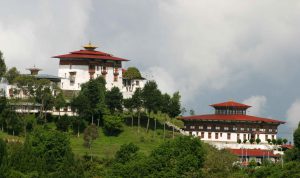
Additional tourism infrastructure includes enhanced boating facilities at Lampelri Recreational Park, construction of a café, restroom and sales outlet at Wolakha Nunnery, development of an eco-park at Zomlingthang in Punakha, and a viewpoint and footpath around Punakha Dzong.
Building Skills for the Future of Tourism
As tourism expands, Bhutan is also focusing on preparing its workforce to meet changing industry demands.
MoICE is strengthening skills across the tourism value chain through training and certification programmes for tourist guides, homestay operators, hospitality professionals and other service providers.
“We are investing in skills development and certification programmes for tourist guides, homestay operators, hospitality professionals and other tourism service providers. These initiatives are designed to improve service quality while creating sustainable employment opportunities for Bhutanese youth,” a MoICE official said.
Training in emerging tourism segments, including astro-tourism and sustainable tourism practices, is also being expanded to enable young Bhutanese to access higher-value employment and entrepreneurial opportunities.
Community participation remains central to Bhutan’s tourism strategy. Local communities are being supported to provide homestays, guiding services, handicrafts, cultural performances, transport services and local cuisine, ensuring that tourism becomes a source of livelihood beyond major towns.
As Bhutan continues to invest in tourism experiences, infrastructure and human capital, the sector is expected to become an even stronger pillar of the economy.
The country’s future tourism journey is not simply about attracting more visitors; it is about creating meaningful experiences, protecting its natural and cultural treasures, and ensuring that tourism growth contributes to the wellbeing of communities and future generations.
Sherab Dorji, Thimphu