

Bhutan may have achieved 100 percent electrification in 2016, but firewood remains a major source of household energy, particularly in rural communities where traditional stoves and bukharis continue to be used for cooking and heating.
A new pilot initiative is seeking to bridge that gap by making electric cooking a more practical alternative for rural households.
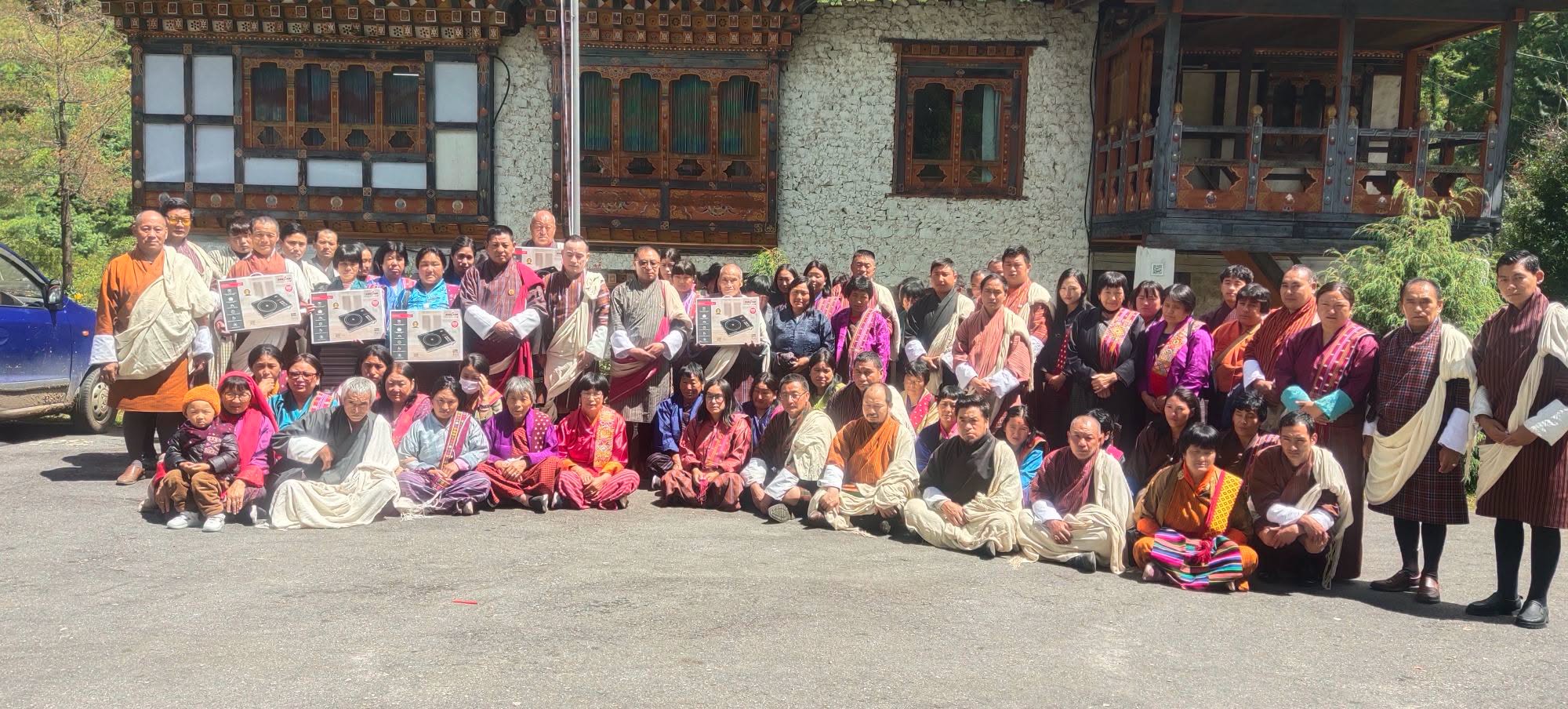
The Horticulture Association of Bhutan (HAB), in partnership with Planethos Private Limited of India, has launched a pilot programme to distribute Planethos Clean Cooking electric stoves to households in Chumey Gewog in Bumthang and Gangtey Gewog in Wangdue Phodrang. The distribution began in Chumey on September 7, 2026 and continued in Gangtey on September 8, with about 100 households in each gewog receiving the stoves.
The stoves are being provided at a subsidised price of Nu 600, against an estimated actual cost of more than Nu 3,400. The initiative aims to reduce dependence on firewood and LPG while improving indoor air quality, household health and forest conservation. It is also intended to reduce carbon emissions and the time and labour rural families spend collecting firewood.
For residents, however, the attraction is more immediate: a cleaner, quieter and potentially cheaper way of cooking.
Tenzin Choden, 53, of Nangna village in Chumey, said the electric stove had made cooking easier for households that received it. With LPG prices rising, she said, the subsidised stove offered rural families a more affordable alternative.
“Getting an advanced electric stove at a cheaper rate is quite beneficial,” she said.
Choney Dema, another resident, said the stove was particularly welcome in households accustomed to traditional stoves and bukharis. “We suffocated while using the bukhari and traditional stove. It is convenient to use, cheaper, and this electric heater has no sound unlike other stoves,” she said.
For Karma Choden of Domkhar village, cleaner cooking is especially important for families with children.
“Cooking with firewood is suffocating and unhygienic, especially for children. Now people can maintain health and hygiene,” she said.
The benefits could extend beyond the kitchen. Thinley Penjor of Domkhar said reducing firewood consumption would contribute to protecting forests.
In Gangtey, residents also highlighted the time saved from collecting fuelwood. Pema Selden said the task was particularly demanding for women with children.
“Being a woman and having children makes it difficult to manage time for firewood collection. Collecting firewood is labour intensive,” she said. She said eliminating smoke from traditional cooking would also create a healthier environment for children.
For Sangay Dorji, who is from Mongar and currently staying in Gangtey for spiritual pursuits, spending less time collecting firewood would allow more time for his practice.
“This initiative definitely will help conserve forests,” he said.
According to the National Statistics Bureau’s Annual Environmental Accounts 2025, Bhutanese households consumed more than 71,000 cubic metres of fuelwood in 2024, equivalent to roughly 7,000 truckloads of firewood. Households also consumed more than 8,300 metric tonnes of LPG and more than 250 kilolitres of kerosene during the year.
The continued reliance on traditional biomass carries environmental and health costs. Inefficient wood-burning stoves produce smoke and indoor air pollution, while fuelwood collection places additional physical and time burdens on rural households.
A recent study by the Jigme Singye Wangchuck School of Law, in partnership with the International Centre for Integrated Mountain Development (ICIMOD), highlighted the scale of biomass use in rural and highland communities.
Presented during a national consultation on air quality, health equity and clean energy in Thimphu in August, the study found that traditional wood-burning stoves could consume between 13 and 57 kilograms of firewood per household each day. Himalayan rocket stoves, by comparison, consume between 8 and 25 kilograms a day and could reduce firewood consumption by up to 50 percent.
The study also found that firewood remains a major energy source even in communities connected to the electricity grid.
Local authorities see the electric stove pilot as having benefits beyond reducing firewood use.
Bumthang Dzongdag Ratna Bahadur Gurung said greater use of electric stoves could reduce dependence on LPG while also helping prevent fire incidents and protect biodiversity. Chumey Gup Jampel said the initiative could encourage greater use of electricity, reduce LPG imports and limit the outflow of money from the country while supporting forest conservation.
HAB President Tshering Wangchuk said the project could help reduce tree-felling and improve indoor air quality in rural homes. “The project can help reduce tree-felling and protect our forests. The electric cookstoves will be helpful for rural people because they will not produce indoor pollution,” he said.
If that transition takes hold, the impact could extend well beyond the 200 households covered by the pilot—reducing pressure on forests, improving indoor air quality, saving household labour and increasing the use of Bhutan’s renewable electricity.
Sangay Rabten, Bumthang