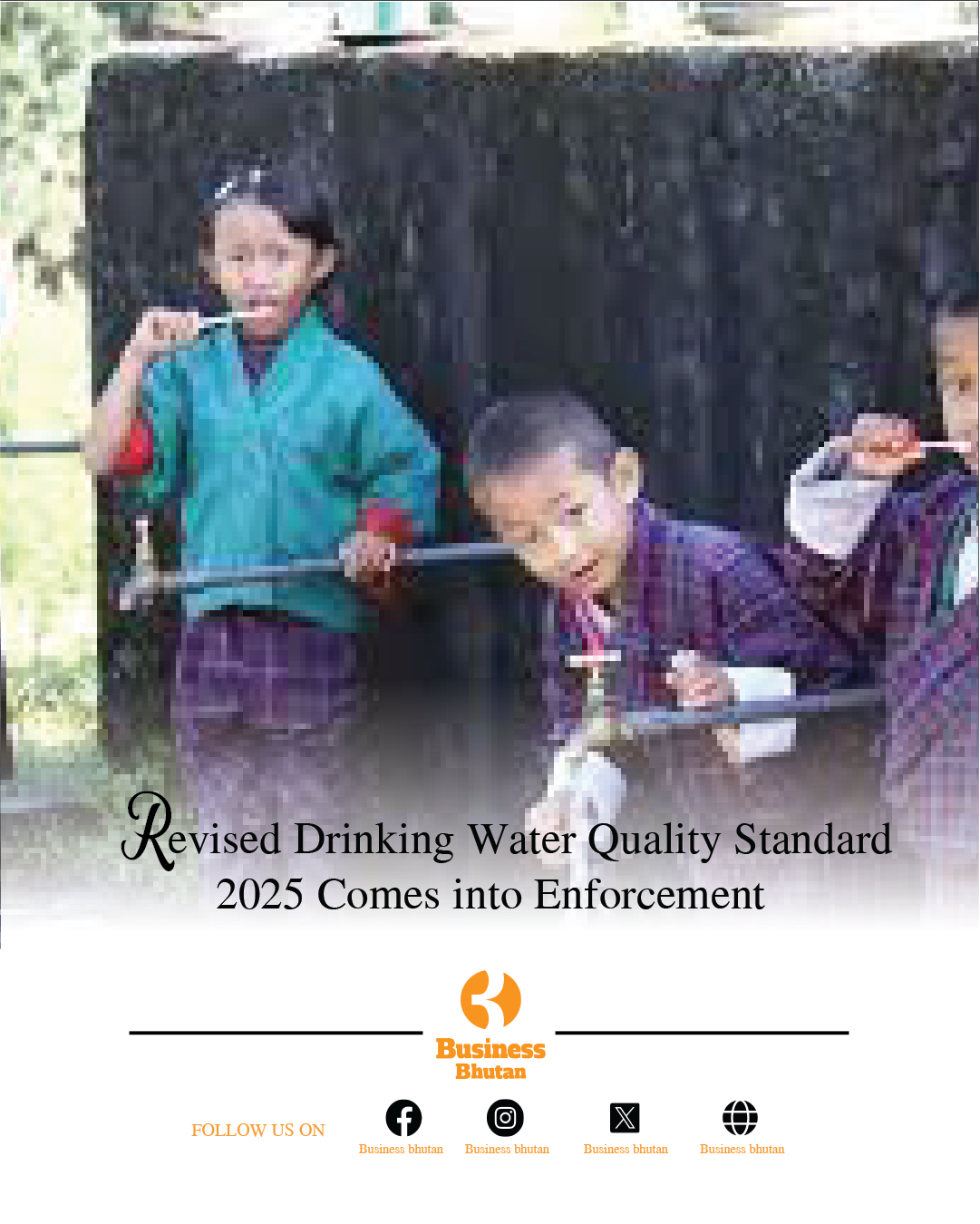
The country has taken a decisive step toward enhancing public health and environmental safety with the immediate enforcement of the Bhutan Drinking Water Quality Standard (BDWQS) 2025. The updated standard, endorsed during the 3rd National Environment Commission (NEC) meeting on June 9, 2025, replaces the BDWQS 2016 and introduces more rigorous, science-based parameters to ensure safer and more reliable drinking water across the country.
The directive has been circulated widely to ministries, local government bodies, health institutions, and sectoral offices to ensure uniform implementation across the country.
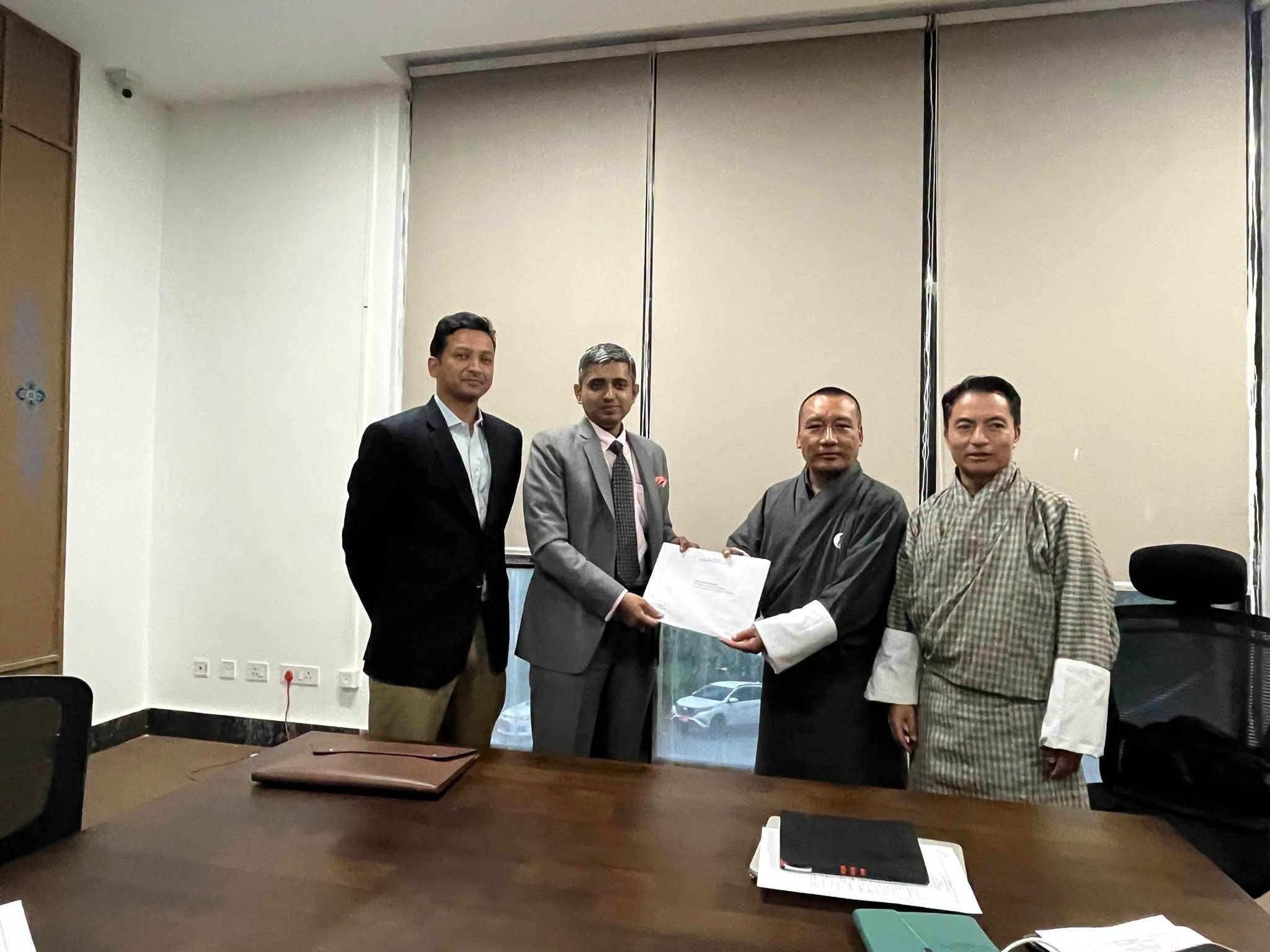
The government has directed all implementing agencies to comply with the BDWQS 2025 within three months—by February 19, 2026. The enforcement applies to Department of Infrastructure Development; Department of Public Health; Royal Centre for Disease Control; Hospitals and Primary Health Centers; Thromde Administrations; Dzongkhag Administrations; and, Gewog Administrations.
The transition period allows agencies to realign their testing facilities, strengthen water treatment protocols, and update monitoring and reporting systems.
The revision comes at a critical time, as Bhutan continues to balance rapid urbanization, rising water demand, and the need for consistent water quality monitoring. While the country enjoys abundant freshwater sources, seasonal contamination, infrastructure limitations, and variable testing capacities remain persistent challenges, especially in growing peri-urban and rural communities.
According to the Department of Water under the Ministry of Energy and Natural Resources (MoENR), the new standard reflects both global best practices and Bhutan’s evolving water realities. “BDWQS 2025 is not just an update—it is a national commitment to safeguard the health of every Bhutanese,” an official said. “As our country grows, so must our systems for ensuring consistent and scientifically robust water quality.”
Emphasizing the urgency of the transition, a ministry official noted: “Strict implementation of the updated standards is essential. We urge agencies to begin immediate alignment of their testing, monitoring, and reporting systems.”
The Department of Water also encouraged agencies to seek support where needed. “We are ready to provide technical guidance to ensure smooth and effective implementation across all districts,” the official added.
Stressing the urgency of early action, the official added that strict implementation of the updated standards is essential as water quality affects every household, every school, and every community. “We urge all agencies to begin immediate alignment.”
In recent years, water quality monitoring has revealed occasional fluctuations in microbial contamination, turbidity, and chemical parameters in certain regions. While many dzongkhags report good water quality for most of the year, inconsistent treatment processes and ageing distribution systems remain national concerns.
The new BDWQS 2025 sets clearer thresholds, more frequent testing requirements, and stricter protocols for contamination response. It also emphasizes public accountability, requiring agencies to maintain transparency in reporting results to relevant stakeholders.
A senior water specialist noted, “Reliable drinking water is fundamental to public health. These strengthened standards will help reduce water-borne diseases and improve the overall resilience of Bhutan’s water supply systems.”
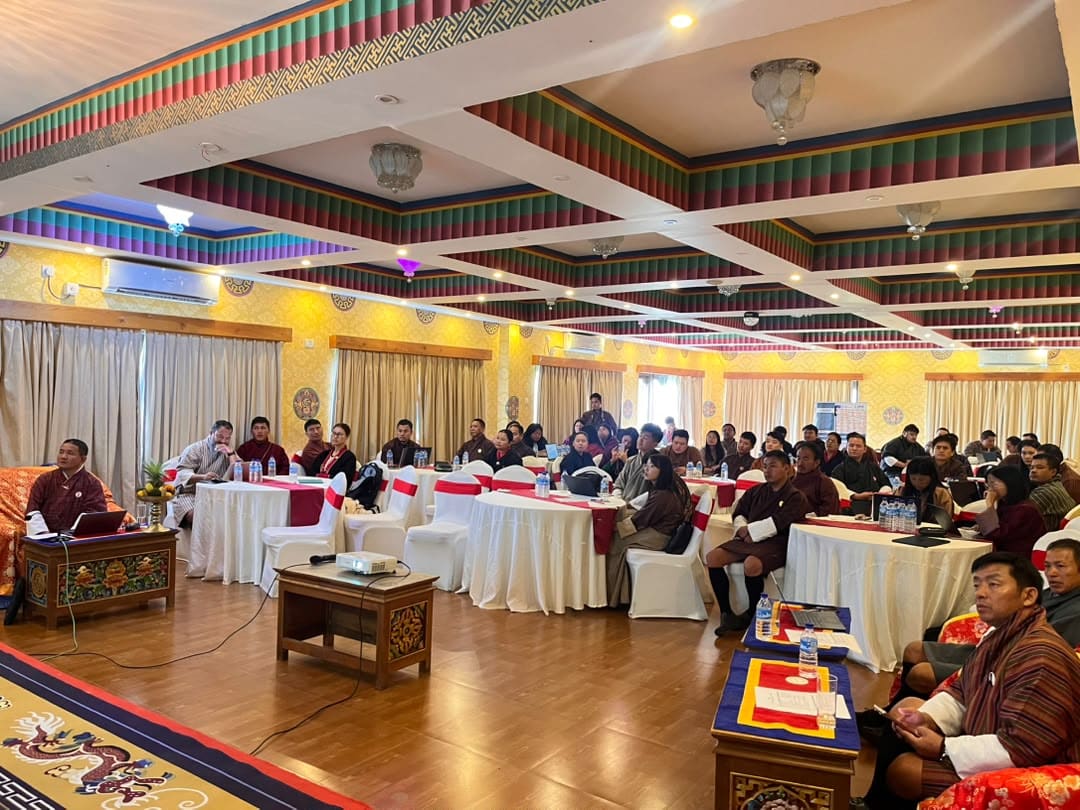
To ensure smooth adoption of the new standards, the Department of Water has pledged technical support to agencies across the country. “We understand that some districts and rural areas may need additional guidance,” the official added. “Our team is ready to assist with training, testing protocols, and alignment of national monitoring frameworks.”
Meanwhile, observers say that the initiative marks a strong step toward strengthening national water security, reducing public health risks, and fulfilling the broader national vision of ensuring safe, reliable, and clean drinking water for every citizen.
Tashi Namgyal
From Thimphu