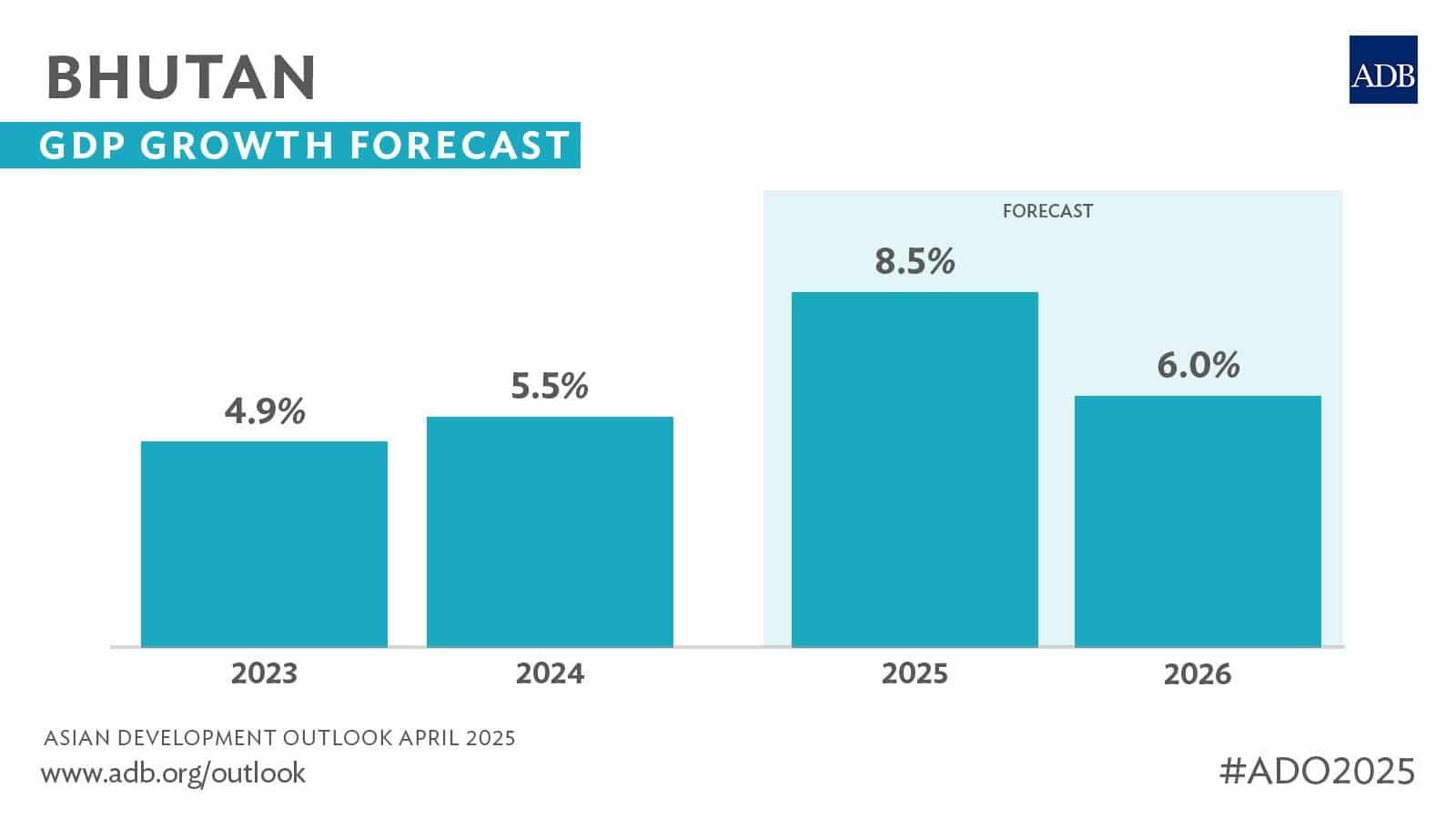
Economic pundits did not have this in their prediction. But it happened and 2025 will now be remembered as a landmark year for Bhutan’s economy, marked by resilience, strategic growth, and record-breaking achievements. Across hydropower, tourism, agriculture, finance, and digital innovation, Bhutan demonstrated that careful planning, sustainable policies, and visionary leadership can deliver both prosperity and well-being. With Gross National Happiness as the guiding principle, the nation achieved economic outcomes that balanced growth with equity and sustainability.
Bhutan’s macroeconomic performance in 2025 reflected robust stability and fiscal prudence. The national GDP grew by 6.5%, driven largely by hydropower exports, tourism recovery, and private sector expansion. Inflation remained moderate at 3.2%, while the fiscal deficit was kept under 3% of GDP, reflecting prudent financial management.
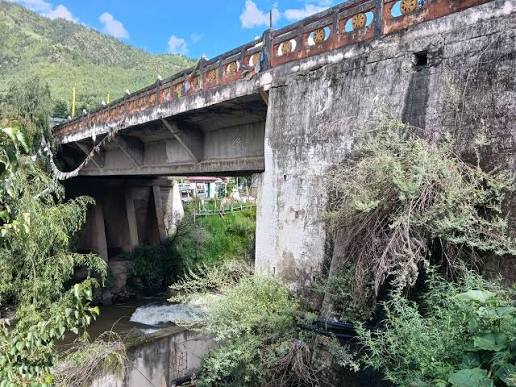
The Ministry of Finance (MoF) reported that 85% of the capital budget for FY 2024–25 was successfully utilized, translating into completed infrastructure projects, schools, hospitals, and roads that directly benefited citizens. Additionally, new reforms to modernize taxation, including the introduction of Goods and Services Tax (GST) and Excise Tax, are expected to expand the tax base by 15–20%, improve compliance, and boost annual revenue by an estimated Nu 4.5 billion.
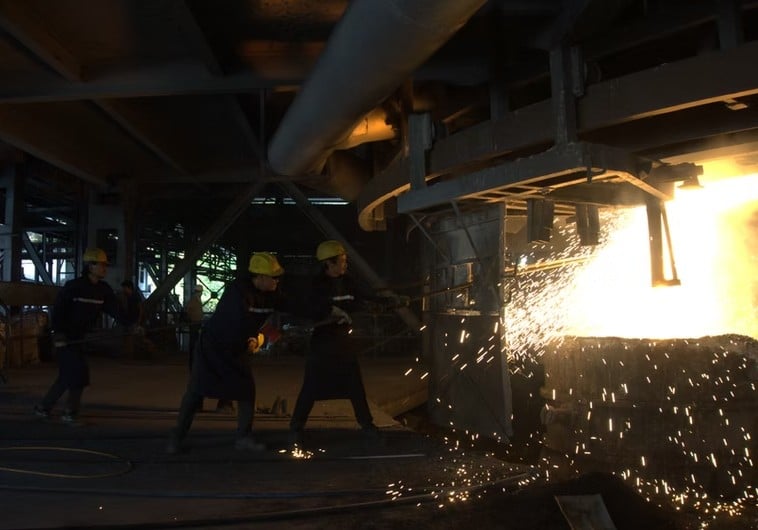
Hydropower continued to underpin Bhutan’s economic success. The Nikachhu Hydropower Plant (118 MW) began operations in December 2025, generating over 75 million units of electricity annually, while the Suchhu Plant (18 MW) added much-needed energy for domestic consumption and export. Revenue from hydropower exports, primarily to India, contributed Nu 820 million to national coffers from the Punatsangchhu-II project alone.
Progress on larger projects, such as KhorloChhu (600 MW) and Dorjilung (1,125 MW), is expected to elevate Bhutan into a regional energy hub by 2030, positioning the country to generate over 20,000 MW of clean energy in the next two decades. These projects not only strengthen Bhutan’s economy but also solidify its role as a sustainable energy partner in South Asia.
After pandemic-related disruptions, Bhutan’s tourism sector rebounded strongly in 2025. Visitor arrivals reached 165,000, a 25% increase over 2024, generating approximately Nu 2.8 billion in tourism revenue. Strategic partnerships, such as Drukair’s collaboration with Singapore’s Chan Brothers Travel, facilitated over 1,500 tourists through chartered flights, emphasizing high-value, and sustainable travel.
Cultural festivals—the Black Mountain Festival, Royal Highland Festival, and Global Peace Prayer Festival—attracted both domestic and international audiences, promoting Bhutan’s heritage and natural landscapes. Recognition from the National Geographic Traveler Golden Travel Route Award further cemented Bhutan’s global reputation as a destination offering authentic and immersive experiences.
The agriculture and livestock sectors supported rural resilience and nutrition. Programs like One-Child, One-Egg, climate-resilient farming initiatives, and crop insurance benefited over 45,000 farmers nationwide, increasing agricultural productivity by 12% compared to 2024. Market linkage projects and mechanization, including distribution of mini power tillers to 1,200 farmers, strengthened rural economies while ensuring sustainable practices.
Livestock development, including the rollout of the Bhutan Standards for Animal Feeds 2025 improved quality and productivity, contributing to a 10% increase in meat and dairy output. These efforts underscore Bhutan’s ability to combine tradition with innovation for inclusive growth.
Bhutan strengthened international economic partnerships in 2025. The government secured USD 300 million from the World Bank for transport and trade connectivity projects, and collaborated with the Asian Development Bank to fund hydropower and infrastructure initiatives. Private sector engagement, including agreements with the International Finance Corporation (IFC), is expected to mobilize an additional Nu 2.1 billion in investment over the next five years.
Financial prudence remained evident: 304 financial audits and 79 compliance audits conducted by the Royal Audit Authority (RAA) ensured transparency in government spending, reinforcing investor confidence and public trust.
Digitalization accelerated economic diversification. Bhutan’s first International Hackathon involved 13 teams creating applications using the National Digital Identity (NDI) platform, with solutions expected to enhance public service delivery and promote entrepreneurship. Over 1,500 teachers and youth participated in digital literacy programs, boosting employability and innovation capacity across sectors.
As Bhutan concludes 2025, the economy stands as a model of resilience, inclusivity, and sustainability. Hydropower and solar projects are on track to meet ambitious clean energy targets, tourism is rebounding, agriculture is modernizing while preserving traditions, and fiscal reforms are strengthening governance.
The year also demonstrated that economic growth in Bhutan is not merely about numbers—it is about improving quality of life, enhancing opportunities, and fostering national well-being. By aligning innovation with tradition, and growth with environmental stewardship, Bhutan has positioned itself as a small nation with big ambitions, proving that prosperity can coexist with happiness, equity, and sustainability.
In 2025, Bhutan’s economy did more than expand—it thrived, showcasing the power of visionary policies, strategic partnerships, and a people-centered approach to development.
Sherab Dorji
From Thimphu