Lyonchhoen shares that no one knows the importance of opposition party better than him
Many say that for democracy to become vibrant, the role of opposition is relevant, and that the government should engage the opposition in terms of policy decisions and national prioritizations. The relationship between the government and the opposition is crucial for ensuring a healthy, functioning democratic system. Ideally, this relationship should be characterized by several key elements.
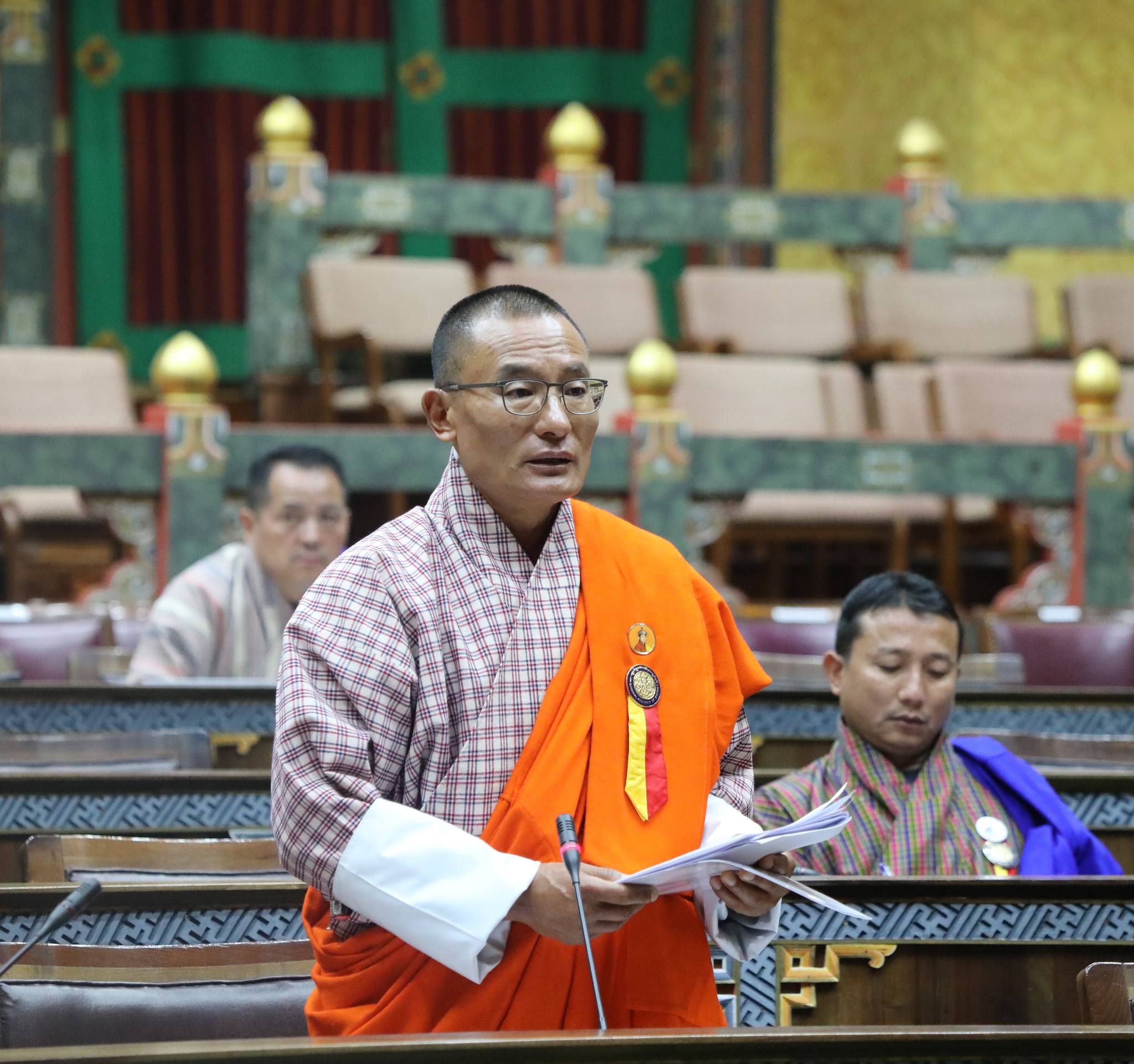
Acknowledging the importance of opposition in a democratic setup, Prime Minister (PM) Dasho Tshering Tobgay said that no one knows better than him the role an opposition party plays in democracy, having been in the two-man opposition party during the first democratically elected government’s term in 2008.
For any government to succeed, Lyonchhoen said that the opposition is one main driving force behind it. If the government falters, then it also is the responsibility of the opposition to bring them on track. “Without an opposition, there’s no democracy and it is likewise.”
Lyonchhoen said that while the opposition’s job is mainly in the parliament where important national decisions are made, there are also many committees and sub-committees outside the purview of the parliament house where opposition members are constantly engaged and working in close collaboration with the government.
The PM said that opposition members are also invited for official ceremonies and get-togethers in order to maintain the close bond, reiterating upon the recently concluded 13th FYP coordination meeting between the Local Government (LG) leaders and the government, where the opposition members were officially invited to meet with the LG leaders and also witness the unveiling and launching of the 13th FYP.
“Whether it is in the parliament hall or anywhere else, we provide them the time and platform to put questions or share their thoughts with us on any subjects and in any means available.”
Personally, Lyonchhoen said that he makes it a point to visit the Opposition Leader’s (OL) office whenever he can, and it is reciprocrated in the same manner by the OL. “That way, we can keep in constant touch with each other, shelve out differences and share ideas of mutual benefit for the larger interest of the nation.”
Asked on policy and governance, a serving opposition member said that the government should prioritize effective policy-making and governance, working to address the needs and concerns of the public, and should avoid engaging in political maneuvers that undermine the opposition.
“At the same time, the opposition should focus on policy issues and governance, using its platform to propose alternatives and improvements rather than engaging in purely political attacks,” he said.
According to a former Member of Parliament (MP), there should be space for enough constructive criticism to flourish from both sides.
For the government’s part, they should be open to scrutiny and constructive criticism from the opposition. This helps in identifying flaws, improving policies, and ensuring that decisions are made transparently and in the public interest. The opposition should provide constructive criticism, offering alternative solutions and policies rather than merely opposing everything proposed by the government. This helps to foster a more robust debate on national issues.
Forging a deep and mutual respect, the former MP said that the government should respect the role of the opposition as a legitimate and necessary component of the democratic process. This includes acknowledging their right to question and challenge policies. In the same manner, the opposition should respect the mandate given to the government by the electorate. They should engage in debates and critiques in a manner that acknowledges the government’s role and authority.
Most parliamentarians agreed that through collaboration and consensus, while the government has its agenda, it should be willing to seek common ground and collaborate with the opposition on key issues, particularly those of national importance. The opposition should be open to collaboration on issues where consensus can be achieved, contributing to the development of balanced and inclusive policies.
It is also widely acknowledged that the government should ensure that the opposition’s rights are protected, including the freedom of speech and assembly, as these are fundamental to a functioning democracy. On the other hand, the opposition should advocate for and respect civil liberties, understanding that their role includes safeguarding the rights of all citizens, including those in the government.
On engagements with public, experts shared that the government should engage with the public to understand their needs and concerns, and respond to them effectively, while the opposition should engage with the public to understand their perspectives and use this insight to challenge and improve government policies.
“A healthy relationship between the government and the opposition is essential for a thriving democracy. It involves mutual respect, constructive engagement, and a commitment to democratic principles and accountability. Both sides have important roles to play in ensuring that governance is effective, transparent, and responsive to the needs of the people,” a political science professor reiterated.
By Tashi Namgyal, Thimphu