Since the Covid 19 pandemic, Bhutan’s tourism sector has been struggling. 2025 saw the sector gain weight. It was a year where culture, recognition, and sustainability converged to showcase the kingdom’s unique charm on the global stage. From vibrant festivals to international awards, Bhutan has strengthened its identity as a destination that offers authentic, soulful, and eco-conscious travel experiences, aligned with its philosophy of Gross National Happiness.
The year began with a prestigious highlight as the Druk Neykor Programme received the 2024 National Geographic Traveler Golden Travel Route Award at Beijing’s Bvlgari Hotel. Celebrating mindful and spiritual journeys under the theme “The Faraway Nearby,” the award reinforced Bhutan’s growing reputation as a destination where spirituality, culture, and nature coexist harmoniously.
Bhutan’s storytelling prowess also captured international attention. The national brand film, “Bhutan Believe,” filmed in Gangtey and Bumthang, won a Silver award at the 2025 US International Awards and became a finalist at the Cannes Corporate Media & TV Awards, positioning Bhutan as a hub of cinematic storytelling that celebrates natural beauty and cultural authenticity.
Bhutan’s cultural scene flourished throughout 2025. In April, the country hosted its first-ever Rhododendron Week in Merak and Sakteng, enchanting visitors with forests in full bloom, folk music, traditional dances, and local delicacies. The same month, the Haa Spring Festival brought communities together in joy and tradition, with Prime Minister Tshering Tobgay officiating the event.
The 10th Rhododendron Festival at Thimphu’s Royal Botanical Park drew both local and international visitors, combining floral exhibitions, traditional textiles, art, and nature walks, celebrating biodiversity and cultural richness. Later in October, festivals such as the Black Mountain Festival in Trongsa, Jhomolhari Mountain Festival, and Royal Highland Festival in Laya highlighted the resilience of Bhutan’s highland communities through yak races, indigenous games, music, and dance.
Bhutan’s commitment to sustainable tourism deepened in 2025. The Matsutake Mushroom Festival in Genekha combined foraging, local cuisine, and cultural performances, promoting community participation. The Regenerative Bhutan Forum emphasized eco-friendly tourism practices, while the launch of the Bhutan Green Hotel Standard inspired environmentally conscious practices across the industry.
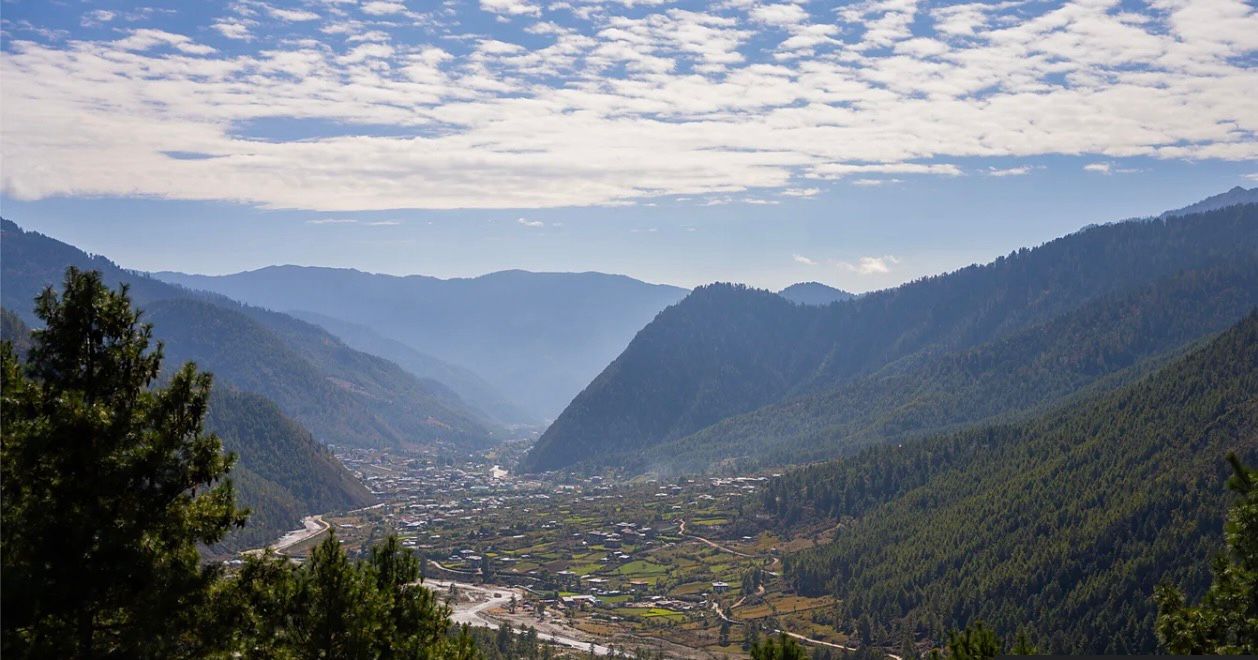
The Black-Necked Crane Festival in Phobjikha Valley and the Bhutan Bird Festival in Zhemgang highlighted Bhutan’s biodiversity, inviting nature enthusiasts to witness conservation in action. These initiatives showcased Bhutan’s unique ability to blend cultural preservation with environmental stewardship.
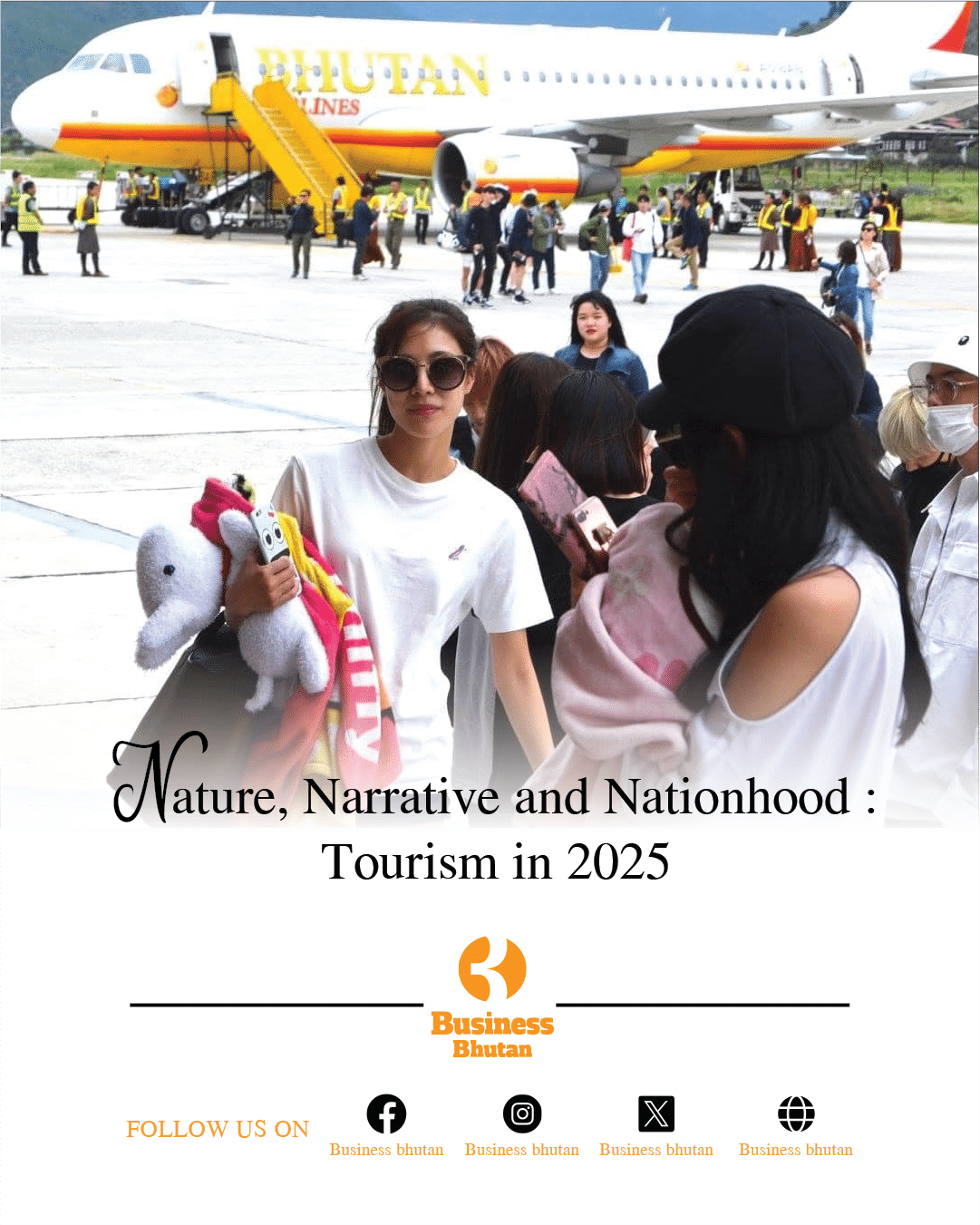
Tourism collaborations flourished in 2025. In July, Drukair signed a two-year charter agreement with Singapore’s Chan Brothers Travel, bringing over 1,500 tourists and strengthening Bhutan’s presence in key international markets. Participation in the 19th International Travel Expo in Vietnam and the country’s award-winning Expo 2025 Pavilion in Osaka, Japan—which won a Bronze Award for its theme “Saving Lives for a Happy Future”—highlighted Bhutan’s global engagement.
In November, the Global Peace Prayer Festival brought together spiritual leaders in a ceremony of hope and harmony, reflecting Bhutan’s role as a spiritual and cultural beacon. The Druk Wangyel Tshechu at Dochula Pass in December concluded the year with a spectacular display of mask dances and sacred rituals, immersing visitors in Bhutan’s spiritual heritage.
From international recognition to vibrant festivals, Bhutan’s tourism sector has demonstrated resilience, innovation, and unwavering commitment to cultural and environmental values. The year showcased how Bhutan can offer visitors experiences that are authentic, sustainable, and transformative, leaving lasting impressions on travelers and the global community alike.
As Bhutan moves forward, the 2025 journey proves that its tourism is not just about destinations—it is a celebration of culture, conservation, and community, creating meaningful experiences that honor the past while embracing a sustainable future.
Sherab Dorji
From Thimphu