Bhutan’s financial landscape, could not be more positive than what it was in 2025. From modernizing taxation to expanding hydropower revenue, and from improving budget utilization to fostering global collaborations, the Ministry of Finance (MoF) has set the stage for a sustainable and resilient economic future.
This year, the Finance Ministry focused on effective allocation and utilization of public funds. Around 85% of the capital budget for FY 2024-25 was utilized, reflecting strong implementation of development projects across the country.
To enhance efficiency, new performance indicators were introduced, requiring government agencies to achieve at least 90% of their planned budget utilization. These measures ensure funds are spent responsibly, accelerating critical infrastructure and public service projects.
The Ministry also streamlined procurement processes, cutting tendering timelines nearly in half, while decentralized recruitment ensured skilled personnel were available to manage complex projects. This combination of planning, efficiency, and human resource optimization has strengthened Bhutan’s financial management framework.
2025 marked the beginning of a major tax overhaul, with the transition from the Sales Tax and Green Tax to the Goods and Services Tax (GST) and Excise Tax, set to take effect in January 2026. The reforms aim to create a fairer, simpler, and more transparent system for citizens and businesses.
A nationwide awareness campaign prepared the public for these changes, which will also remove old vehicle import quotas. The Excise Tax will focus on products harmful to health and the environment, including tobacco, alcohol, aerated drinks, and vehicles, promoting responsible consumption.
Additionally, the Income Tax Law was revamped to replace the outdated 2001 legislation. The new framework simplifies tax procedures, broadens the tax base, and encourages voluntary compliance, supporting both economic growth and equitable taxation.
Global collaboration played a pivotal role in Bhutan’s financial progress. The government signed a USD 300 million agreement with the World Bank to improve transport and trade connectivity, notably developing roads from Gelephu to Tareythang. This is the largest support Bhutan has ever received from the World Bank and will bolster infrastructure resilience and trade efficiency.
The country also launched a new partnership framework with the World Bank Group (2025-2029), focusing on private investment, climate resilience, and infrastructure development, aligned with Bhutan’s 13th Five Year Plan.
The Asian Development Bank (ADB) supported 16 new projects, including hydropower initiatives like Bunakha and Nyera Amari, critical to Bhutan’s goal of generating 20 GW of renewable energy by 2040. Bhutan also participated in the IMF and World Bank Annual Meetings in Washington, D.C., advocating for climate finance and signing agreements with the International Finance Corporation (IFC) to strengthen the private sector.
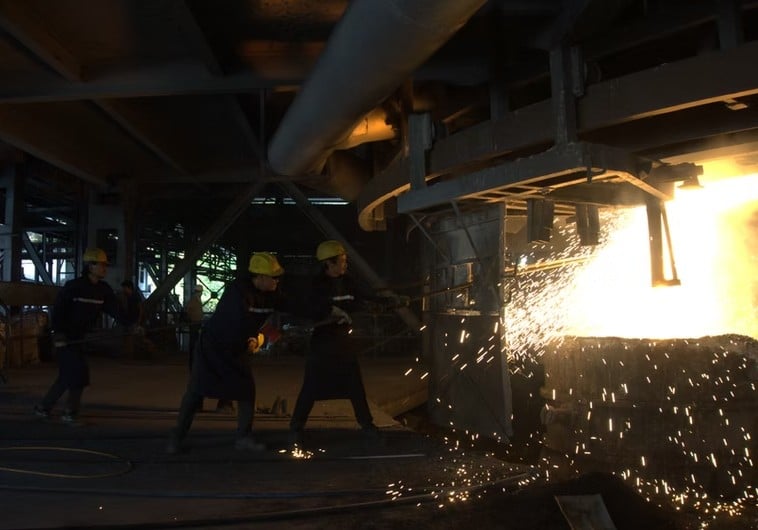
Hydropower continues to be a cornerstone of Bhutan’s economy. The Punatsangchhu-II Hydroelectric Project contributed Nu 820 million in revenue from energy sales this year. This revenue supports national development, demonstrates the success of Bhutan’s renewable energy sector, and reinforces the country’s energy independence and export potential.
The Ministry of Finance also prioritized healthcare and social development. Japan provided grants for medical equipment, including MRI and CT scanners, and ambulances, boosting Bhutan’s diagnostic and emergency response capacity.
Furthermore, agreements were signed to establish procurement and project management offices, improving government efficiency and transparency. These offices will enable faster and more accountable delivery of public services, ensuring better value for public funds.
Bhutan remains committed to building a sustainable and resilient economy. Focus areas include effective capital budget utilization, modernized tax collection, strategic investment in hydropower and infrastructure, and strengthened international partnerships.
The Ministry’s work in 2025 has laid a strong foundation for a prosperous future, demonstrating responsible management of public resources, forward-looking reforms, and the ability to leverage global collaborations for national development.
By balancing economic growth, social welfare, and environmental stewardship, Bhutan is setting an example of how a small nation can achieve robust economic transformation while protecting its cultural and natural heritage.
As 2025 closes, the Finance Ministry’s achievements highlight a year of progress, innovation, and strategic vision, positioning Bhutan on a path toward long-term prosperity, sustainable development, and regional economic leadership.
Sherab Dorji
From Thimphu