

On November 11, 2025, Druk Holding and Investments (DHI) marked its 18th anniversary. What began nearly two decades ago as a custodian of state-owned enterprises, today, DHI stands not only as the guardian of Bhutan’s most strategic assets but also as the architect shaping the nation’s entry into emerging industries such as high-performance computing, cryptocurrency, digital infrastructure, and global innovation networks. At a time when Bhutan is preparing for a bold new era defined by the Gelephu Mindfulness City (GMC), DHI’s 18-year journey reflects both continuity and reinvention – rooted in the country’s values yet oriented toward global opportunity.
DHI was established in 2007 with a clear mandate: to professionalize and strengthen the management of state enterprises, improve corporate governance, and generate sustainable returns for the Royal Government. During its early years, the focus was on consolidation, stability, and operational efficiency. Hydropower companies were reorganized under coherent management structures. Telecommunications services improved and expanded. The aviation sector modernized through Drukair. Financial institutions were streamlined and supported through strategic oversight. Manufacturing industries and mineral sectors were guided toward improved performance standards. These foundational efforts not only strengthened the domestic economy but also paved the way for DHI to adopt a more transformational role in later years.
The second decade of DHI’s growth has been defined by a significant shift in strategy. Recognizing the limitations of a small domestic market and the pressures of global economic change, DHI began deliberately expanding beyond conventional investments. The organization embraced emerging technology, digital infrastructure, and high-value innovation-led sectors. This strategic pivot has positioned Bhutan as an unexpected but increasingly credible participant in the global digital economy.
One of the most striking examples of this shift is DHI’s involvement in high-performance computing (HPC) and cryptocurrency mining. While crypto remains a subject of global debate, DHI’s approach has been measured, sustainability-driven, and grounded in the Kingdom’s natural advantage: clean, renewable hydropower. By leveraging surplus energy for computing and mining operations, DHI created a pathway for Bhutan to generate new streams of foreign currency earnings while maintaining its commitment to environmental responsibility. Unlike many global mining hubs powered by fossil fuels, Bhutan’s operations are anchored in green energy, giving DHI a unique credibility in a world increasingly concerned about carbon footprint and sustainability.
DHI’s growing emphasis on innovation is also reflected in its initiatives to nurture Bhutanese talent. Through DHI InnoTech and a range of other innovation labs, training programs, and partnerships with international firms, the organization has made deliberate efforts to prepare young Bhutanese for emerging industries. These programs aim to reduce the country’s reliance on traditional employment sectors and equip youth with globally relevant skills. By cultivating programmers, cybersecurity experts, data analysts, and digital product developers, DHI is investing not only in infrastructure but also in the human capital required to sustain Bhutan’s digital aspirations.
Perhaps the most transformative opportunity before DHI today is its role in the development of GMC, envisioned as a special economic zone grounded in Bhutan’s principles of environmental preservation and spiritual balance, while offering a platform for high-value industries ranging from biotechnology and education to information technology and sustainable manufacturing.
DHI’s participation in this project is multifaceted. The organization is expected to help design investment frameworks, construct foundational infrastructure, attract global partners, and ensure that the necessary digital and administrative systems are in place. The initiative aligns perfectly with DHI’s evolving mandate, which increasingly emphasizes innovation, global engagement, and economic diversification.
Another area where DHI stands out is the development and implementation of Bhutan’s National Digital Identity (NDI) system, a key initiative aimed at modernizing public services and enhancing digital security. Aligned with His Majesty The King’s vision for a secure digital society, the NDI enables citizens to verify their identity online using encrypted digital credentials, transforming access to government services, financial systems, and online platforms.
Of late, DHI has launched the DHI 10X Vision, a bold roadmap designed to multiply the nation’s economic, social, and technological impact tenfold. More than a growth strategy, the policy reflects DHI’s aspiration to position Bhutan as a globally competitive, innovation-driven, and sustainable economy, while remaining true to the country’s unique values and philosophy of Gross National Happiness.
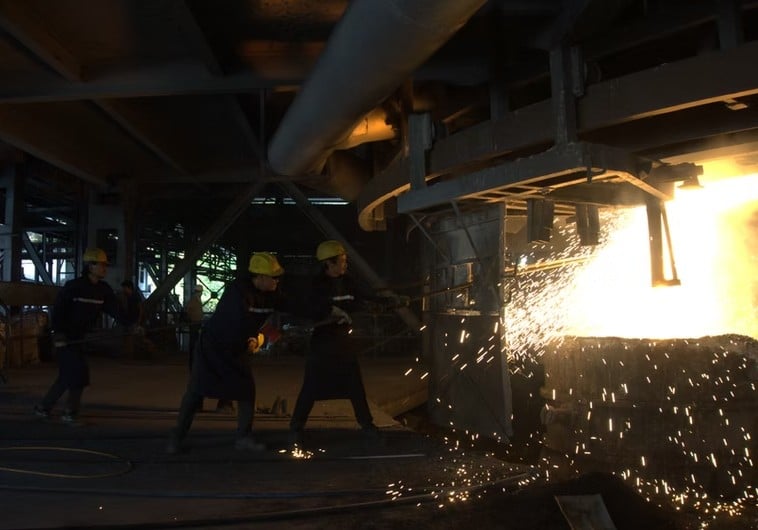
Despite these ambitious new directions, DHI continues to play a stabilizing role across Bhutan’s legacy sectors. Hydropower remains the backbone of the national economy and a major contributor to government revenue. Telecommunications, led by Bhutan Telecom and associated digital service companies, continue to modernize connectivity and digital access. Drukair maintains Bhutan’s aviation connectivity, an essential element for tourism and international engagement. Financial institutions under DHI’s oversight support economic stability and liquidity. Manufacturing and industrial sectors are being guided toward sustainability and value addition. DHI’s role in these traditional sectors ensures that Bhutan’s economic fundamentals remain strong even as the country explores new frontiers.
Ugyen Tenzin
From Business Bhutan