

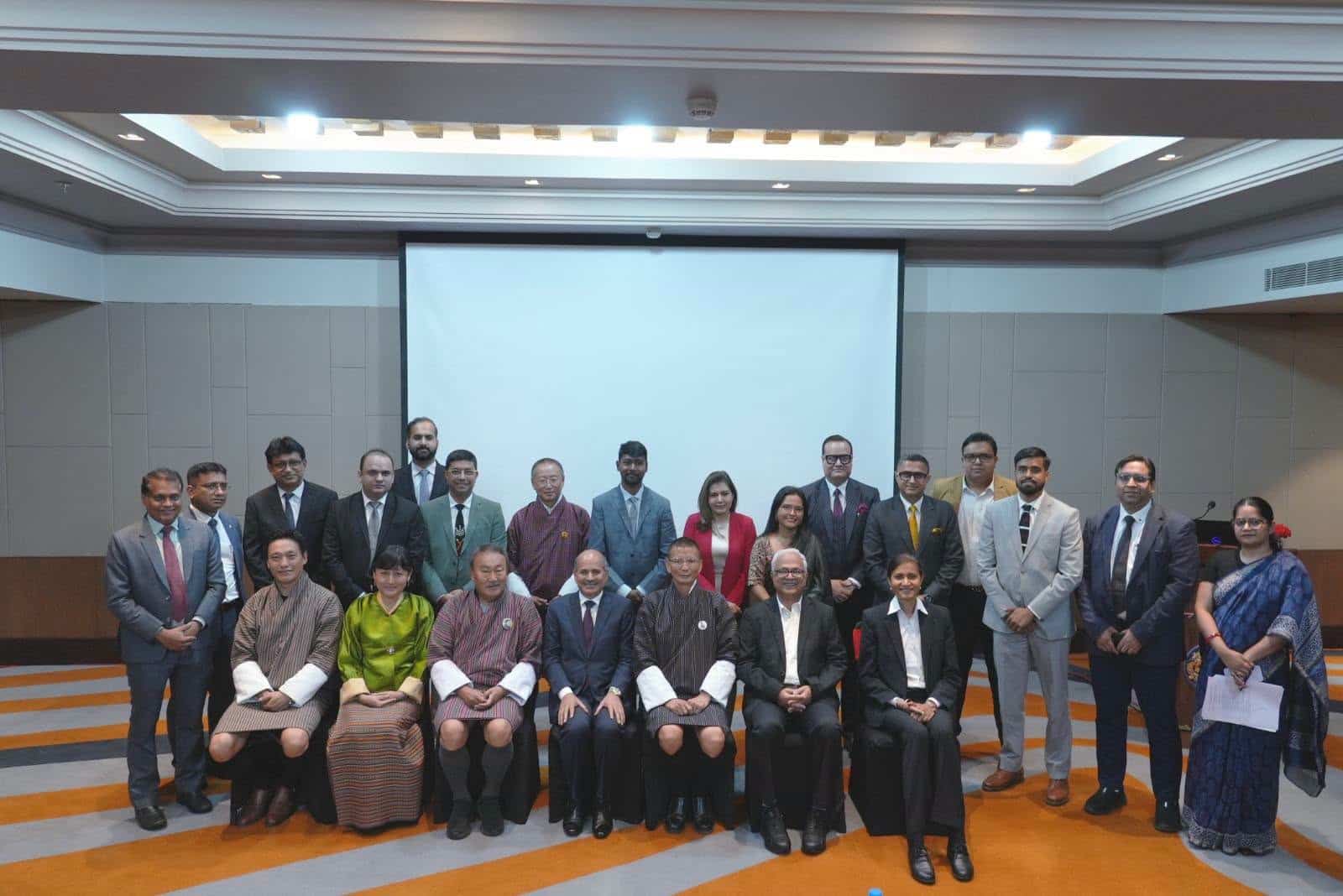
FICCI-led Indian delegation explores specialized treatment, capacity building and healthcare investment opportunities
Bhutan and India are set to deepen cooperation in healthcare, with a visiting Indian Medical Value Travel (MVT) delegation exploring ways to expand access to specialized medical treatment, strengthen technical capacity and develop new areas of institutional collaboration between the two countries.
A key outcome of the delegation’s visit is the prospect of 10 additional Indian hospitals joining Bhutan’s medical referral system, potentially giving Bhutanese patients a wider choice of specialized treatment facilities in India.
The Indian delegation, coordinated by the Federation of Indian Chambers of Commerce and Industry (FICCI), visited Bhutan on August 19 and 20, bringing together representatives from Yashoda Super Specialty Hospitals, Rajagiri Hospital, Neotia Getwel Hospital, Venkateshwar Hospital, Fortis Healthcare, Artemis Hospitals, Sri Balaji Action Medical Institute, Down Town Hospital and KareTrip.com.
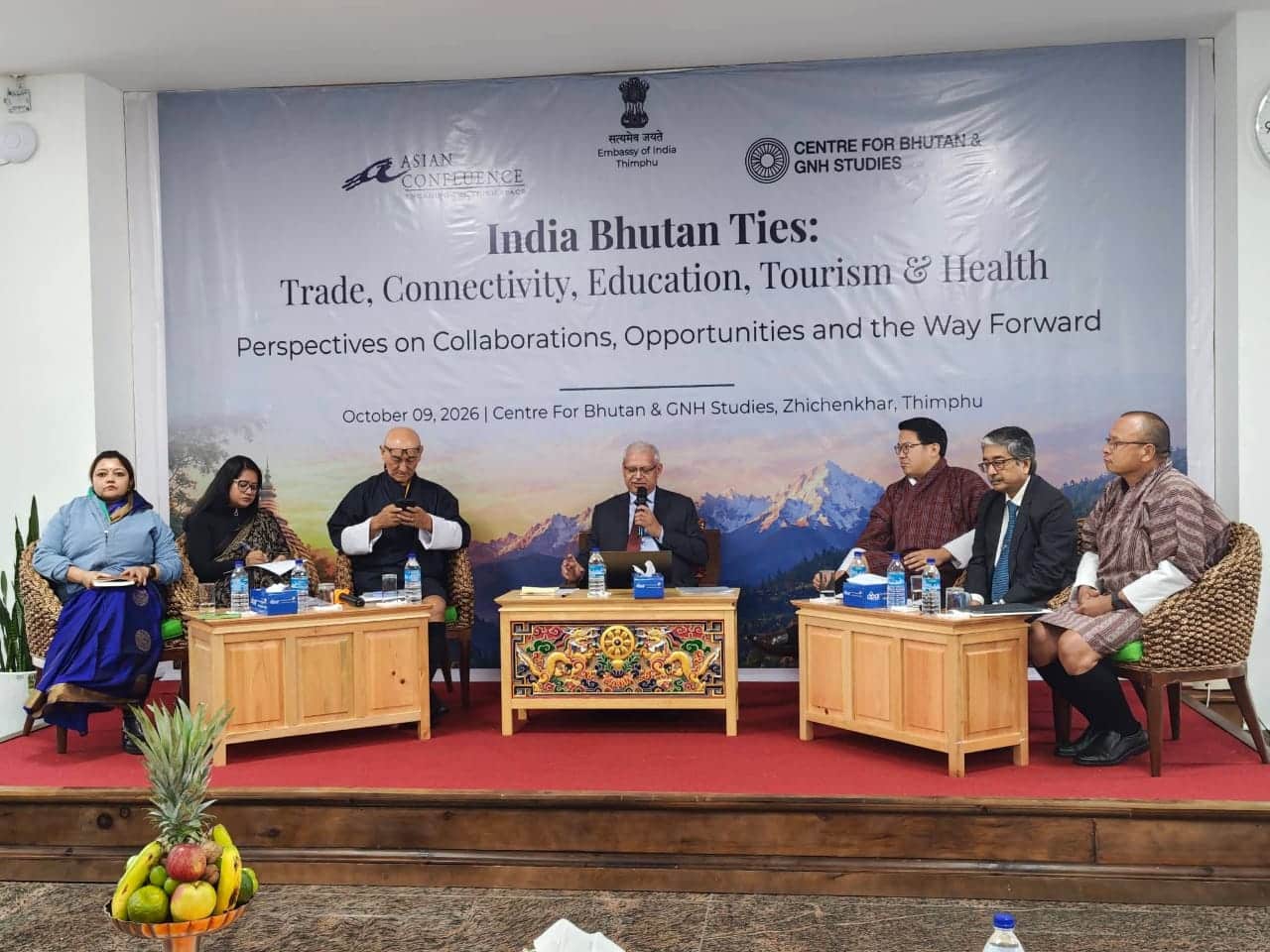
An interactive session held in Thimphu on August 19 brought together senior government officials, healthcare institutions, tourism and travel representatives and other stakeholders. Pemba Wangchuk, Secretary of the Ministry of Health; Indian Ambassador to Bhutan Sandeep Arya; and Dr Pem Namgyal, President of Jigme Dorji Wangchuck National Referral Hospital (JDWNRH) and Khesar Gyalpo University of Medical Sciences of Bhutan, attended the inaugural session.
Dr Phub Tshering, Medical Director of JDWNRH, shared insights into Bhutan’s healthcare system and medical referral arrangements, while highlighting opportunities for expanding cooperation with Indian healthcare institutions.
“This is an excellent opportunity for us to network and explore more such opportunities with the hospitals from India. This opportunity will apply to all the patients who want to explore treatment options outside Bhutan,” Dr Phub said.
The Indian hospitals subsequently presented their specialised facilities, centres of excellence and services for international patients, while engaging Bhutanese stakeholders on opportunities to facilitate access to quality and affordable healthcare.
The discussions also considered the possibility of providing technical and service support within Bhutan. Fortis Healthcare’s Geetanjali Gupta said Indian institutions were open to supporting Bhutan beyond conventional referrals. “We are open to the idea of surgical camps. Bhutan has evolved in healthcare, but in areas where they need any kind of handholding, we would be happy to bridge that gap,” she said.
Yashoda Medicity’s Dr Sunil Dagar similarly highlighted opportunities for knowledge-sharing and professional development. “As a healthcare provider, as part of our values, we can do knowledge sharing, capacity building, and send in our expert specialist doctors here in Bhutan to do handholding and outreach OPDs directly in Bhutan for the Bhutanese people,” he said.
Such cooperation could allow Indian specialists to conduct outreach consultations and surgical camps in Bhutan, potentially reducing the need for patients to travel abroad for some services while strengthening the skills and capabilities of Bhutanese medical professionals.
Indian Ambassador Sandeep Arya highlighted India’s growing position in the global healthcare sector, noting that more than 600,000 international travellers visit India for healthcare services. He pointed to the quality and cost-effectiveness of Indian healthcare services as well as the particular advantages for India-Bhutan medical cooperation.
Visa-free travel between the two countries, geographical proximity, connectivity and longstanding bilateral relations provide a strong foundation for expanding healthcare cooperation, he said.
Dr Pem Namgyal recalled that Bhutan-India healthcare cooperation dates back to the late 1950s, with collaboration extending across healthcare infrastructure, medical education, professional training, experience-sharing, and healthcare services.
According to the Indian Embassy, the All India Institute of Medical Sciences (AIIMS) and the National Institute of Mental Health and Neuro Sciences (NIMHANS) entered into cooperation arrangements with Bhutan during the past year. Several medical facilities are also under construction in Bhutan with support from the Government of India under Bhutan’s 13th Five Year Plan, alongside ongoing education and training programmes.
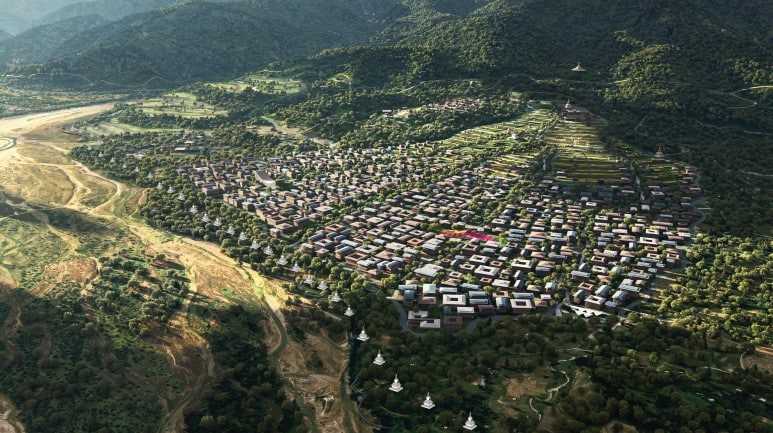
During their visit, the Indian delegation also called on Prime Minister Dasho Tshering Tobgay and held discussions with officials and medical practitioners at JDWNRH. The delegation also met representatives of the Gelephu Mindfulness City (GMC) Authority, exploring potential opportunities connected to the emerging economic and urban development initiative.
The visit has opened another chapter in a longstanding bilateral partnership—one in which healthcare cooperation is moving beyond treating patients across the border towards building capacity, sharing expertise and strengthening healthcare systems on both sides.
Tashi Namgyal, Thimphu