

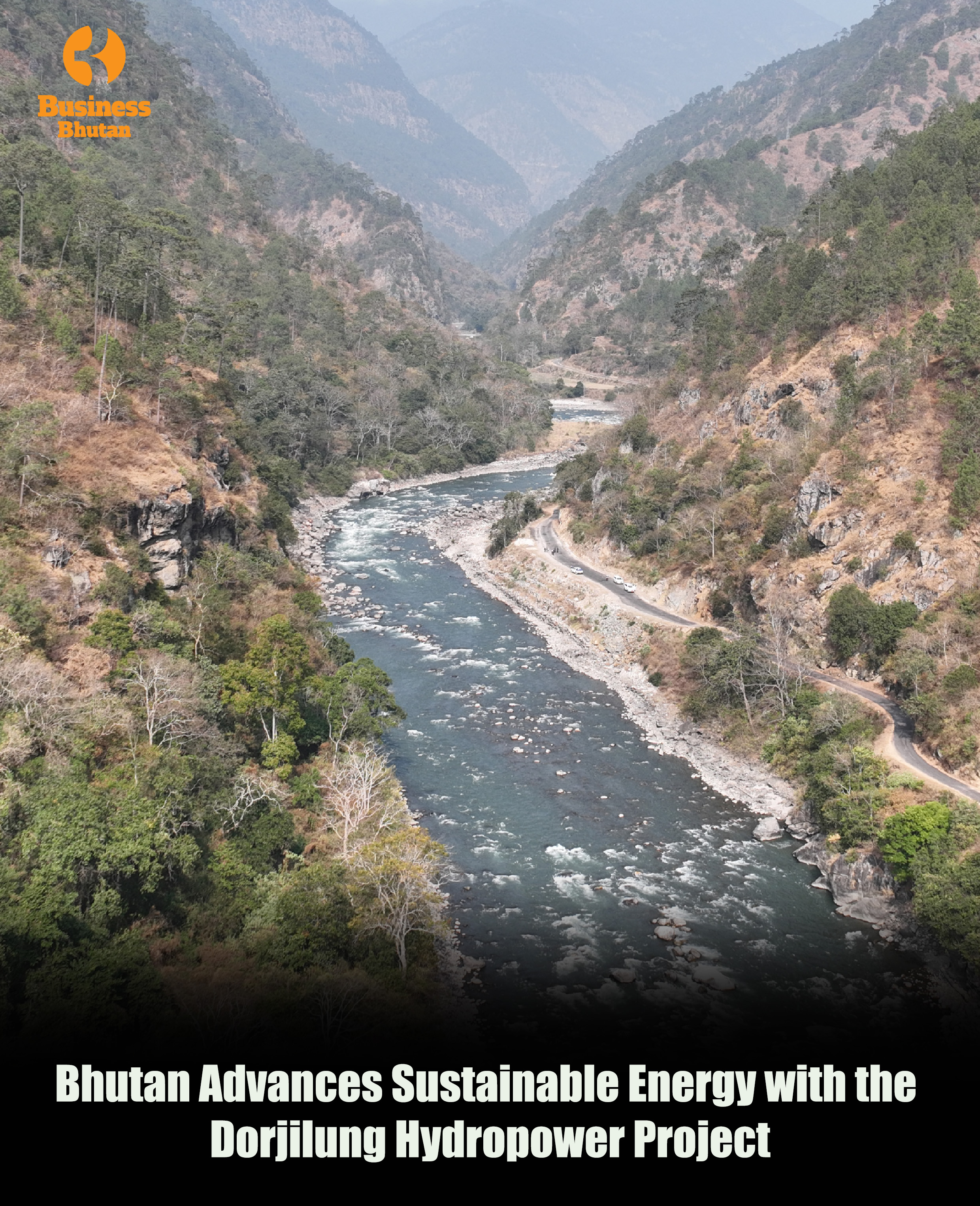
Renowned globally for its steadfast commitment to environmental conservation and sustainable development, Bhutan is taking a major step forward in harnessing its hydropower potential through the Druk Green Power Corporation (DGPC). The recently released draft of the Environmental and Social Impact Assessment (ESIA) for the proposed 1,125-Megawatt (MW) Dorjilung Hydropower Project (DHPP) underscores the nation’s dedication to balancing energy development with ecological protection and social well-being.
A Significant Leap Toward Sustainable Energy
Located along the Kurichhu River in the eastern districts of Mongar and Lhuentse, the Dorjilung Hydropower Project is a strategic component of Bhutan’s national energy strategy. With a planned generation capacity of 1,125 MW, the project is expected to produce approximately 4,504 gigawatt-hours (GWh) of clean energy annually—substantially contributing to Bhutan’s renewable energy portfolio and energy export potential.
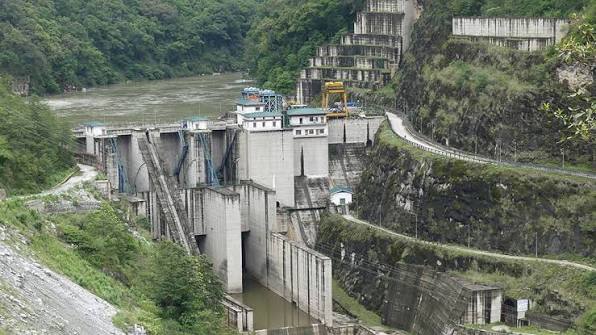
The DGPC outlines that the project infrastructure will include a 139.5-meter-high concrete gravity dam, an underground powerhouse, a 14.97-kilometer headrace tunnel, and accompanying transmission lines. All elements are being designed with an emphasis on climate resilience and environmental sustainability.
Comprehensive Environmental and Social Planning
According to DGPC, the draft ESIA is rooted in international best practices, aligning with the World Bank’s Environmental and Social Framework (ESF). The assessment is the result of extensive field research, community consultations, and technical evaluations conducted by both international and Bhutanese experts.
It provides a thorough analysis of the project’s potential impacts on biodiversity, water resources, cultural heritage, and livelihoods. It also proposes mitigation strategies to minimize negative effects while enhancing positive outcomes for local communities and the environment.
Key Environmental Insights
The ESIA highlights the ecological richness of the project area, characterized by rugged landscapes, dense forests, and critical biodiversity corridors—including the Biological Corridor that links Phrumsengla National Park with Bumdeling Wildlife Sanctuary. This region is home to several endangered species, including the Bengal tiger, red panda, snow leopard, and the Pallas’s fish eagle.
The Kurichhu River, which is central to the project, supports migratory and endemic fish species such as snow trout and native catfish. Detailed hydrological studies are informing the design of environmental flow regimes to maintain aquatic ecosystem health throughout the construction and operational phases.
The ESIA recommends targeted conservation measures, including reforestation, habitat connectivity enhancement, and strict management of environmental flows. It also addresses potential risks such as habitat loss, landslides, and pollution through strategies like erosion control, pollution prevention, and wildlife protection protocols.
Social and Cultural Dimensions
Socially, the draft ESIA provides insight into the lives of approximately 18,750 residents across six gewogs in the project area. These communities largely rely on subsistence farming, small-scale enterprises, and community-managed forests.
The project will require the acquisition of about 918 acres of land, affecting 50 households and two institutions. The ESIA outlines a comprehensive plan for compensation, livelihood restoration, and resettlement support.
Cultural considerations are also addressed, with sacred sites and temples identified within the project’s footprint. While no major adverse impacts on tangible cultural heritage are expected, the project will implement cultural heritage management plans and foster community engagement to protect intangible traditions and local identities.
Community Engagement and Stakeholder Participation
To date, over 67 community consultations involving nearly 900 participants have informed the draft ESIA. These sessions revealed strong community interest in the project, particularly in terms of employment opportunities, infrastructure development, and economic growth. However, concerns were also raised regarding environmental degradation, labor influx, and community safety.
The ESIA includes a detailed stakeholder engagement plan focused on transparency, inclusivity, and ongoing communication to ensure that local voices continue to shape project design and implementation.
Mitigating Risks and Ensuring Safety
The draft outlines a robust Environmental and Social Management Plan (ESMP) that addresses risks such as land acquisition, pollution, labor safety, and ecological disruption. It details waste management protocols, pollution control mechanisms, and community safety strategies.
Special emphasis is placed on labor and community health and safety, with strong safeguards to prevent gender-based violence, sexual exploitation, and abuse. A comprehensive grievance redress mechanism will be implemented, allowing affected parties to raise concerns through multiple accessible channels for timely resolution.
Legal and Regulatory Compliance
The Dorjilung Hydropower Project complies with Bhutan’s national legal framework, including the Environmental Assessment Act (2000), Forest and Nature Conservation Act (2023), Water Act (2011), and Land Act (2007). Additionally, it adheres to international environmental and social safeguards set by the World Bank, ensuring thorough due diligence and responsible development.
The draft ESIA notes that the project has received the Terms of Reference approval from the Department of Environment and Climate Change (DoECC), though the final environmental clearance is still pending.
Capacity Building and Future Steps
Recognizing the need for institutional readiness, DGPC plans to strengthen its capacity in environmental and social management. This will include targeted training programs, recruitment of specialized staff, and the establishment of dedicated units for biodiversity conservation, community engagement, and safety monitoring.
Implementation of the ESIA will be guided by an Environmental and Social Commitment Plan (ESCP), with regular reporting, monitoring, and stakeholder updates to ensure accountability and adaptability in response to emerging challenges.
A Model for Sustainable Development
The Dorjilung Hydropower Project exemplifies Bhutan’s unwavering commitment to sustainable, inclusive, and environmentally responsible development. As the country moves toward its ambitious target of generating over 30,000 MW of hydropower by 2040, this project stands as a model for how clean energy growth can go hand-in-hand with environmental stewardship and community empowerment.
The draft ESIA marks a significant milestone in Bhutan’s sustainable development journey. It presents a comprehensive framework for mitigating environmental and social risks while maximizing the long-term benefits for Bhutan’s economy, ecosystems, and people.
“As the project moves toward final approval and implementation, continued stakeholder dialogue and rigorous environmental management will be essential to realize its long-term benefits for Bhutan’s economy, environment, and communities,” the draft ESIA concludes.
Sherab Dorji from Thimphu