

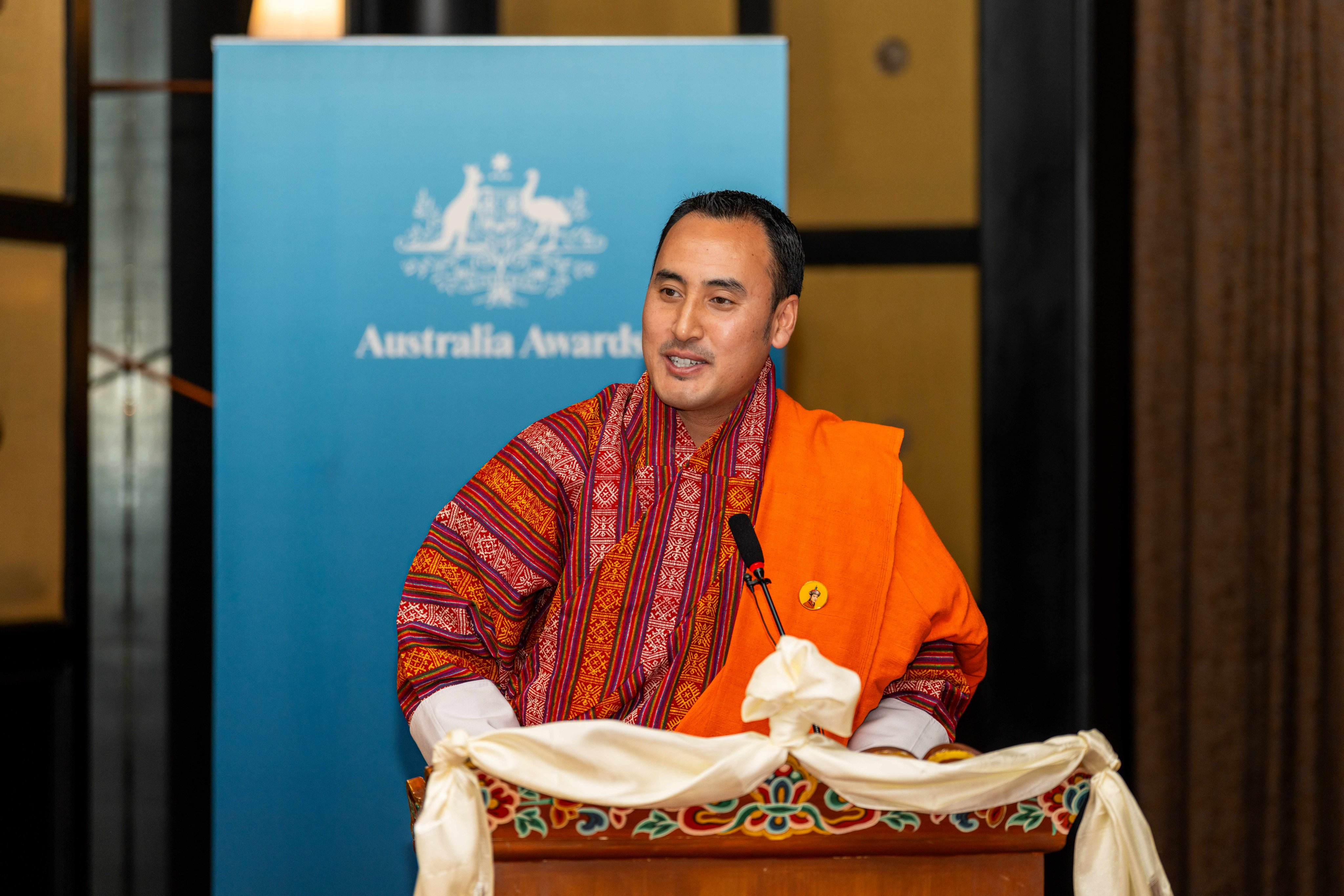
The government aims to increase FDI from the current Nu 60 billion to Nu 100 billion by 2029
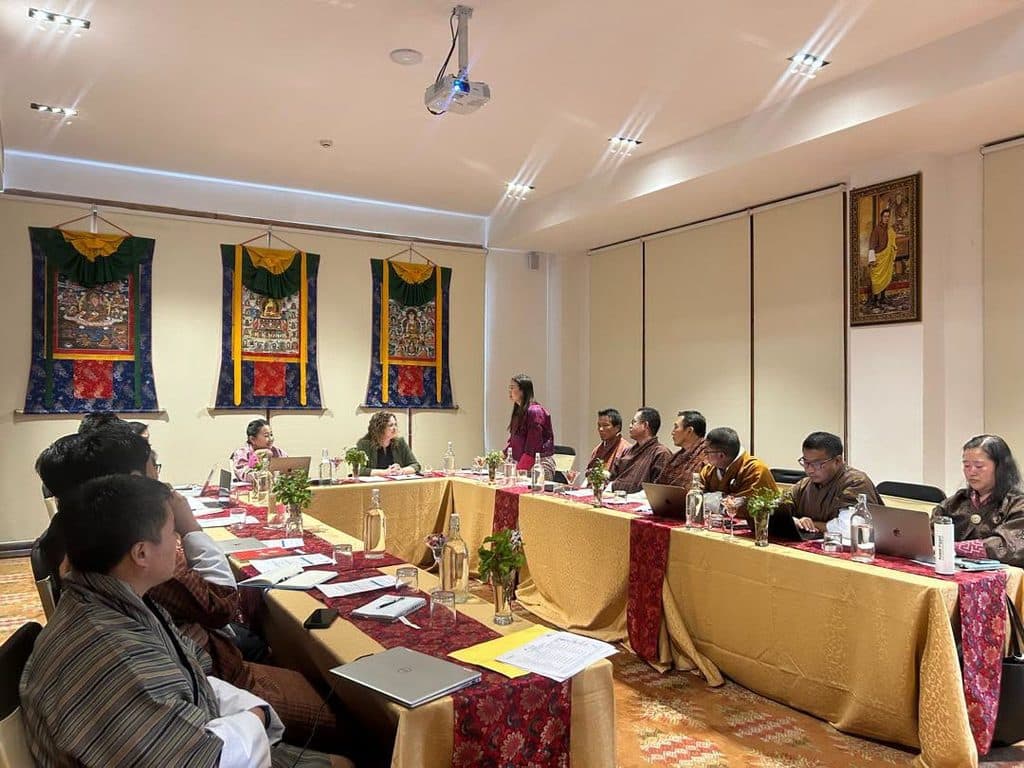
Bhutan is positioning itself as a prime destination for business investment, with a focus on economic transformation through Foreign Direct Investment (FDI) and the agri-food sector. Minister of Industry, Commerce, and Employment (MoICE), Namgyal Dorji, highlighted the potential for Bhutan to become a central hub for economic growth driven by foreign investors.
The government aims to increase FDI from the current Nu 60 billion to Nu 100 billion by 2029. To facilitate this growth, the MoICE has revised its FDI policy, making it more transparent and favorable for investors. Minister Namgyal Dorji emphasized that the revised policy addresses previous bottlenecks and creates a more business-friendly environment for long-term sustainability.
The updated FDI policy aims to make the investment process clearer and more straightforward for foreign investors. It also includes provisions for investor cards, which will allow foreign investors to reside in the country. These changes are designed to attract and retain long-term investments, ensuring that Bhutan remains a competitive and appealing destination for global investors.
In addition to attracting FDI, the government is focusing on promoting “Brand Bhutan” in the export market. Leveraging the country’s pristine environment, rich cultural diversity, Gross National Happiness (GNH) philosophy, and political stability, Bhutan aims to enhance its unique selling points. The promotion will include tags like “Made In Bhutan” and “Grown In Bhutan” to emphasize the geographic origins of its organic products.
The government is actively inviting investments in the agri-food sector, highlighting its potential for trading and investment. The recent Bhutan Agri-Food Trade Investment Forum (BATIF) 2024, which started on May 16 and concludes on May 19, revealed an ambitious roadmap focusing on bold investments, scientific innovations, and renewed commitments to the agri-food system.
Bhutan is also leveraging its free trade agreements with India and Bangladesh and is in advanced talks with Nepal and Thailand. These agreements are expected to facilitate trade and attract positive responses from these countries, further boosting Bhutan’s economic prospects.
The FDI annual report for 2023, released by the Department of Industry (DoI), MoICE, showed promising trends. In 2023, 12 new FDI projects worth Nu 7.6 billion were approved, with seven in the service sector and five in manufacturing. Asian investors accounted for 65% of these projects, followed by Europe with 17% and America with 11%.
Overall, the total number of approved FDI projects in Bhutan stands at 108, with 12 new projects approved in 2023. However, five projects were withdrawn during the year—four in services and one in production.
In the meantime, Bhutan’s strategic focus on enhancing FDI and promoting the agri-food sector highlights its commitment to economic transformation. By revising its FDI policy and promoting “Brand Bhutan,” the country is set to attract significant foreign investment and drive sustainable economic growth.
By Sherab Dorji, Thimphu