For some, it was half of a first salary. For others, it was a few hundred ngultrum saved from household earnings. For Bhutanese living overseas, it was as little as USD 5 or as much as USD 500. But behind each contribution to Project 108 was something larger than money—a wish to participate in an initiative envisioned as an offering of peace, compassion and spiritual benefit for generations to come.
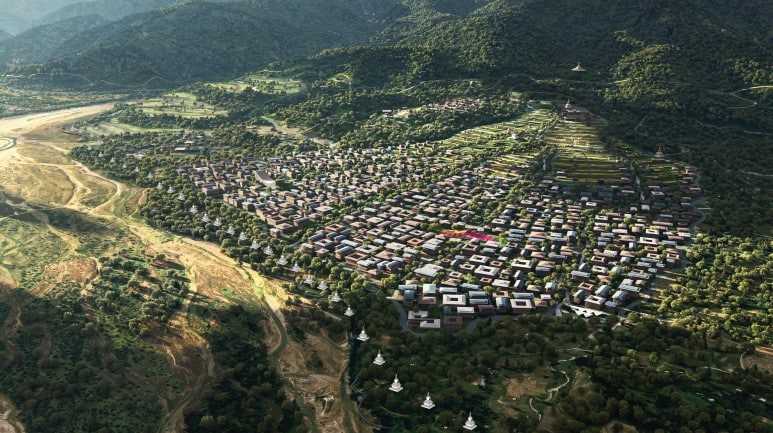
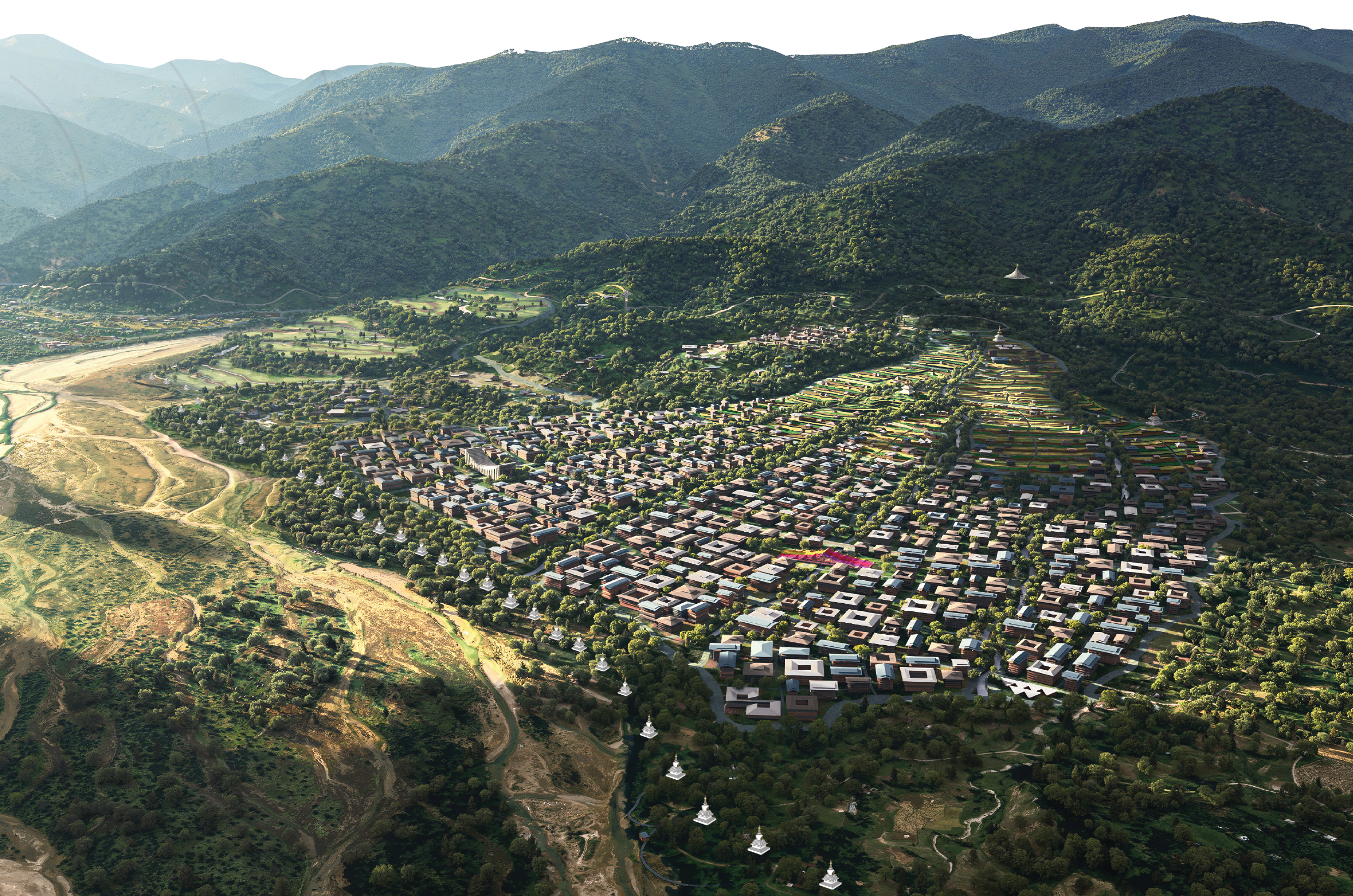
The crowdfunding campaign for the construction of 108 Jangchub Chortens along the Mau Chhu in Gelephu Mindfulness City (GMC) officially closed at 5pm on August 21, drawing contributions from thousands of people in Bhutan and abroad.
Facilitated by the Royal Securities Exchange of Bhutan (RSEB), the campaign raised BTN 28.34 million from 7,262 donors in Bhutan and USD 85,779.26 from 561 donors abroad, bringing the total number of individual contributors to 7,823.
What began as a crowdfunding initiative evolved into an expression of faith, generosity and collective participation, with people contributing according to their means to a project of national and spiritual significance.
A contribution from the heart
For 23-year-old Kuenga Gyeltshen, the decision to contribute came with his first salary. He gave half of what he earned—not because he could afford a large contribution, but because he wanted to mark the beginning of his working life with an offering to the country.
“I could not contribute much, but I feel blessed having had this opportunity to express my gratitude to His Majesty the King and the country,” he said.
For 32 year-old Jetsen Lhamo who works in Lhuentse, her contribution felt small against the scale of the project. “A drop in the ocean,” she described it.
“May this small contribution benefit all the sentient beings in the world,” she said, capturing the sentiment shared by many contributors: the significance of an offering was not measured solely by its monetary value, but by the intention behind it.
For 29-year-old Kalpana Gurung, contributing to Project 108 was an opportunity to become part of something much greater than herself. “I donated a little amount and I prayed, especially for the project to materialize. To be a small part of such a mammoth project for the wellbeing of all sentient beings is my life’s greatest achievement,” she said.
A lifetime of gratitude
The campaign offered an opportunity to express gratitude for having lived long enough to witness what he considers a historic undertaking, according to 77-year-old Nima Tshering,
“I feel fortunate to have lived this long. Maybe I have accumulated past merits which have allowed me to witness this historic event unfolding right in front of my eyes. As a form of gratitude, I made a small contribution,” he said.
His contribution, like those of thousands of others, became part of a much larger collective effort.
The campaign showed how individual acts of generosity can acquire a different meaning when brought together. A small offering multiplied thousands of times became a substantial contribution towards Project 108.
A connection that crossed borders
The campaign also reached Bhutanese living abroad, creating an avenue for people far from home to participate. Contributions from overseas ranged from USD 5 to USD 500, reflecting different capacities but a shared sense of connection to Bhutan and its spiritual traditions.
For Bhutanese living away from the country, the opportunity to contribute offered more than financial participation. It provided a way to remain connected to an initiative unfolding at home and to express a sense of belonging to their country and its collective aspirations.
A vision taking shape
Project 108 was envisioned by His Majesty The King on February 21, with the 108 Jangchub Chortens scheduled to be completed in a single day on November 1, 2026. The ambitious undertaking has since grown into a major mobilisation of people, resources and goodwill.
The project is not simply about constructing 108 physical structures. The chortens are intended as spiritual offerings, representing peace, compassion and spiritual protection for all humanity.
People have been given different ways to participate. Some have offered money. Others have volunteered their time and labour. Together, these forms of participation have transformed Project 108 into a collective national endeavour.
Tashi Namgyal, Thimphu