

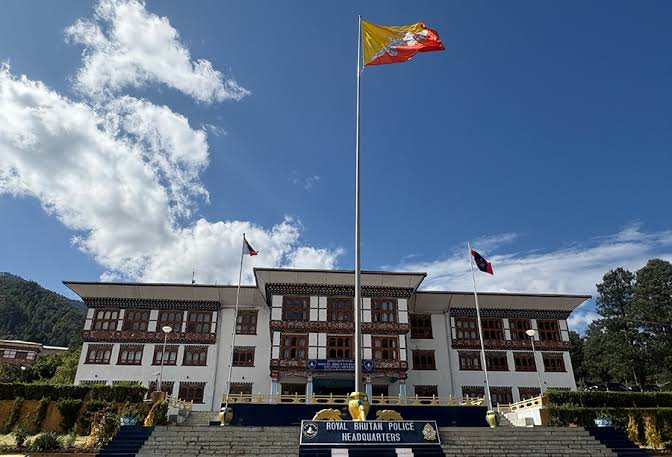
The Royal Bhutan Police (RBP) is urging households and residential buildings across the country to install CCTV cameras as part of a broader effort to strengthen community safety, deter criminal activities and improve the detection of offenders.
The appeal comes amid growing public concern over serious crimes, including rape and murder, and renewed attention to the role of surveillance technology following the recent rape and murder of a 12-year-old girl in Kabesa, Thimphu.
During a press briefing on the case, Chief of Police Brigadier Phub Gyaltshen said installing CCTV cameras was not simply about making police work easier, but primarily about protecting people and ensuring safer communities. He said surveillance cameras could discourage criminal activities and provide crucial evidence to help identify and trace perpetrators when crimes occur.
The appeal comes as residents of Thimphu Thromde raise concerns about public safety and call for wider surveillance coverage across the capital. Although cameras have been installed at several locations, residents say existing coverage remains inadequate. According to Thimphu Police, 114 surveillance cameras are currently installed in and around Thimphu Thromde. The capital’s surveillance camera installation programme began in 2014.
Deputy Chief of Police of the Crime and Operations Department Passang Dorji said CCTV footage had already helped police identify perpetrators and solve criminal cases, highlighting its growing importance as an investigative tool.
Phuentsholing offers an example of how coordinated investment in surveillance infrastructure can strengthen public security. On January 3, 2024, the RBP, in collaboration with key stakeholders, launched the Safe City System in Phuentsholing Thromde. Supported by Nu 11.6 million from the Royal Government, the initial project involved installing 160 cameras at strategic locations, including Rinchending, Core Town, Damdara, Kabritar and Amochu Check Post.
Together with existing installations, the network brought the total number of cameras to approximately 183.
The project involved the RBP, Phuentsholing Thromde, Bhutan Telecom Limited, Bhutan Power Corporation and the Department of Immigration. A dedicated control room was established at the multi-level car parking facility to facilitate real-time monitoring. The system was designed to help police monitor suspicious activities, deter crime and respond more effectively to incidents. Plans also included the future integration of artificial intelligence technologies to enhance surveillance capabilities.
Paro has also expanded its surveillance network, with more than 100 CCTV cameras covering eight of its 10 gewogs. Installed through a joint initiative involving the Paro District Administration, Paro Thromde and police, the cameras monitor streets, highways and pilgrimage routes. Besides crime prevention, the system is also intended to address problems such as illegal waste dumping and open defecation.
At the household level, residents are being encouraged to take greater responsibility for their own security.
Dawa Sonam, a building owner in Babesa, Thimphu, said homeowners and apartment residents should consider installing cameras at important access points, including gates, entrances, staircases and parking areas. However, he cautioned that security measures must not come at the expense of individual privacy.
Tshering Denkar, a tenant in Phuentsholing, said CCTV cameras in residential areas could help prevent crime, identify offenders and give families greater peace of mind, provided residents’ privacy is respected.
As Bhutan expands its use of surveillance technology, the challenge will be to ensure that cameras are installed strategically, monitored responsibly and supported by appropriate safeguards governing access, storage and use of recorded footage.
The RBP’s appeal underscores that community safety cannot rest solely with law enforcement agencies. Public vigilance, cooperation and responsible use of technology are equally important in creating safer homes and neighbourhoods.
Sangay Rabten, Thimphu