


For decades, Bhutan and India have shared a partnership rooted in trust, geography, and a rare alignment of national interests. Now, as the long-awaited cross-border railway project moves decisively toward implementation, that partnership is set to enter a new era; one that is not powered by symbolism alone, but by steel tracks, economic opportunity, and strategic foresight.
The proposed railway links connecting Gelephu and Samtse in Bhutan with Kokrajhar in Assam and Banarhat in West Bengal are far more than infrastructure projects. They are a strategic investment in the future of Indo-Bhutan relations and a clear statement that connectivity, cooperation, and shared prosperity remain central to the bilateral agenda.
For Bhutan, the benefits are transformative. Rail connectivity will unlock long-constrained trade potential, dramatically reduce logistics costs, and integrate the country more deeply into regional and global markets. For India, the gains are equally compelling, economically, strategically, and geopolitically.
India’s decision to fully fund and lead procurement for the railway project is not an act of charity; it is a calculated investment in regional stability and economic integration. Improved rail connectivity with Bhutan will strengthen India’s northeastern states by opening new trade corridors, increasing freight movement, and stimulating border economies that have long struggled with isolation and high transport costs.
Assam and West Bengal, in particular, stand to benefit from increased commercial activity, logistics demand, and cross-border trade. Indian businesses will gain faster access to Bhutan’s markets, while Indian railways will handle greater volumes of freight—fueling growth in transport, warehousing, and allied services. This is connectivity that pays dividends on both sides of the border.
Strategically, the railway reinforces Bhutan’s role as a trusted neighbor at a time when regional geopolitics are growing increasingly complex. Deep, functional integration through infrastructure is one of the strongest safeguards against instability. By physically binding the two economies closer together, the railway strengthens India’s strategic depth in the eastern Himalayas while reinforcing Bhutan’s sovereignty through partnership rather than dependence.
The project also aligns squarely with India’s Act East Policy and its broader vision for South Asian regional integration. Rail links into Bhutan enhance India’s connectivity with Bangladesh through transnational corridors, enabling smoother movement of goods across borders. Bhutan’s exports—ranging from stone and minerals to agricultural produce—can move more efficiently, while Indian exports gain an expanded and reliable route into Bhutanese markets.
Equally important is the environmental dimension. Rail transport is significantly cleaner and more energy-efficient than road freight. By shifting cargo from trucks to trains, both countries reduce emissions, lower fuel consumption, and ease pressure on fragile mountain roads. For Bhutan, whose development philosophy is anchored in sustainability, rail connectivity offers growth without compromising environmental values. For India, it supports climate commitments while modernizing logistics.
The railway project is also a powerful symbol of continuity. It builds on the 2005 Indo-Bhutan agreement to extend rail links into Bhutan and reflects the enduring political consensus in both countries that development is best pursued together. Unlike short-term aid or ad-hoc projects, railways represent permanence. Once laid, they shape economies and relationships for generations.
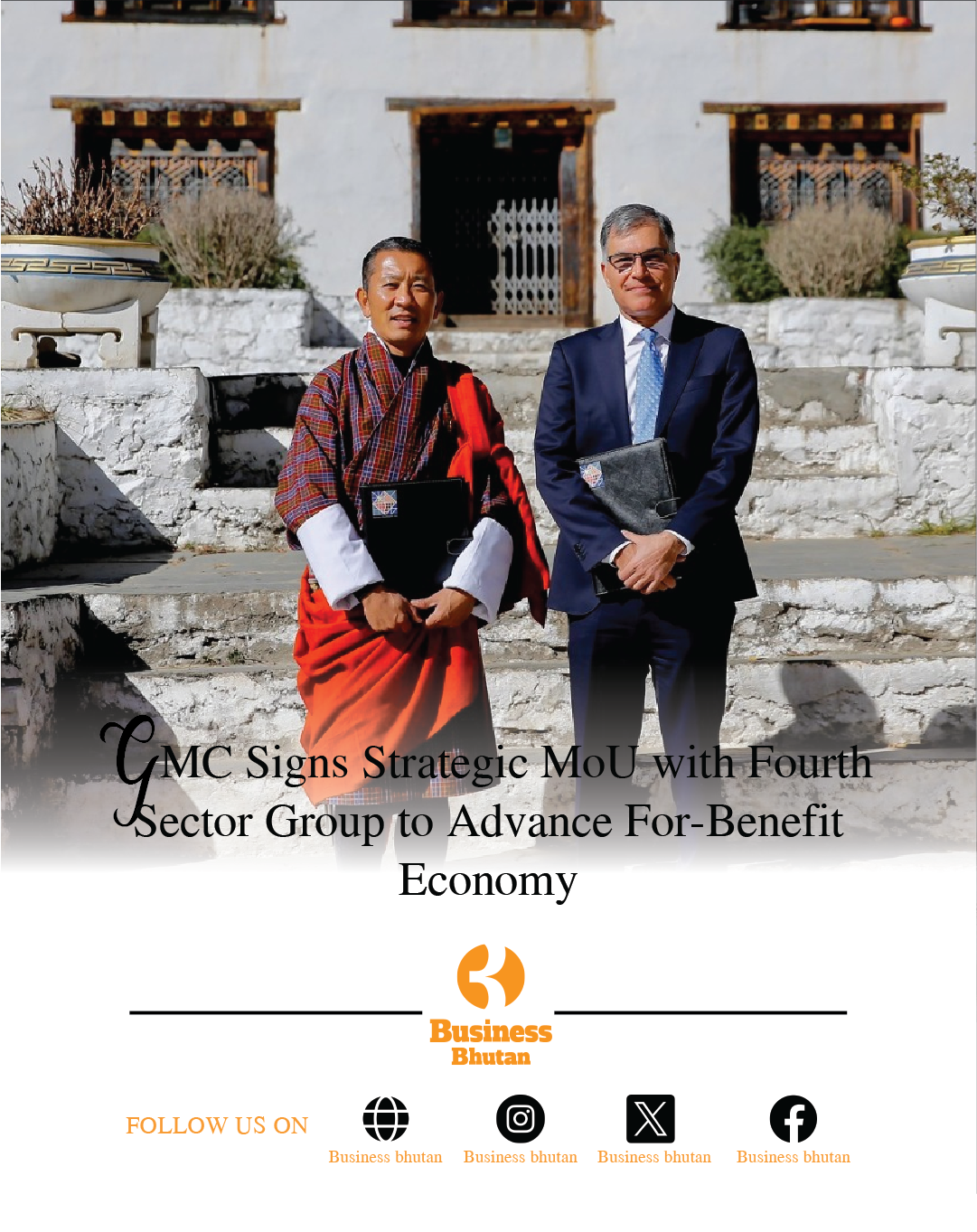
Critically, the project sends a message to the region: Indo-Bhutan ties are not static—they are evolving, deepening, and adapting to new realities. As Bhutan pursues ambitious initiatives like Gelephu Mindfulness City (GMC), rail connectivity ensures that vision is grounded in real, physical access to markets and people. For India, supporting Bhutan’s economic transformation ensures a stable, prosperous neighbor, which is arguably the best security strategy of all.
In an age when diplomacy is increasingly measured by delivery rather than declarations, the railway project stands out as diplomacy in action. Steel tracks may appear mundane, but in this case, they carry trust, opportunity, and shared destiny.
The Bhutan–India railway is not just about moving goods and passengers. It is about moving a relationship forward – firmly, strategically, and irreversibly.