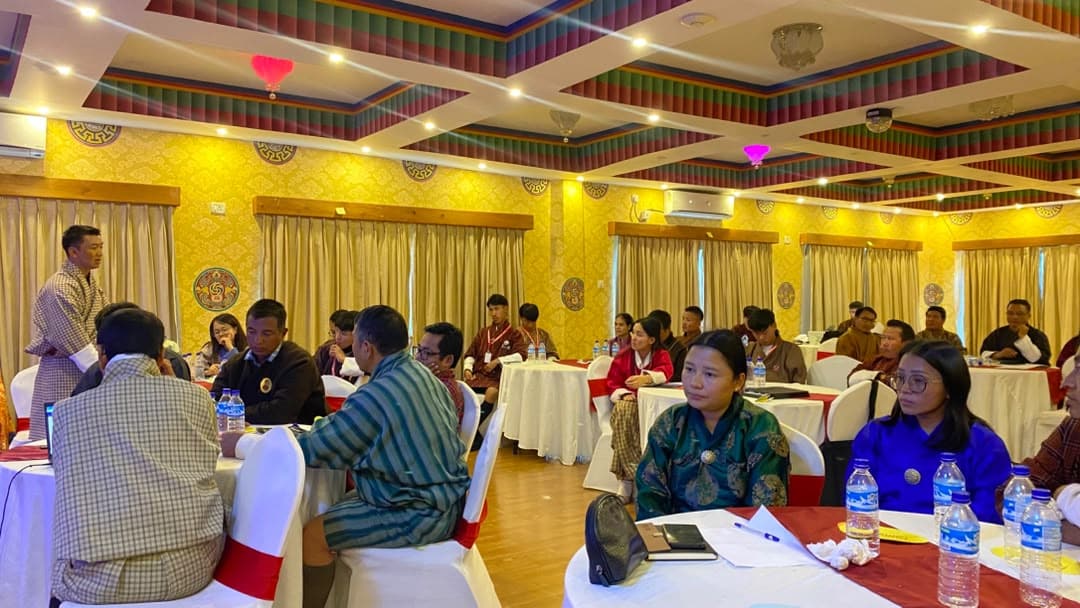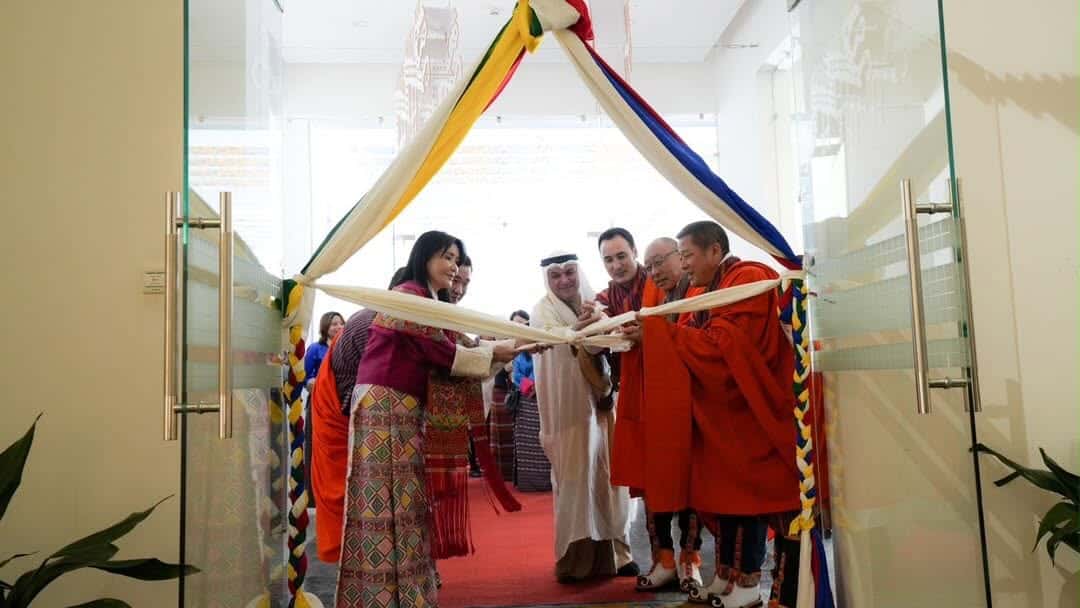


The Ministry of Agriculture and Livestock (MoAL), in partnership with the Food and Agriculture Organization (FAO) of the United Nations, officially launched the project “Productive and Sustainable Food Systems in Bhutan for Environmental Benefits and Gross National Happiness (GNH)” in Mongar on 21 November 2025.
The launch was attended by Dasho Thinley Namgyel, Secretary of MoAL; Ken Shimizu, FAO Representative for Bhutan and Nepal; regional Dzongdags; and representatives from the six eastern Dzongkhags participating in the project—Mongar, Lhuentse, Trashigang, Trashiyangtse, Pemagatshel, and Samdrupjongkhar.
Bhutan has the distinction of being the first among 32 countries worldwide to initiate an inception workshop under the Global Environment Facility (GEF)-8 Food Systems Integrated Programme, highlighting the country’s proactive approach to sustainable food systems.
Speaking at the launch, Dasho Thinley Namgyel thanked FAO for its continued partnership with the Royal Government of Bhutan. He described the five-year project as a timely response to Bhutan’s pressing agri-food challenges, aimed at transforming agriculture across the six eastern Dzongkhags.
“It will restore 1.13 million hectares of degraded landscapes, support over 84,000 farmers with climate-smart practices, and build resilient, green value chains that return tangible benefits to local communities,” he said.
The project places a strong emphasis on inclusion, targeting youth engagement, women’s empowerment, and strengthened public-private partnerships, creating a foundation for a more productive, sustainable, and prosperous agricultural future.
With a total budget of USD 9.585 million and approximately USD 50 million in co-financing, the initiative seeks to enhance agricultural productivity, climate resilience, and environmental sustainability. Key objectives include: promoting sustainable land management and biodiversity-friendly agriculture, strengthening inter-sectoral coordination and policy frameworks, developing sustainable, climate-smart value chains and supporting gender-responsive and youth-led agri-enterprises.
The initiative aims to ensure that Bhutan’s food systems are resilient, inclusive, and aligned with national development priorities, including the 13th Five-Year Plan.
Ken Shimizu, FAO Representative for Bhutan and Nepal, emphasized the project’s alignment with both global climate goals and Bhutan’s national policies. “This project is focused on climate-resilient, productive, and environmentally sustainable food systems that deliver benefits to people and the planet alike. It is both nationally relevant and technically robust,” he said.
The inception workshop, conducted from 19 to 20 November 2025, clarified implementation modalities, roles and responsibilities, annual work plans, and budgets, setting a clear roadmap for coordinated execution. Developed in under a year, the project launch marks a major milestone in Bhutan’s efforts to strengthen sustainable and resilient food systems, enhancing food security, environmental conservation, and Gross National Happiness.
The six eastern districts are critical to Bhutan’s food system, representing over 30% of farming households. The region produces nearly half of the country’s maize and over 70% of its quinoa, alongside a diverse array of fruits and vegetables that support national food and nutrition security.
It is also a major livestock hub, with one-third of Bhutan’s livestock households located here, contributing 37% of national dairy production. Trashigang and Mongar consistently rank among the highest producers of milk, butter, and cheese, underscoring the region’s immense potential for transformation.
Despite its strengths, the region faces mounting challenges, such as climate change and degraded rangelands, declining biodiversity, youth migration from rural areas, frequent extreme weather events, difficult market access and wildlife depredation and climate-induced crop and livestock losses.
The project is designed to tackle these pressing challenges through a comprehensive, multi-pronged approach. By restoring degraded landscapes, it seeks to rehabilitate soils, improve water retention, and increase biodiversity, creating healthier ecosystems that can sustain agricultural productivity over the long term. Climate-smart agricultural practices will be promoted, equipping farmers with techniques to adapt to extreme weather, improve yields, reduce greenhouse gas emissions, and safeguard livelihoods against climate-related risks. At the same time, the project aims to build resilient and inclusive food systems, linking sustainable production with local and regional markets, strengthening value chains, and ensuring that communities benefit socially, economically, and nutritionally. In this way, the initiative supports a synergy between human well-being and environmental conservation, demonstrating that sustainable food systems can be a powerful driver of both community prosperity and ecological resilience.
Funded by the Global Environment Facility and implemented by MoAL in partnership with FAO, this initiative represents Bhutan’s bold step toward transforming its agri-food sector—strengthening environmental stewardship, community livelihoods, and Gross National Happiness.
Sangay Rabten
FromThimphu