

Buying, transferring, or inheriting land in Bhutan’s busiest urban centres will soon require something new: digital consent from all relevant parties before a transaction can proceed.
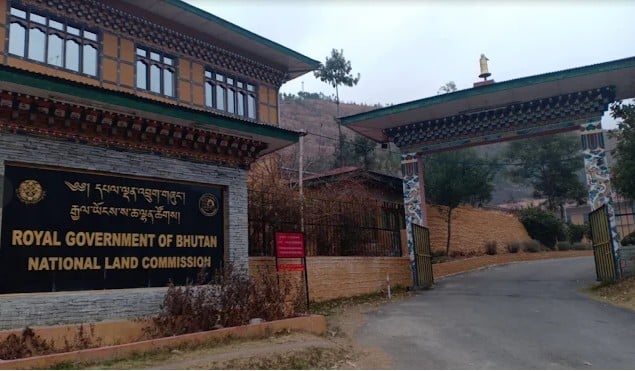
In what officials describe as a major step towards strengthening transparency and safeguarding property rights, the National Land Commission Secretariat (NLCS) will roll out a new Consent Management Module (CMM) under the eSakor platform in Thimphu, Paro and Phuentsholing from June 2, 2026.
The new system will make digital consent mandatory for land transactions in the three pilot areas, requiring relevant stakeholders, including landowners, family members, and witnesses, where applicable, to formally verify their consent before ownership changes or land-related procedures are approved.
According to the NLCS, the module is intended to address one of the most sensitive aspects of land administration: ensuring that all parties are informed and protected before a transaction is finalized.
“The Consent Management Module is a new feature that enables landowners, family members, and witnesses to provide their consent digitally during land transactions,” the NLCS stated in an announcement. “This ensures that all parties involved are informed and have formally agreed before any transaction is processed.”
The move comes amid growing efforts to strengthen public confidence in land governance and reduce disputes arising from contested ownership, inheritance claims, undocumented agreements, or transactions carried out without the full knowledge of family members or co-owners.
Land disputes remain among the more complex administrative and legal issues in Bhutan, particularly in urban areas where land values have risen sharply and ownership arrangements are often shared across generations.
Officials say the new system is expected to improve safeguards against unauthorized transactions by creating a digitally verifiable record of consent.
The Consent Management Module will operate through Bhutan’s National Digital Identity (NDI) system, allowing users to securely authenticate their identities online before providing consent. The eSakor platform already integrates digital identity verification as part of its land administration services.
“Secure access via National Digital Identity ensures that the consent process is authenticated and reliable,” the NLCS stated.
Recognizing concerns around digital access, the agency said the platform includes provisions for individuals who may not own smartphones, lack internet access, or have limited digital literacy.
“The platform includes provisions for people without digital access so that no stakeholder is left uninformed or excluded from the process,” officials said.
The rollout in Thimphu, Paro and Phuentsholing will serve as a pilot phase before a possible nationwide expansion. The locations were selected due to the high volume of land transactions and growing demand for faster and more secure services.
The initiative forms part of Bhutan’s wider push to modernize public service delivery through digital systems. Over the years, the NLCS has gradually shifted land administration online through the eSakor platform, which was introduced to streamline rural and urban land transactions and improve transparency in land governance.
For residents carrying out land transactions after June 2, the message is clear: without verified digital consent, applications will not move forward.
Officials believe the system could help reduce misunderstandings among family members and co-owners while reinforcing trust in a process that, for many Bhutanese, involves one of their most valuable assets, land.
Tashi Namgyal, Thimphu