

For years, business in Gelephu depended largely on local customers, passing travellers and seasonal demand. That is beginning to change. The growing momentum around Gelephu Mindfulness City (GMC) is bringing new customers, investment interest and commercial opportunities to the southern town, creating an emerging market even before the planned city takes shape.
From grocery shops, hotels and restaurants to new enterprises and investment ventures, businesses are beginning to feel the economic ripple effects of GMC.
The raising of the 108 Jangchub Chortens on November 1 offered a glimpse of this potential. With tens of thousands of people travelling to Gelephu, local vendors, accommodation providers and retailers experienced an unprecedented surge in demand.
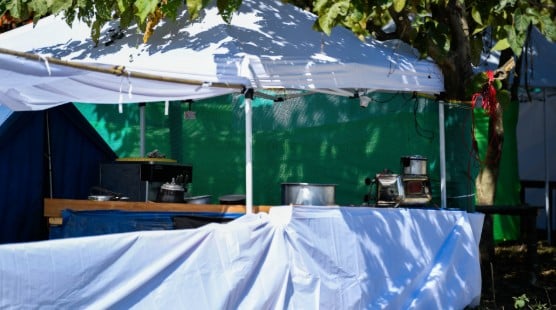
More than 150 food stalls were set up at 17 locations to serve visitors during the religious gathering. For some vendors, the event translated into earnings far beyond their usual daily income.
Phub Dorji, a food vendor from Trongsa, said he earned more than Nu 55,000 in a single day. Another vendor, Dil Maya from Sarpang, reported sales of between Nu 75,000 and Nu 85,000.
The economic benefits extended beyond Gelephu. Businesses along the highway in Tsirang also benefited from the increased movement of visitors. Renuka Tamang, a roadside vegetable seller, said her daily earnings rose from the usual Nu 700 to Nu 1,000 to around Nu 6,000 to Nu 7,000.
While the religious gathering created a temporary surge, the growing economic activity had already become evident during earlier rounds of voluntary works under GMC.
During the fifth round, which brought more than 16,000 volunteers to Gelephu, hotels, restaurants, grocery shops and vegetable markets experienced increased demand.
Naina Maya Tamang, a grocery shop owner, said her daily earnings, normally between Nu 12,000 and Nu 15,000, nearly doubled to Nu 30,000.
At Lama Residency, staff member Tika Devi Dhimal said all rooms were occupied by volunteers, with some group bookings turned away because of limited accommodation.
These experiences are providing local businesses with an early indication of the demand that a growing population of workers, visitors, investors and professionals could generate.
However, opportunities are extending beyond traditional businesses. GMC is opening avenues for new enterprises, particularly in tourism, hospitality, technology, finance and services.
Tourism has emerged as one of the priority sectors, with investment opportunities ranging from adventure parks and capsule hotels to water festivals and experience-based attractions. Proposed investments range from around USD 100,000 to more than USD 40 million, creating scope for both small entrepreneurs and large investors.
Managing Director of Tourism GMC, Rabsel Dorji, said the initiative was not intended exclusively for large or foreign investors, but also for Bhutanese entrepreneurs, small and medium enterprises and family businesses.
To encourage participation, GMC has introduced a Tourism Spark Fund worth around Nu 30 million, offering potential support through micro-grants, interest-free loans and equity participation. It has also partnered with DK Bank to explore financing options for tourism-related ventures.
The changing commercial landscape is already visible at ChoeGo Building, one of the early operational spaces within GMC. More than 15 companies are expected to establish their presence in the mixed-use development, which will accommodate offices, hospitality facilities, cafés and other commercial services.
Around 10 organisations have confirmed occupancy, including the Bhutan Trust Fund for Environmental Conservation, DK Bank, BIG, MQDC and Terrama.
The building is also expected to house ChoeGo Boutique, a 27-room premium hotel operated by BTCL Pte Ltd. As one of the first formal hospitality developments within GMC, the hotel is expected to strengthen accommodation services for visitors, investors and business travellers.
International interest is also gathering pace. On November 3, Aman Group, Patience Capital Group and GDL-Raven signed a memorandum of understanding to pursue a strategic partnership supporting GMC. The proposed collaboration seeks to attract long-term real estate investment and bring together international hospitality and investment expertise. Details remain subject to further discussions and approvals.
For Gelephu’s business community, GMC is therefore becoming more than a major infrastructure and investment project. It is creating a new economic ecosystem and expanding the town’s commercial possibilities.
The challenge now is for local businesses and entrepreneurs to prepare, adapt and position themselves to benefit from the opportunities ahead. As GMC gathers momentum, Gelephu’s economy could be entering a period of transformation, with the potential to create new markets, enterprises and livelihoods.
Sherab Dorji, Thimphu