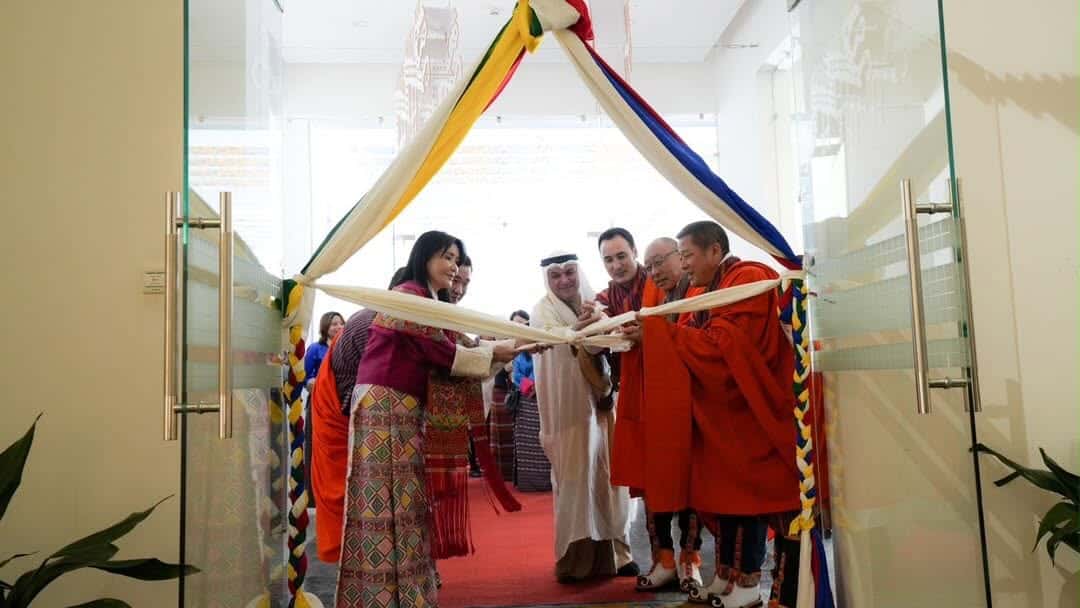


The Department of Surface Transport (DoST), under the Ministry of Infrastructure and Transport, has signed an agreement with Oriental Consultants Global Co. Ltd to undertake the first phase of the proposed Lhamoizingkha–Sarpang highway project.
Supported by the Asian Development Bank (ADB) through a Technical Assistance Grant and Project Readiness Financing Grant, the initiative will be funded through a combination of loans and grants. The construction cost is estimated at approximately USD 80 million.
Implementation will take place in two stages. The first stage involves a 15-month feasibility study costing around USD 1.5 million, followed by an 18-month detailed engineering design phase valued at around USD 2 million.
The 95-kilometre greenfield highway is a key component of the Southern East-West Highway (SEWH) and has been identified as a priority under the 13th Five Year Plan.
The lack of a direct east–west road in southern Bhutan has long posed challenges for logistics and mobility. At present, travel between eastern and western parts of southern Bhutan relies heavily on Indian road networks across the border. Approximately 70 percent of trade with India passes through the Phuentsholing border point, while other entry points such as Gelephu struggle with poor connectivity and limited infrastructure.
According to the Ministry, the new highway will serve as a two-lane primary national road and create a continuous east–west corridor across southern Bhutan, reducing dependence on foreign road infrastructure and improving domestic mobility. It is also expected to strengthen national and cross-border trade by providing direct access to commercial hubs and emerging markets.
In addition, the road will open new cross-border points, connect economically important rural areas, and improve access to growing tourist destinations.
Lhamoizingkha Drungpa, Jigme Singye, described the project as transformative for the entire southern belt, particularly for Nichula Gewog, which has remained isolated due to the absence of road connectivity. “Residents currently have to travel through India, which is extremely inconvenient, and in some cases they must use suspension bridges to cross rivers,” he said. He added that these challenges hamper development and create hardships during emergencies.
Nichula Gewog, located within the Phibsoo Wildlife Sanctuary, has approximately 163 households and 1,130 residents, many of whom have relocated to other dzongkhags due to road inaccessibility. “Once the road is completed, it will ease movement, strengthen administrative coordination, and improve access to education, healthcare and markets,” the Drungpa said.
A key feature of the project is its alignment through the Phibsoo Wildlife Sanctuary, a protected area rich in biodiversity. As most of the highway will pass through the sanctuary, the design will incorporate climate-resilient and wildlife-friendly features to ensure environmental sustainability.
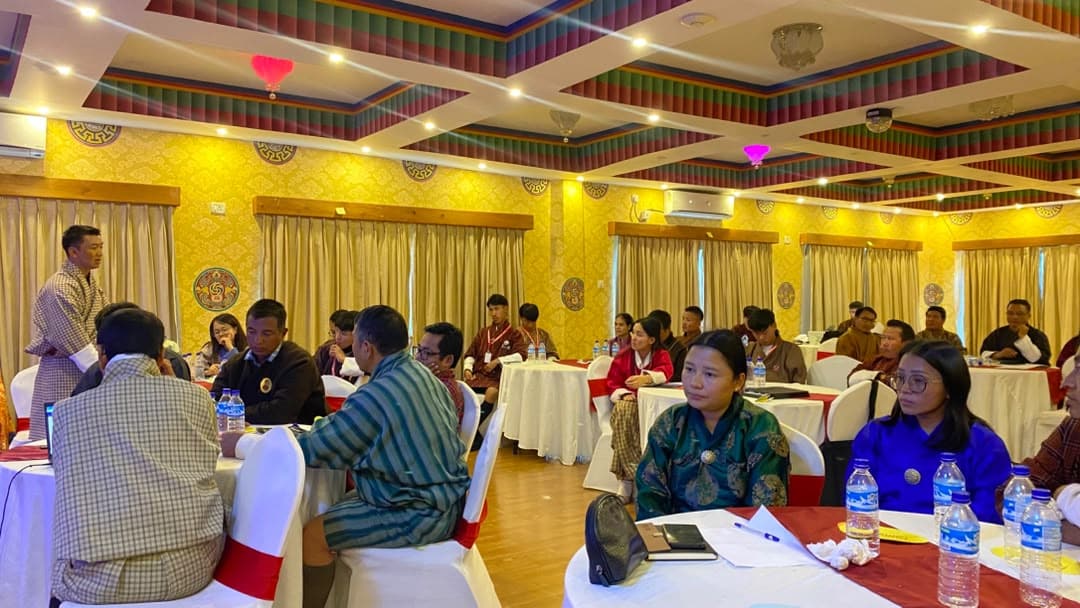
To oversee the project, the Department of Surface Transport has established a dedicated Project Management Unit (PMU) under its Design and Geotechnical Division. The unit will coordinate with the consulting firm, review technical outputs, and ensure compliance with environmental and financial safeguards. A working group comprising representatives from the Department of Forest and Park Services, Gelephu Mindfulness City, and the Department of Trade will facilitate inter-agency coordination and monitor project deliverables.
Construction is expected to begin in 2027, following the completion of the feasibility study and detailed design.
Nidup Lhamo from Thimphu