

Bhutan has proposed establishing a Regional Livestock Relief Fund (RLRF) for SAARC member countries to provide timely financial and technical assistance to livestock farmers affected by natural disasters, disease outbreaks and other emergencies.
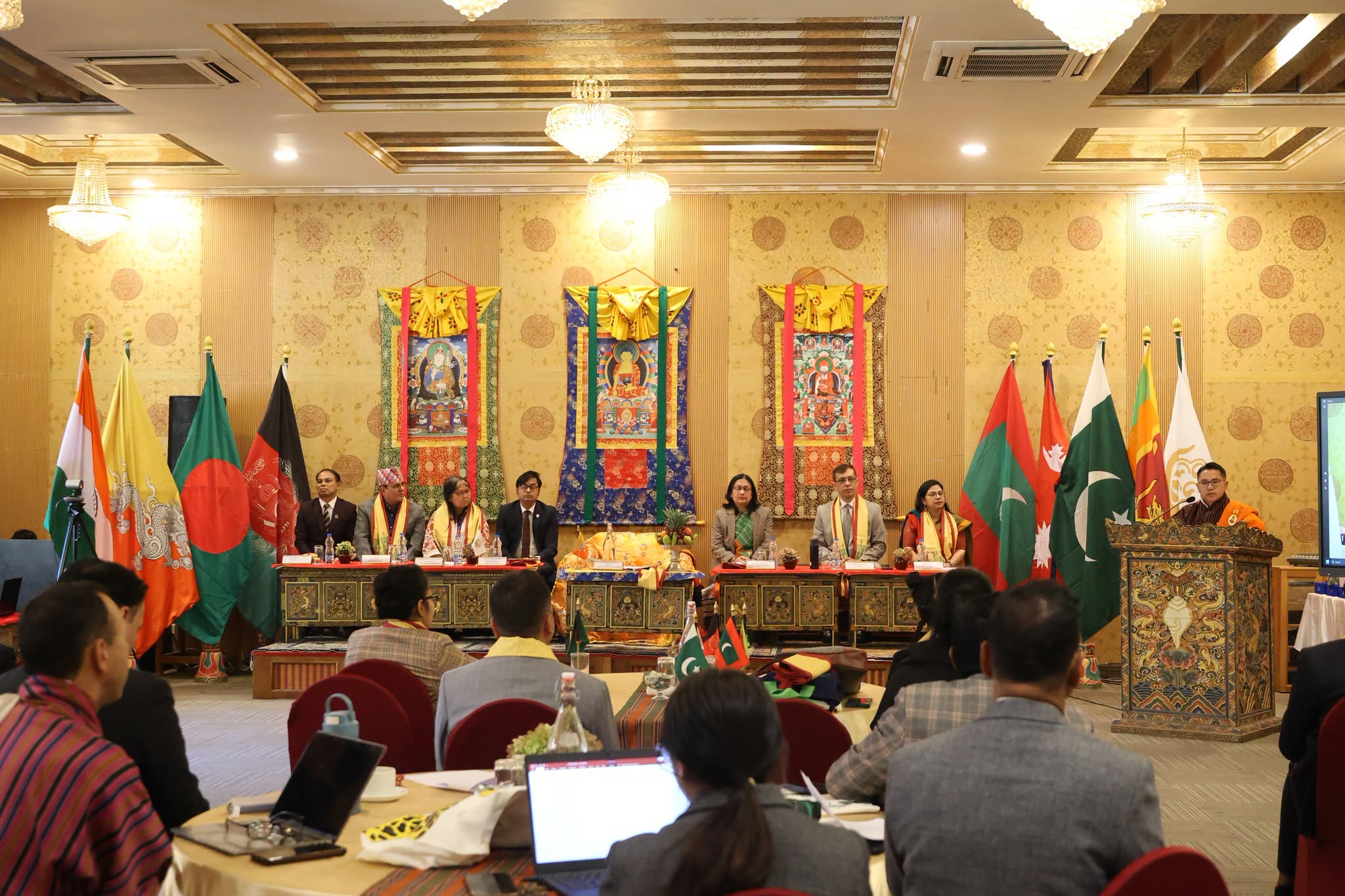
The proposal emerged from the three-day SAARC Regional Workshop on “Small Ruminant Value Chains for Food Security in South Asia”, hosted by Bhutan from November 18 to 20, 2026. The workshop brought together regional stakeholders to explore ways to strengthen livestock value chains, improve food security and build resilience among livestock-dependent communities. Recommended by the Department of Livestock under the Ministry of Agriculture and Livestock, the initiative draws lessons from recent floods in Nepal. The proposed fund would serve as a regional safety net, helping countries protect livestock, restore damaged farms and support vulnerable farmers.
Assistance could cover emergency feed, fodder and drinking water, veterinary medicines, vaccination, disease surveillance, animal rescue and temporary shelters. It could also support replacing lost livestock, rehabilitating damaged farm infrastructure and restoring smallholder enterprises.
Representatives from Bangladesh and Sri Lanka expressed support for the proposal, underscoring the need for stronger regional cooperation as climate-related disasters increasingly threaten livestock production.
South Asia faces recurring floods, cyclones, droughts, landslides, earthquakes and extreme temperatures. These hazards destroy livestock shelters, disrupt feed supplies and veterinary services, and cause substantial animal losses, undermining rural livelihoods. The risks differ across countries. Bangladesh faces floods, cyclones, tidal surges and salinity intrusion, while Bhutan is vulnerable to landslides, heavy rainfall and geographical isolation. Nepal faces earthquakes and floods; India and Pakistan experience droughts, heatwaves and floods. Sri Lanka and the Maldives are also exposed to extreme weather and disruptions to animal production and supply chains.
Regional cooperation is particularly important because transboundary animal diseases can spread across borders, threatening livestock populations, food security, trade and public health. The proposed fund aims to strengthen emergency response, disease preparedness and post-disaster recovery across the region.
Bangladesh supports the proposal, calls for an SDF funding window
Joint Secretary of Bangladesh’s Ministry of Fisheries and Livestock, Baby Rani Karmakar, has supported Bhutan’s proposed Regional Livestock Relief Fund in principle, saying it could benefit all SAARC member countries if designed around regional needs and vulnerabilities. She highlighted the importance of goats and sheep to smallholder farmers in Bangladesh, noting that losing even a few animals can cause significant economic hardship for poor rural households. She recommended prioritising smallholders, women livestock farmers, landless households and other vulnerable communities.
However, Karmakar cautioned against creating another regional financial institution when the SAARC Development Fund (SDF), established in 2010, already serves as the umbrella financing mechanism for regional development initiatives.
The SDF operates through Social, Economic and Infrastructure Windows, supporting areas including poverty alleviation, vulnerable communities and agriculture. Instead of establishing a separate institution, she proposed exploring a dedicated Livestock Emergency Response and Resilience Window within the existing SDF framework. This, she said, could reduce administrative costs, avoid duplication and make use of an established financing mechanism.
She also stressed that the proposed fund must have a clearly defined emergency mandate, focusing on timely assistance and early recovery rather than becoming a general livestock development programme. Long-term priorities such as breeding improvement and value-chain development could be pursued through complementary regional initiatives.
On financing, Karmakar called for an equitable contribution and benefit-sharing mechanism. Contributions should reflect the economic capacity of member states, while assistance should be based on assessed needs, the scale of emergencies and the vulnerability of affected communities. Smaller and climate-vulnerable countries should not be disadvantaged by their limited financial contributions.
“I would particularly recommend exploring the possibility of establishing a dedicated livestock emergency and resilience funding window under the existing SAARC Development Fund, in consultation with the SAARC Agricultural Centre and the relevant national livestock authorities,” she said. She recommended a detailed technical, financial and institutional feasibility study before any formal commitment to establish the mechanism.
Sri Lanka proposes administrative and governance structure
Supporting the initiative, Dr G. C. S. Kurugala, Additional Director General (Livestock Development), Ministry of Agriculture, Livestock, Land and Irrigation of Sri Lanka, described the proposal as a commendable SAARC initiative to protect vulnerable livestock farmers.
She recommended that every member country establish a National Livestock Disaster Preparedness and Relief Plan, identifying disaster-prone areas, assessing vulnerable farms and livestock populations, estimating potential losses and determining emergency funding requirements. She proposed that countries make annual contributions to the regional fund based on an agreed formula considering economic capacity, livestock population and disaster exposure.
At the regional level, a SAARC Governing Committee comprising member countries would oversee policies, contributions, eligibility and financial regulations. A technical committee of Chief Veterinary Officers, livestock experts and disaster management representatives would assess emergencies and recommend assistance. Each country would also appoint a National Focal Point to coordinate applications, verify damages, identify beneficiaries and monitor fund utilisation.
Following a disaster, affected countries would submit emergency requests supported by rapid damage assessments. Assistance could include grants, concessional recovery loans, emergency animal feed, veterinary services, replacement breeding animals and reconstruction of damaged farm infrastructure. To ensure transparency and accountability, she recommended independent financial audits, regular progress reporting and regional monitoring.
Proposed administrative structure
Dr. Kurugala outlined a six-tier administrative structure comprising a SAARC Governing Council, Regional Fund Management Board, Technical Assessment Committee, National Focal Points, National Disaster Teams and representatives of livestock farmers and farmer organisations. She stressed the need for a pre-agreed emergency disbursement mechanism to avoid lengthy approvals following disasters. Delays in providing animal feed, veterinary care and replacement livestock, she cautioned, could turn temporary farm damage into permanent livelihood losses. She further proposed that SAARC lead regional coordination and take responsibility for administering the fund.
Three-stage emergency response and recovery mechanism
The proposed fund could operate through three major stages to ensure assistance is delivered from the immediate emergency period through long-term recovery.
The first stage would focus on emergency response, providing immediate financial support for animal rescue, emergency feed, clean drinking water, veterinary medicines, vaccination, disease surveillance and temporary shelters.
The second stage would involve farm rehabilitation, including grants or concessional loans to rebuild damaged livestock sheds, restore infrastructure, replace equipment and re-establish feed supplies.
The third stage would focus on farm restocking and recovery, providing financial assistance to purchase suitable breeding animals, poultry and small ruminants, restore breeding programmes and restart milk, meat and egg production.
The mechanism could also support regional feed banks, emergency animal relief camps, sharing of disease-control resources and the adoption of climate-resilient livestock technologies. A key advantage would be enabling member countries to access emergency assistance without relying entirely on lengthy national budget approval processes or international donor support. Member countries could contribute annually according to an agreed formula, while additional resources could be mobilised through development partners and international organisations.
Protecting livelihoods and strengthening regional food security
The proposed Regional Livestock Relief Fund is expected to deliver significant economic, social and agricultural benefits across SAARC countries. It would provide rapid emergency financing, protect farmers’ livelihoods, accelerate farm rehabilitation and safeguard indigenous breeds and breeding resources.
The fund could also sustain milk, meat and egg production, strengthen disease surveillance, prevent food shortages and stabilise livestock markets. Timely assistance would particularly benefit smallholders, women and vulnerable rural households dependent on livestock for income and nutrition. By sharing disaster-related costs, it could ease government financial burdens, strengthen climate resilience and encourage regional cooperation and development partnerships with organisations such as FAO, WOAH, IFAD and the World Bank.
Towards a broader regional resilience framework
The proposal calls for SAARC to move beyond individual national responses towards coordinated regional action on livestock disaster preparedness and recovery.
A Regional Livestock Relief Fund, established independently or through an existing SAARC financing institution, could complement national disaster management systems while providing direct assistance to affected farmers. It could form the financial pillar of a broader SAARC Regional Livestock Emergency Preparedness and Resilience Framework, promoting common emergency procedures, disease preparedness, information sharing and technical cooperation. Its success would depend on predictable financing, transparent governance, equitable access and strong member-country commitments, translating regional solidarity into tangible protection for livestock farmers, rural livelihoods and food security.
Sangay Rabten, Thimphu