

Bhutan and Nepal have jointly called for a dedicated agenda on the impacts of 1.5°C global warming on mountain regions at the 31st Conference of the Parties (COP31) to the United Nations Framework Convention on Climate Change (UNFCCC), seeking stronger international recognition and action to protect vulnerable mountain ecosystems and communities.
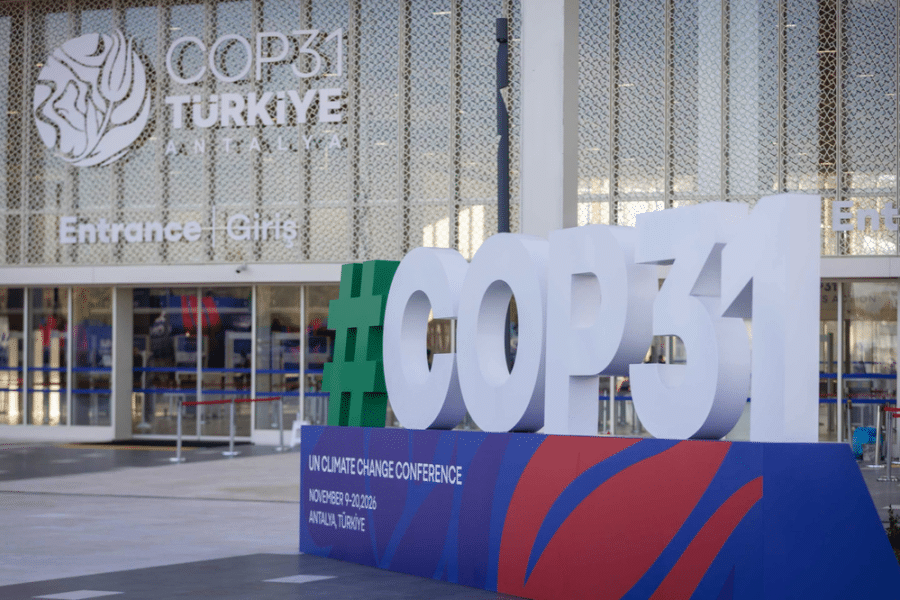
In a formal submission to the COP president, incoming COP president and executive secretary of the UNFCCC, the two Himalayan countries have proposed including an agenda item titled “1.5°C Warming in Mountains” in the supplementary provisional agenda of COP31, scheduled to be held in Antalya, Türkiye, from November 9 to 20, 2026.
The proposal, submitted in accordance with Rule 12 of the draft Rules of Procedure of the Conference of the Parties, highlights the accelerated pace of warming in mountain regions, particularly the Hindu Kush Himalaya (HKH), and warns of potentially irreversible consequences for glaciers, biodiversity, water security, food systems, energy production and the livelihoods of millions of people.
The two countries argue that mountain ecosystems, despite their critical importance to global environmental stability and human well-being, have not received adequate institutional recognition in international climate negotiations.
The joint submission warns that rising temperatures are accelerating the degradation of mountain ecosystems, increasing their exposure to extreme weather events and potentially pushing existing adaptation capacities beyond their limits.
The impacts are particularly concerning for the Hindu Kush Himalaya, where changes in the cryosphere could undermine the availability and reliability of freshwater resources. The countries also highlight the growing risks posed by climate-induced disasters, which threaten lives, livelihoods, critical infrastructure and economic activities.
“These impacts endanger the lives and livelihoods of mountain communities and carry far-reaching consequences for the water, food, energy and economic security of billions of people living downstream,” the submission states.
It further stresses that the increasing frequency and severity of climate-related disasters make enhanced adaptation, transboundary cooperation, coordinated disaster risk reduction and equitable access to climate finance increasingly urgent.
Bhutan and Nepal argue that addressing mountain climate vulnerabilities requires a coordinated regional and international response rather than isolated national interventions. They have called for stronger early warning systems, systematic sharing of scientific data and improved cooperation among countries sharing mountain river basins.
The proposal also emphasises that climate change losses extend beyond economic damage. The destruction of cultural heritage, disruption of traditional livelihoods, loss of indigenous knowledge and weakening of community structures are among the broader consequences facing vulnerable mountain populations.
The submission draws its legal and policy foundations from the preamble and Article 4.8 of the UNFCCC, which recognise the specific needs and circumstances of countries with fragile ecosystems, including mountain ecosystems.
It also refers to international commitments on sustainable mountain development, including Chapter 13 of Agenda 21, United Nations General Assembly Resolution A/RES/71/234 and the Sendai Framework for Disaster Risk Reduction 2015–2030.
The proposal is further informed by scientific assessments of the Intergovernmental Panel on Climate Change (IPCC), including its Special Report on the Ocean and Cryosphere in a Changing Climate and Sixth Assessment Report. These assessments underscore the urgency of limiting global warming to 1.5°C and avoiding temperature overshoot, which could intensify risks to glaciers, snow-dependent ecosystems and mountain communities.
The declaration of 2025 as the International Year of Glaciers’ Preservation and the International Decade of Action for Cryospheric Sciences (2025–2034) further reflects growing international recognition of the need to protect glaciers and mountain environments.
Under the proposed agenda, Bhutan and Nepal have identified four key areas for consideration by the international climate community.
These include advancing scientific understanding of the impacts of 1.5°C warming and potential temperature overshoot in mountain regions; institutionalising an annual High-Level Dialogue on Mountains and Climate Change within the UNFCCC process; initiating discussions towards establishing a dedicated UNFCCC Work Programme on Mountain Ecosystems; and integrating mountain-specific priorities into global adaptation frameworks, climate finance arrangements and loss and damage mechanisms.
A dedicated mountain agenda at COP31 could also provide a platform for strengthening solidarity between upstream and downstream countries, recognising their shared dependence on mountain ecosystems and water resources.
Bhutan and Nepal have expressed their readiness to engage constructively with all parties, the COP presidency and the UNFCCC secretariat to advance the proposal.
Tashi Namgyal, Thimphu