

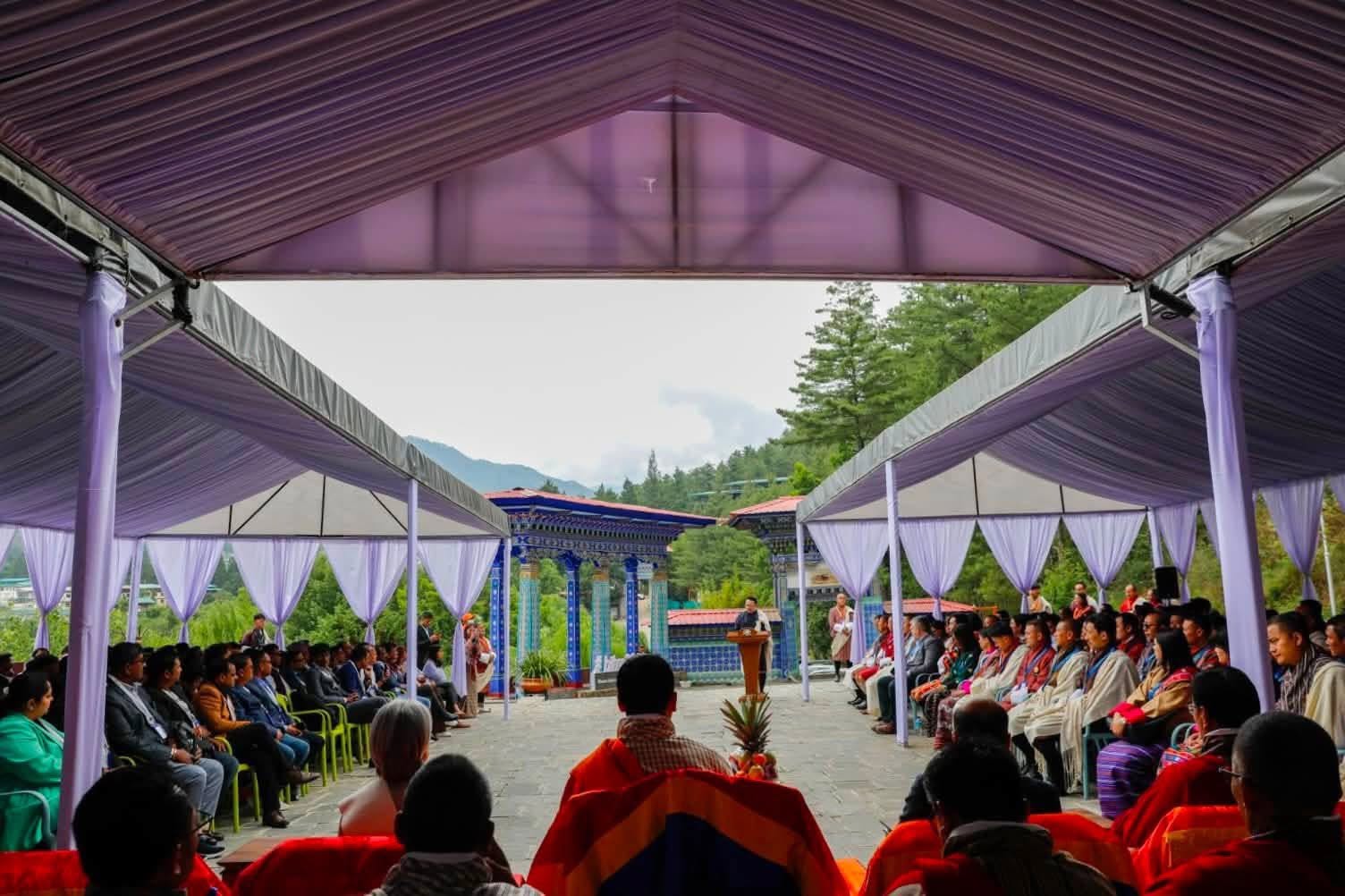
The launch of the first-ever Bhutan International Travel Mart (BITM) 2026 marks more than the addition of another event to Bhutan’s tourism calendar. It signals a strategic shift in how the country seeks to position itself in an increasingly competitive global tourism market, moving from relying primarily on destination marketing to actively building business partnerships that can drive long-term visitor growth.
At a time when countries across Asia are competing aggressively for tourists, BITM reflects Bhutan’s recognition that attracting visitors requires more than promoting scenic landscapes and cultural heritage. It requires sustained engagement with international tour operators, travel agents, airlines, hospitality companies, and investors who influence travel decisions in major source markets.
Speaking at the opening ceremony, Minister for Industry, Commerce and Employment Namgyal Dorji described the event as a landmark initiative designed to elevate Bhutan’s standing on the global tourism stage.
“By bringing influential international buyers to our doorstep, we are unlocking a new frontier of business that ensures the economic dividends of tourism are captured within our borders,” the Minister said.
His remarks point to a broader objective. Bhutan’s tourism policy has long emphasized “High Value, Low Volume” tourism, and more recently, regenerative tourism. However, translating these concepts into economic outcomes requires stronger market access and deeper international partnerships. BITM seeks to bridge that gap.
The participation of buyers from India, Nepal, Thailand, Singapore, China, the United Arab Emirates, Israel, Bangladesh, Germany, Japan, Canada, Russia, Spain, Slovakia, and Ukraine demonstrates the diversity of markets Bhutan is targeting. While India remains Bhutan’s largest tourism source market, accounting for nearly 60 percent of the 209,376 international arrivals recorded in 2025, the travel mart highlights efforts to diversify visitor sources and reduce dependence on a single market.
This diversification is particularly important in a tourism industry vulnerable to external shocks. Economic downturns, geopolitical tensions, public health crises, or changes in travel regulations in one major market can have significant consequences for visitor arrivals. Expanding Bhutan’s presence across multiple markets can help build greater resilience.
The event also reflects a growing recognition that tourism must generate broader economic benefits beyond visitor numbers. Department of Tourism Director Damcho Rinzin emphasized that BITM is intended to create opportunities for sustainable growth and ensure tourism benefits reach communities across the country.
This focus is significant because one of the long-standing challenges facing Bhutan’s tourism sector has been the concentration of tourism activity in a few well-established destinations. In this context, BITM provides a platform for lesser-visited dzongkhags to showcase their tourism potential directly to international buyers. Eleven dzongkhags, including all six eastern dzongkhags as well as Haa, Gasa, Zhemgang, Tsirang, and Dagana, were given the opportunity to present their attractions and investment opportunities.
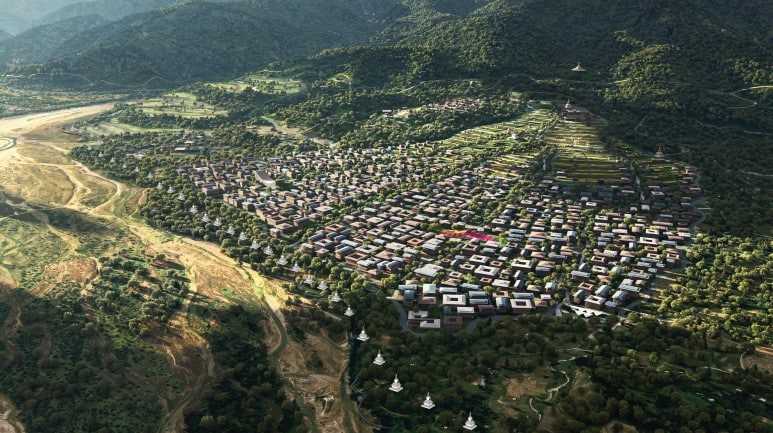
The event also highlighted emerging tourism products and national initiatives, including the Gelephu Mindfulness City (GMC), Wangduechhoeling Palace Museum, Dinchengang Regenerative Village, and the internationally acclaimed Snowman Race. These initiatives represent Bhutan’s attempt to expand its tourism offerings beyond traditional cultural sightseeing and trekking experiences.
For Bhutanese tourism businesses, the significance of BITM lies in its business-to-business focus. Unlike consumer-focused tourism fairs, travel marts are designed to facilitate commercial partnerships, contract negotiations, product development, and market expansion. For local tour operators, hotels, guides, and tourism service providers, direct engagement with international buyers can open access to markets that may otherwise be difficult to penetrate.
The strong Indian presence at the event further underscores the depth of tourism cooperation between Bhutan and India. More than 180 Indian hospitality industry entrepreneurs participated in BITM, while the inauguration of the Incredible India Pavilion highlighted the close tourism ties between the two countries.
However, the success of BITM should ultimately be measured by the business outcomes it generates. The key question is whether the meetings and networking sessions held during the event translate into increased tourist arrivals, longer visitor stays, higher spending, and greater opportunities for Bhutanese businesses and communities.
There is also the challenge of maintaining momentum. If BITM is to become an annual flagship event, Bhutan will need to ensure that each edition delivers tangible value for participants and remains relevant in a crowded international tourism marketplace.
As Bhutan seeks to expand tourism’s contribution to employment, foreign exchange earnings, and regional development, BITM may prove to be more than a trade event. It could become a key instrument in shaping the next phase of the country’s tourism growth, one built not only on attracting visitors, but on building lasting international partnerships that support sustainable and inclusive development.
Sherab Dorji, Thimphu