

The mortality from alcohol liver diseases remains the leading cause of death in the country
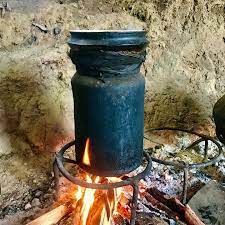
A significant portion of Bhutanese remains unaware of the health risks associated with consuming locally brewed alcohol like Ara, Bangchang, Singchang and Tongba, which may contain dangerously high levels of methanol and other toxic substances. Medical professionals emphasize that the presence of methanol, aflatoxin, and other toxic substances in these brews can contribute to rising cases of Alcoholic Liver Diseases (ALDs), a leading cause of death in the country.
Health risk linked to locally brew alcohols
Mongal Singh Gurung, a medical statistician at the Ministry of Health said the misconception that locally brewed alcohols are safer is persistent in the communities. “However, in reality we found that whether recorded or unrecorded, poses significant health risks with locally brewed alcohol containing higher content of methanol.”
He said that there are also harmful substances such as aflatoxin and bongkrekic acid present in these local brews. “A significant portion of Bhutanese suffers from ALDs, and alcohol remains the leading cause of death in the country. The risk of ALD is higher among those drinking methanol over those drinking pure ethanol.”
Deputy Chief Laboratory Officer and Toxicologist at the Department of Poison Information and Toxicology Laboratory, Royal Center for Disease Control (RCDC), Adeep Monger warned, “Consumption of even small amount of methanol (10ml) can result in acute toxicity, including damage of the optic nerve and causes instant blindness.”
He cautioned that the fermentation process naturally lead to methanol production, when ingredients rich in pectin such as fruits and grains are used. “Additionally, if the temperature of fermentation is not maintained properly it will eventually lead to production of even more harmful products.”
He shared that there is false impression that locally brewed alcohols are organic. “However, while testing 774 home brewed samples, we found that locally brewed alcohols have higher impurities which may be due to use of spoilt ingredients and contaminated yeast which could result in highly toxic chemicals causing liver cancer.”
He stated that the acids formed are highly toxic and theses toxins are heat-stable and cannot be removed by cooking. Additionally, he said that methanol is not the only concern. “Local brews may also contain other dangerous substances, including bongkrekic acid, aflatoxins, and cyanide, which can lead to severe health complications or even mass poisoning incidents.” The department is working to find other impurities in the home brewed alcohol.
Reports complement words
The National Health Survey (NHS) 2023 shows that home brewed alcohols contain 17.7% of methanol, which is higher in Bangchang with 31.8%, followed by tongba with 21.9%. Mongal said that 17.7% detection of methanol is a health concern and it needs to be regulated in the drinks.
The report shows that 30.7% of the households reported engaging in home brewed alcohols, with higher percentage in Trashigang (73.3%), followed by Lhuentse (62.5%) and Zhemgang (62.3%). The report also shows that 34.5% of the populations are identified as current drinker. Lhuentse district recorded the highest percentage of current drinkers at 50.6%, indicating that approximately one out of every two individuals in Lhuentse is presently consuming alcohol.
Ara/Singchang was the second most prevalent alcohol product consumed at 30.5%, topped only by Beer, accounting for 56%. According to the report, 13.6% of the population of the current drinkers, aged between 16-69 years indulges in heavy episode drinking. “Heavy episode drinking is associated with different types of illnesses including cardiovascular disorder, different forms of cancer, liver cirrhosis, and chronic pancreatitis.”
The data from Annual Health Bulletin (2024) shows that in 2023, the number of cases for ALDs has increased to 2,625 from 2,387 in 2022. The mortality from ALDs remains the leading cause of death in the country with 129 cases in 2023.
Public perception
A significant factor contributing to the public’s confidence in home-brewed alcohol is belief that it is made from natural, locally sourced ingredients. 48 year old Karma from Samdrup Jongkhar shared that they only use organic maize grain. “I believe it is healthier than other commercially produced alcohol products.”
Another farmer from Trashiyangtse, Tenzin Wangdra, expressed his surprise, saying, “I had no idea that locally brewed alcohol contained harmful substances which could result in various health risks.” He added that until now, he believed that local brews were a safer option for consumption.
The cultural acceptance of alcohol, lack of awareness regarding health risks about the safety of these alcoholic beverages are some of perception of local communities, amongst others. A significant portion of the population also say that their tastes were adapted to local brews since they first started drinking and that’s why they prefer local brews over factory made.
By Nidup Lhamo, from Thimphu